Protecting Your Vote: A Comprehensive Guide to Addressing Election Issues
Learn how to identify, document, and report voting rights violations and election problems effectively.
Understanding Your Electoral Rights and Responsibilities
Every citizen’s participation in the electoral process depends on the assurance that their voting experience will be fair, accessible, and free from interference. However, obstacles to voting exist in various forms, ranging from subtle voter suppression tactics to outright intimidation at polling places. When voters encounter problems or witness irregularities, knowing how to report these issues becomes critically important for maintaining the integrity of democratic processes. This comprehensive guide explores the mechanisms available to citizens who need to address voting-related concerns, whether they involve personal discrimination, accessibility barriers, voting machine malfunctions, or other electoral complications.
Categories of Voting-Related Problems You Can Report
Voting issues span a wide range of circumstances that can impede a person’s ability to exercise their fundamental right to vote. Understanding what qualifies as reportable is the first step toward taking appropriate action when problems arise.
Discrimination and Civil Rights Violations
Discrimination based on protected characteristics constitutes a serious violation of voting rights. These violations occur when individuals face treatment or barriers related to race, color, ethnicity, national origin, or membership in a language minority group. When voters are questioned about their eligibility based on these characteristics, denied assistance, or treated differently from other voters, these actions may constitute discrimination. Language accessibility issues represent another form of civil rights violation, particularly affecting voters whose primary language is not English and who are entitled to voting materials and assistance in their native language.
Voter Suppression Tactics
Voter suppression encompasses actions designed to discourage participation or prevent eligible voters from casting ballots. Common examples include abrupt changes to polling locations announced with insufficient notice, improper voter roll purges that remove eligible voters from registration records, extraordinarily long wait times at certain polling places that discourage voters from participating, malfunctioning voting equipment that prevents accurate ballot casting, and aggressive challenges to voter eligibility without proper legal basis. These tactics disproportionately affect specific communities and undermine the democratic principle of universal participation.
Voter Intimidation
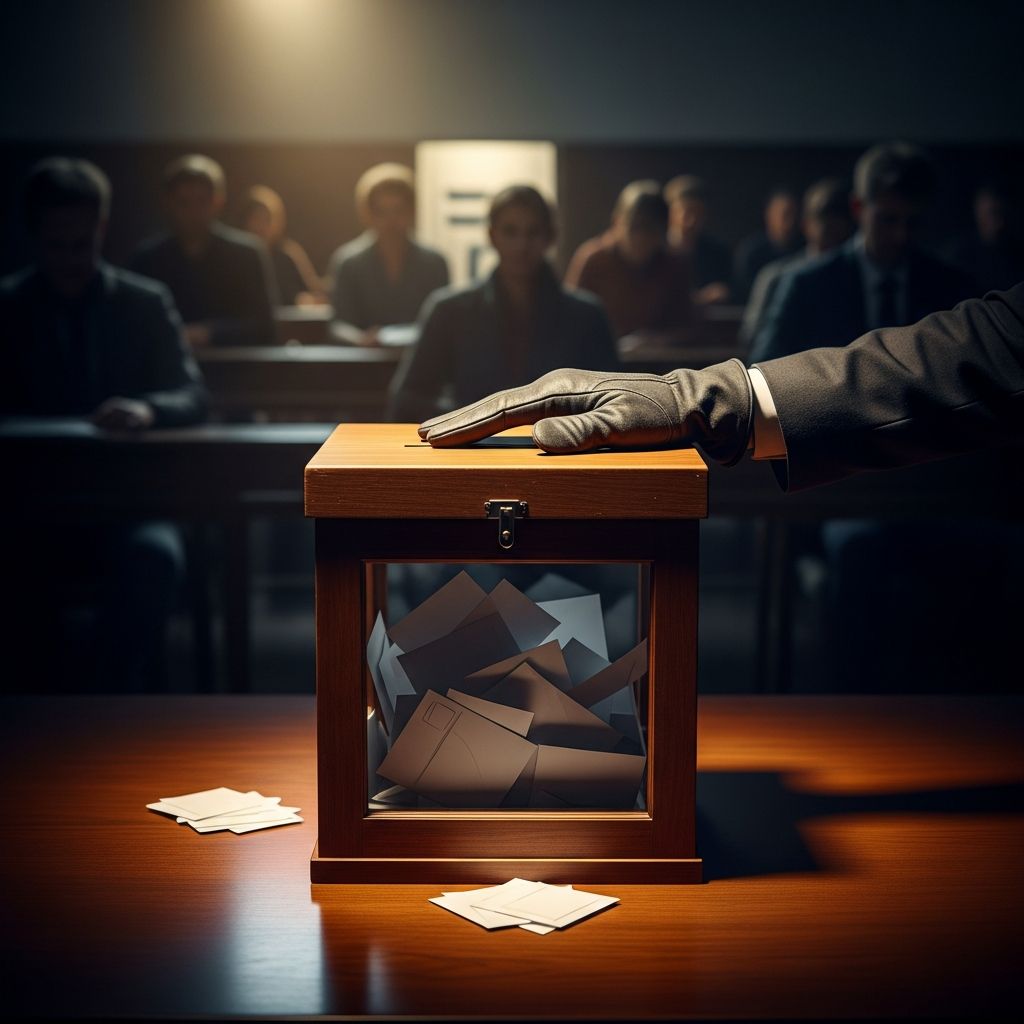
Intimidation at polling places or surrounding areas aimed at discouraging people from voting or influencing their voting choices is strictly prohibited under federal law. This includes threatening language, physical intimidation, unwarranted challenges to voter credentials, or posting armed individuals in ways that create hostile environments. Intimidation can also occur through misinformation campaigns that deliberately spread false information about voting procedures, eligibility requirements, or polling locations to confuse voters.
Accessibility and Accommodation Issues
Voters with disabilities have the right to accessible voting facilities and appropriate accommodations. Problems in this category include polling places with physical barriers preventing wheelchair access, lack of voting machines designed for voters with visual impairments, insufficient assistance for voters with cognitive disabilities, missing or broken accessible parking spaces near polling locations, and failure to provide materials in alternative formats such as Braille or large print.
Registration and Absentee Voting Problems
Challenges related to voter registration and absentee voting processes represent another category of reportable issues. These include registration applications that are mishandled or improperly processed, incorrect information in voter registration records, problems accessing absentee ballots, and issues specific to uniformed services members and overseas voters who rely on mail-in voting systems.
Federal Reporting Channels for Voting Rights Violations
The federal government has established multiple pathways for citizens to report voting-related problems, recognizing that different situations may warrant different agencies’ involvement.
Department of Justice Civil Rights Division
The U.S. Department of Justice’s Civil Rights Division maintains a dedicated Voting Section responsible for enforcing federal voting rights laws. Citizens experiencing or witnessing voting rights violations, voter intimidation, or suppression can report directly to this division through multiple methods. The phone hotline at 1-800-253-3931 provides direct access to DOJ staff who can receive complaint information and guide individuals toward appropriate next steps. Additionally, the online reporting portal at civilrights.justice.gov/report allows detailed submission of complaints, which is particularly useful for documenting complex situations or those that do not require immediate emergency response. This channel is most appropriate for civil rights matters involving discrimination or systemic issues affecting voting access.
Federal Bureau of Investigation
When voting violations involve criminal conduct, particularly violence, threats, or organized intimidation schemes, the FBI becomes the appropriate reporting agency. Local FBI offices maintain election crime task forces and can investigate matters involving federal election crimes. Reporting to the FBI is particularly important when physical safety is at risk or when criminal conspiracy appears involved in suppression efforts.
U.S. Attorney’s Office
Each federal judicial district maintains a U.S. Attorney’s Office with personnel dedicated to prosecuting federal crimes, including election violations. Local U.S. attorneys can handle criminal referrals involving voter fraud, election intimidation, or other federal crimes affecting voting. The Public Integrity Section of the DOJ’s Criminal Division also accepts reports of criminal election-related violations and coordinates prosecutorial efforts across districts.
Emergency Response: Calling 911
When immediate physical safety is threatened at a polling place, such as when violence or credible threats of violence are occurring, calling 911 takes absolute priority. Local police must respond to emergency situations at polling locations, and after local law enforcement has addressed the immediate threat, complainants should then contact the Department of Justice with complete details of the incident.
State and Local Reporting Mechanisms
State and local election offices often provide the first and most direct avenue for addressing voting problems, particularly those involving administrative issues or local concerns.
State Election Officials
Each state maintains election offices responsible for administering voting processes and addressing voter concerns. State election hotlines provide immediate assistance to voters with questions about registration, polling locations, voting procedures, and problems encountered at the polls. These hotlines typically connect callers with trained staff or volunteers who can provide guidance and initiate complaint processes. State election offices can address registration errors, assist with provisional ballot procedures when voters’ names do not appear in poll books, and investigate polling place problems within their jurisdiction.
County Election Boards and Superintendents
County-level election administrators manage the day-to-day operations of elections, including poll worker training, voting equipment maintenance, and local voter services. Reporting problems to county election boards ensures that local officials become aware of issues affecting their jurisdiction and can implement corrections for future elections or address problems during ongoing voting periods. County superintendents of elections often have direct authority to investigate complaints and can verify claims about polling place conditions or staff conduct.
Local Law Enforcement
For non-emergency voting-related crimes or problems not requiring immediate 911 response, contacting local police departments can establish an official report. While local law enforcement may refer certain matters to federal authorities, filing a local report creates an official record and may assist in coordinated investigations involving both state and federal agencies.
Specialized Reporting Organizations
Beyond government agencies, certain organizations have established mechanisms specifically designed to receive and respond to voting rights complaints.
Election Protection Hotlines
The nonpartisan Election Protection coalition operates the 866-OUR-VOTE hotline (866-687-8683), staffed by trained volunteers who answer voter questions and receive reports of voting problems. This service is particularly helpful during early voting periods and on Election Day when immediate assistance is needed. Callers can describe problems, receive guidance on their rights, and initiate formal complaints that may be forwarded to appropriate authorities.
Civil Rights Organizations
Organizations dedicated to voting rights protection, including the NAACP Legal Defense Fund, maintain reporting mechanisms for documenting voter suppression incidents. These organizations track patterns of suppression, analyze data to identify systemic issues, and use compiled information to support legal challenges and advocacy efforts. Reporting through these channels contributes to broader documentation of voting rights problems and may result in organizational intervention or support.
State-Specific Resources: Examples From Major States
New York State
New York voters can access the Election Protection Hotline at (866) 390-2992 or submit complaints through an online complaint form at electionhotline.ag.ny.gov. The New York Attorney General’s Office staffs the hotline with volunteers during early voting from 9am to 6pm and on Election Day from 6am to 9pm. The online form allows voters to describe incidents, specify the type of problem encountered, provide details about locations and individuals involved, and receive a confirmation code for tracking their complaint’s status.
New Jersey
New Jersey residents can contact the State Voter Information and Assistance line at 1-877-NJ-VOTER (1-877-658-6837) to report voting problems and receive assistance. For discrimination or harassment complaints, voters can file through the New Jersey Division on Civil Rights via the NJBIAS online portal at bias.njcivilrights.gov or by calling 1-833-NJDCR4U (1-833-653-2748). New Jersey also maintains a Voter Report Form specifically for documenting polling place accessibility concerns, allowing residents to electronically submit descriptions of difficulties experienced while voting.
Documentation Best Practices When Reporting Voting Issues
Effective reporting requires accurate and detailed documentation. When preparing to report a voting problem, gather and organize information systematically. Record the date and specific time of the incident, the polling location’s name and complete address, names and descriptions of any individuals involved (poll workers, observers, other voters), detailed description of exactly what occurred, names and contact information of any witnesses, photographs or video evidence if safely obtained, and any written materials distributed or posted at the location. When reporting online, provide as much detail as possible, as this assists investigators in understanding the situation. For phone reports, remain calm and organized, speaking clearly while providing information in chronological order.
Understanding the Investigation and Response Process
After submitting a report, understanding what happens next helps set realistic expectations. Government agencies prioritize complaints involving immediate safety threats and ongoing interference with voting. Initial reports are reviewed to determine which agency has appropriate jurisdiction, and the complaint may be forwarded to multiple agencies for coordinated investigation. Civil rights complaints typically proceed through investigation phases where officials may contact witnesses, examine voting records, and assess whether violations occurred. Criminal complaints involving fraud or intimidation enter prosecutorial channels where evidence is evaluated against criminal statutes. Response timelines vary significantly; emergency situations receive immediate attention, while other matters may take weeks or months to investigate fully. Complainants are often notified of outcomes, though confidentiality and investigative needs may limit information sharing.
Frequently Asked Questions
What should I do if I cannot vote because my name is missing from the polling place roster?
If your name does not appear in the poll book despite believing you are registered, you have the right to an affidavit ballot (also called a provisional ballot). Request this ballot from poll workers, complete it according to their instructions, and your vote will be counted if election officials verify your eligibility after Election Day. Additionally, report the registration issue to your state election office to prevent future problems.
Is reporting voter fraud different from reporting voting rights violations?
Yes. Voter fraud—when someone votes illegally or attempts to vote multiple times—is reported to state election offices, local U.S. attorney offices, or the FBI. Voting rights violations involve interference with eligible voters’ rights and are typically reported to the Department of Justice Civil Rights Division or state civil rights agencies.
Can I report a problem anonymously?
Many reporting channels accept anonymous complaints, though providing contact information helps agencies follow up if additional details are needed. Online reporting forms often allow for anonymous submission, while phone hotlines may request identification for verification purposes.
What constitutes voter intimidation?
Voter intimidation includes threatening language, physical intimidation, aggressive interrogation of voters, armed presence intended to discourage voting, and misinformation campaigns deliberately designed to confuse voters about procedures or eligibility. If you witness or experience intimidation, report it immediately to poll workers, call 911 if physical safety is threatened, and file formal complaints with election authorities.
How long does it take for complaints to be investigated?
Investigation timelines vary significantly. Emergency situations involving violence or ongoing interference receive immediate attention. Civil rights violations may take weeks or months to investigate fully, while criminal investigations can extend considerably longer. Complex matters involving multiple jurisdictions may take the longest to resolve.
Will my report result in criminal charges?
Not all reports result in criminal charges. Reports are evaluated to determine whether sufficient evidence exists of criminal conduct and whether violations occurred. Civil rights violations may be addressed through administrative remedies or civil litigation rather than criminal prosecution.
References
- Voter fraud, voter suppression, and other election crimes — USAGov. 2026. https://www.usa.gov/voter-fraud
- Voting resources – Civil Rights Division — U.S. Department of Justice. 2026. https://civilrights.justice.gov/voting-resources
- Election Protection – New Jersey Office of Attorney General — State of New Jersey. 2026. https://www.njoag.gov/resources/electionprotection/
- Election Hotline Guide — New York State Attorney General. 2026. https://ag.ny.gov/election-hotline-guide
- Election Protection: Homepage — 866 Our Vote. 2026. https://866ourvote.org
- Division of Elections – Voter Rights and Accessibility Information — State of New Jersey. 2026. https://www.nj.gov/state/elections/voter-rights.shtml
Similar Articles





Read full bio of Sneha Tete