Automatic Student Loan Payments: Benefits and Risks
Explore the advantages and disadvantages of setting up automatic payments for your student loans.
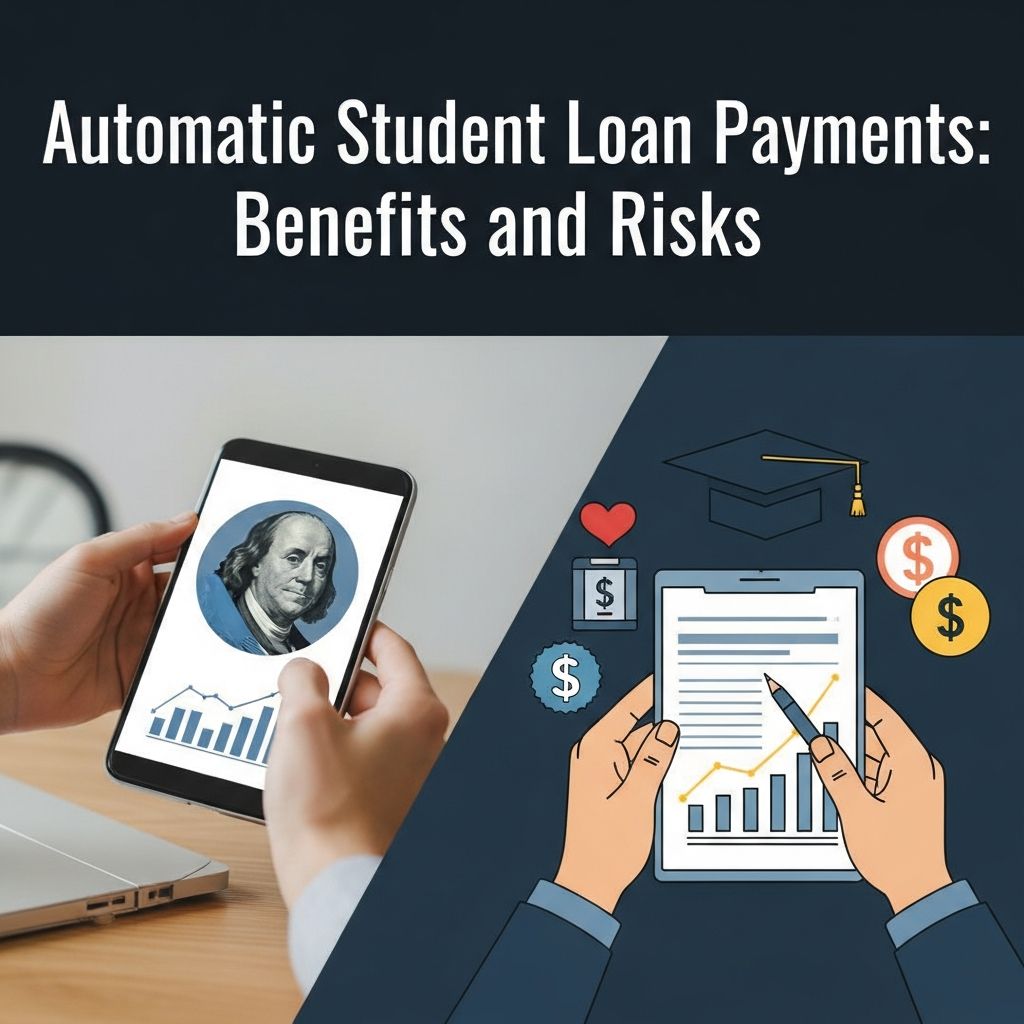
Managing student loan repayment can feel overwhelming for recent graduates juggling multiple financial obligations. One increasingly popular strategy is enrolling in automatic payment programs, where funds are withdrawn directly from a bank account each month. While this approach offers genuine advantages, it also introduces specific challenges that borrowers must carefully evaluate before committing to this long-term arrangement.
Understanding Automated Loan Repayment Systems
Automatic payment enrollment involves authorizing your loan servicer to withdraw monthly installments directly from your designated bank account. This arrangement eliminates the need to manually initiate transfers or mail payments, creating a streamlined repayment process. Federal student loans through programs like FAFSA and CSS, as well as private student loans, typically offer this functionality. The mechanics are straightforward: you complete enrollment forms, specify your preferred payment date, and the system handles the rest until you choose to discontinue the arrangement.
Understanding the full scope of automatic payments—both their conveniences and complications—is essential before making this decision. Many borrowers make hasty choices without recognizing the long-term implications, only to face unexpected problems months later.
Primary Advantages of Setting Up Automatic Withdrawals
Guaranteed Payment Timeliness
The most obvious benefit of automatic payments is reliability. When you enroll in this system, your monthly installments are guaranteed to process on schedule, eliminating the risk of late payments caused by simple forgetfulness. For individuals who struggle with payment organization or frequently miss financial deadlines, this automatic mechanism provides peace of mind. Your loan servicer will deduct funds on the agreed-upon date, regardless of whether you remember to initiate the payment yourself.
This reliability is particularly valuable because late payments can damage your credit score and trigger penalty fees. Federal student loans can charge late fees up to 6% of your monthly payment amount, while private lenders may impose additional penalties. By removing the human element from the payment process, automatic withdrawal significantly reduces these risks.
Interest Rate Reduction Incentives
Federal loan servicers offer a tangible financial incentive for automatic payment enrollment. Borrowers who set up auto-debit typically receive a 0.25% reduction in their interest rate. While this percentage may initially seem negligible, the compound savings over a multi-year repayment period are substantial. For borrowers carrying the average federal undergraduate loan balance of approximately $28,000 at a typical interest rate of 6.8%, this quarter-percentage reduction translates to savings exceeding $100 throughout the loan’s life.
For newer borrowers or those with larger loan balances, the savings become even more pronounced. Over a standard 10-year repayment timeline, even this modest rate reduction accumulates to meaningful financial relief during a period when recent graduates are establishing their careers and building financial stability.
Enhanced Payment Flexibility for Strategic Repayment
A frequently overlooked advantage of automatic payment systems is the ability to exceed your monthly minimum obligation. Many borrowers experience unexpected windfalls—annual bonuses, tax refunds, or inheritance gifts—that they wish to direct toward debt elimination. Automatic payment accounts typically permit additional principal payments without penalty. This flexibility allows strategic borrowers to accelerate their debt repayment timeline and reduce overall interest costs without formally modifying their loan agreement.
Time and Stress Reduction
The administrative burden of manual loan repayment extends beyond the few minutes required to process a payment. Borrowers must remember payment dates, track due notices, and verify that payments have posted correctly. Automatic enrollment eliminates this ongoing mental burden, freeing cognitive resources for other financial priorities or personal concerns. For individuals managing multiple loan accounts, this time savings accumulates significantly.
Key Disadvantages and Risk Factors
Overdraft and Insufficient Funds Vulnerability
The most commonly reported problem with automatic student loan payments is overdrafting. When a loan servicer withdraws funds but insufficient balance exists in your bank account, overdraft fees typically apply. These fees can range from $25 to $35 per incident, or potentially higher depending on your financial institution. Ironically, overdraft fees often exceed the interest savings gained from auto-debit enrollment, completely negating the financial benefit.
This risk requires ongoing vigilance. You must actively monitor your bank balance to ensure adequate funds exist on each payment date, essentially maintaining a modified form of manual oversight despite selecting an automated system. Unexpected expenses, paycheck delays, or timing misalignments between income deposits and payment withdrawals can easily trigger overdraft situations.
Servicer Processing Errors and Billing Problems
Recent surveys reveal disturbing patterns in how loan servicers handle automatic payments. Many borrowers report that servicers debit incorrect payment amounts, often higher than what is actually owed. One borrower described a situation where their servicer increased their monthly payment amount without authorization following account reactivation. These errors create cascading financial problems and frustration with the repayment process.
Additionally, some servicers mishandle income-driven repayment plan changes while maintaining automatic withdrawal at previous payment rates. When borrowers transition between repayment strategies, the automatic system may not update properly, resulting in overpayment or underpayment situations. Resolving these errors can consume weeks or months, with refunds taking 6-8 weeks to process.
Late Payment Reporting Despite Automated Processing
A particularly problematic issue involves servicers reporting payments as late even when they have been successfully auto-debited. This creates a scenario where a borrower’s credit report reflects a late payment status despite their account being current. Late payment information can damage credit scores and trigger additional fees, directly contradicting the primary benefit of automatic enrollment. Resolving these credit reporting errors requires contacting the servicer and potentially submitting dispute documentation, adding stress rather than eliminating it.
Limited Flexibility in Payment Timing
While automatic systems permit additional payments above the minimum, they provide minimal flexibility regarding the regular monthly withdrawal date. Borrowers often need to adjust payment dates for cash flow management, but modifying these dates through servicer systems can be time-consuming. A borrower requiring a payment date change to align with their actual income receipt date may face delays in processing the request, creating temporary cash flow complications.
Commitment and Reversal Challenges
Enrolling in automatic payments represents a significant commitment that is difficult to reverse quickly. The process of unenrolling from automatic withdrawal can involve multiple steps and extended processing periods. Some borrowers report being unenrolled without their authorization, then threatened with late payment penalties despite having maintained automatic enrollment. These enforcement inconsistencies create uncertainty about whether your account is actually enrolled in the automatic system.
Lack of Enrollment Verification Systems
Several borrowers have reported that the automatic payment system is slow to update and provides limited confirmation that payments have actually processed by their due date. This uncertainty undermines the primary appeal of automation—the assurance that payments are being made reliably. Without immediate confirmation, borrowers must independently verify payment posting, essentially recreating the oversight they sought to eliminate.
Evaluating Your Personal Circumstances
| Factor to Consider | Favorable for Auto-Debit | Unfavorable for Auto-Debit |
|---|---|---|
| Payment Organization | History of missed payments or forgotten deadlines | Consistently timely manual payments |
| Bank Account Balance Stability | Consistently maintains adequate balance | Fluctuating balance or frequent overdraft concerns |
| Income Timing Alignment | Income deposits match payment dates | Irregular income or misaligned deposit/payment dates |
| Financial Monitoring Habits | Actively tracks account activity | Infrequent account monitoring |
| Repayment Plan Stability | Expects to maintain same repayment plan | Likely to change plans or adjust payment amounts |
Best Practices for Automatic Payment Management
Maintain Active Bank Account Monitoring
Despite the “automatic” designation, successful enrollment requires consistent oversight. Set calendar reminders several days before your payment date to verify adequate funds exist. Track your spending patterns to avoid surprise overdrafts. Consider setting up a buffer balance in your account—an amount you never allow the balance to fall below—specifically to protect against payment timing complications.
Verify Enrollment Status Regularly
Periodically confirm that your account remains enrolled in automatic payments. Log into your servicer’s portal monthly to verify enrollment status and review the previous month’s payment posting. Do not assume enrollment status persists; proactively check rather than discovering problems through credit reporting errors.
Document Everything
Maintain records of your enrollment confirmation, payment schedule documentation, and monthly payment verification screenshots. If billing disputes arise, this documentation provides evidence of your actions and the servicer’s obligations. Keep contact logs if you need to address errors or discuss payment adjustments.
Review Statement Details Carefully
Examine your monthly statements to confirm that the correct payment amount has been withdrawn and properly credited. Watch for unexpected amount changes that indicate servicer errors. If amounts differ from your expectations, contact your servicer immediately rather than assuming a processing delay.
Frequently Asked Questions
Can I request payment amounts higher than my monthly minimum?
Yes, most servicers permit enrolling in automatic withdrawal of amounts exceeding your required monthly payment. This strategy accelerates principal reduction and minimizes total interest costs.
What happens if my account doesn’t have sufficient funds on the payment date?
Your bank will likely charge overdraft fees, and your servicer may report the payment as late or unsuccessful. Contact your servicer immediately if this occurs to prevent credit damage and fee accumulation.
How long does it take to unenroll from automatic payments?
Unenrollment timelines vary by servicer but can require several business days to process. Some borrowers report that requests are delayed or not properly executed, so confirm unenrollment status actively.
Will the 0.25% interest reduction apply immediately?
The interest rate reduction typically applies after enrollment is fully processed, which can take several billing cycles. Verify that the reduction appears on your account statements.
Making Your Decision
Automatic student loan payments represent a legitimate tool for borrowers seeking reliable repayment management and modest interest savings. However, they demand genuine commitment and ongoing attention. Before enrolling, honestly assess your financial habits, account management capabilities, and income stability. The convenience and interest reduction benefits only materialize when accompanied by diligent monitoring and careful account management. For borrowers with unstable finances, irregular income, or limited banking oversight capabilities, traditional manual payments may prove less stressful despite requiring more active involvement. Ultimately, the best repayment approach matches your personal financial circumstances, not merely the option offering the smallest percentage reduction.
References
- Pros and Cons of Auto-Debiting Loans — College Raptor. 2024. https://www.collegeraptor.com/paying-for-college/articles/student-loans/pros-and-cons-of-auto-debiting-loans/
- Student Loans with Automatic Payments: Helpful or Harmful? — Student Loan Planner. January 2024. https://www.studentloanplanner.com/student-loan-automatic-debit-payment/
- How Much Student Loan Autopay Could Save You — ELFI. 2024. https://www.elfi.com/reasons-to-set-up-student-loan-autopay/
- FAQ – Auto Debit — Nelnet Federal Student Aid. U.S. Department of Education. https://nelnet.studentaid.gov/content/faq/faqautodebit
- What is Autopay? Benefits, Drawbacks, & How it Works — Canvas. 2024. https://www.canvas.org/blog/post/benefits-drawbacks-of-autopay
- Pros & Cons of Student Loan Autopay — Paidly. 2024. https://meetpaidly.com/blog/autopay-student-loans
Similar Articles






Read full bio of medha deb