Bad Credit And Federal Student Aid: 2 Ways To Get PLUS Loans
Discover how poor credit history impacts federal student loans and explore practical strategies to secure funding despite financial setbacks.
Bad Credit and Federal Student Aid
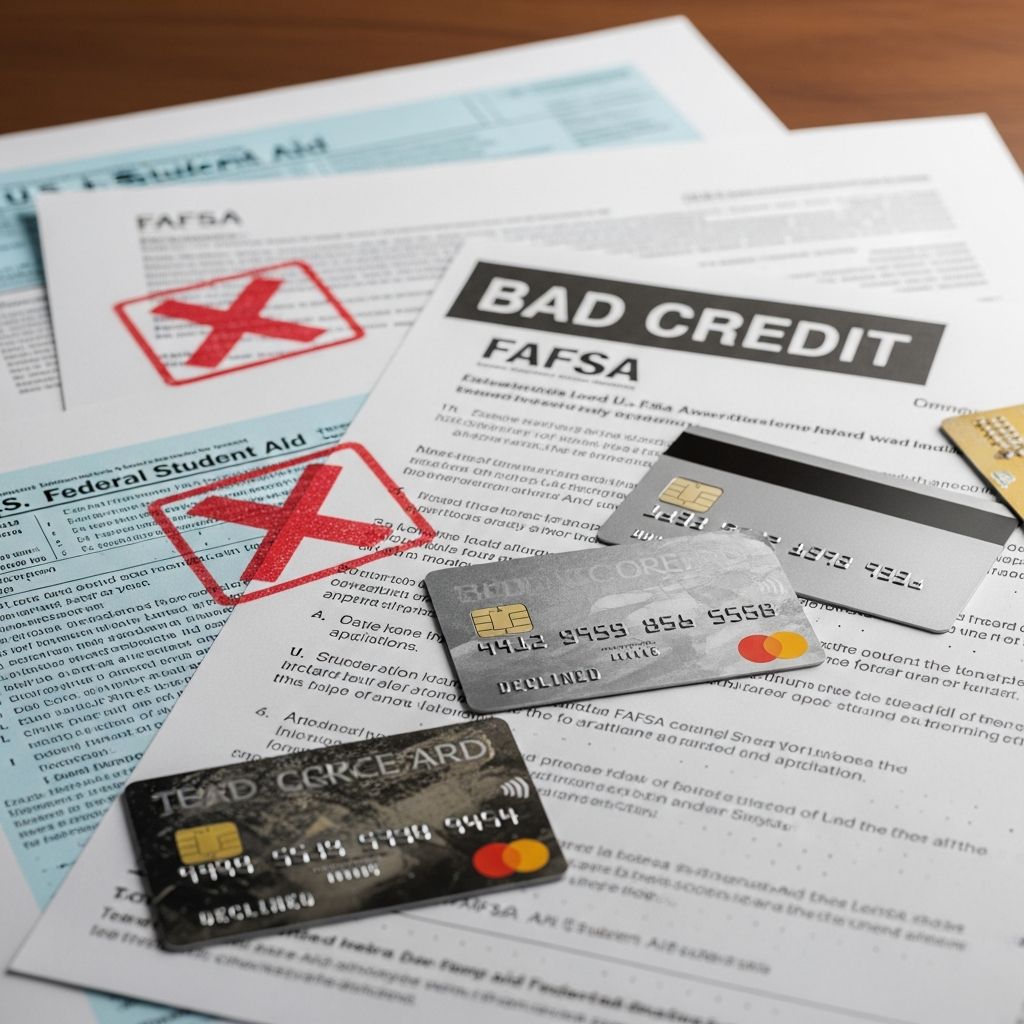
Federal student loans offer vital support for higher education, but a poor credit record can create barriers, especially for certain loan types. While most federal options bypass credit evaluations, Parent PLUS and Graduate PLUS loans demand a clean credit slate, potentially halting access without alternatives.
Understanding Credit Evaluations in Federal Aid
The U.S. Department of Education skips credit checks for Direct Subsidized and Unsubsidized loans, prioritizing need and enrollment over financial pasts. This opens doors for undergraduates regardless of credit woes.
In contrast, PLUS loans for parents or graduate students trigger a specific review. Lenders scan for ‘adverse credit history,’ a term denoting serious financial missteps that signal repayment risks. This check differs from private lending; it ignores scores and focuses solely on red flags.
- No score threshold: Approval hinges on absence of derogatory marks, not numerical ratings.
- Targeted borrowers: Parents funding dependents or grad students covering advanced degrees.
- Loan perks: Covers full cost of attendance minus other aid, with fixed rates.
Defining Adverse Credit for PLUS Eligibility
Adverse credit encompasses recent failures in debt management. The Department flags issues within defined timeframes, ensuring decisions reflect current stability.
| Category | Examples | Timeframe |
|---|---|---|
| Delinquency/Collection | 90+ days past due on debts ≥$2,085; charged-off accounts | Recent (2 years for some) |
| Major Events | Bankruptcy discharge, foreclosure, repossession, wage garnishment, tax lien, default | 5 years |
| Other | Federal student aid write-off, voluntary surrender | 5 years |
These criteria stem from official guidelines, applied uniformly during applications. Borrowers receive denial notices detailing triggers, prompting next steps.
Overcoming Denials: Key Pathways Forward
A denial isn’t final. Borrowers have structured routes to regain eligibility, blending personal effort with federal safeguards.
Option 1: Secure an Endorser
An endorser acts as a creditworthy guarantor, pledging repayment if the primary borrower defaults. This individual—unable to be the student for parent loans—undergoes their own check and must lack adverse history.
- Process: Complete online Endorser Addendum post-counseling.
- Benefits: Restores full PLUS access without altering primary terms.
- Caveats: Endorser shares liability, impacting their credit if payments falter.
Option 2: Document Extenuating Circumstances
Appeal denials by proving negatives stem from resolved issues. Submit evidence like payment records or release documents alongside a personal statement.
Viable proofs include:
- Consecutive on-time payments resolving delinquencies.
- Deeds releasing repossessions or foreclosures.
- Rehabilitation certificates for defaulted federal loans.
Case-by-case reviews demand compelling narratives, often succeeding when showing proactive fixes.
Mandatory PLUS Credit Counseling
All denial paths require 20-30 minutes of online training on loan terms, repayment strategies, and borrower rights. This step underscores commitment and equips users for success.
Alternatives When PLUS Loans Fall Short
Not all scenarios suit PLUS recovery. Families can pivot to other federal aid without credit hurdles.
- Increased Unsubsidized Loans: Dependent undergrads gain independent-level limits ($7,500+ annually) if parents are denied PLUS. Contact school aid offices for adjustments.
- Direct Loans: Undergrads access up to $5,500-$12,500 yearly, need-based or not.
- Private Options: Credit-building cosigners yield variable rates; compare post-federal maximization.
Long-Term Credit Repair for Borrowers
Addressing root issues prevents future blocks. Consistent payments on existing debts gradually erase flags, as most weigh recent activity heavily.
Steps include:
- Obtain free credit reports from AnnualCreditReport.com.
- Prioritize delinquencies via payment plans.
- Dispute inaccuracies with bureaus.
- Build positive history through secured cards or small loans.
Student loans themselves bolster scores via payment history (35% of FICO) once current, but delinquencies drag them down significantly.
Comparing Federal vs. Private Loan Credit Rules
| Aspect | Federal Direct/PLUS | Private |
|---|---|---|
| Credit Check | No for Direct; History-only for PLUS | Hard pull, score-based |
| Approval Factors | Enrollment, need (Direct); No adverse (PLUS) | Score, income, DTI |
| Rates | Fixed, subsidized options | Variable/fixed, cosigner often needed |
| Forgiveness | Available (PSLF, etc.) | Rare |
Federal options prioritize access; private emphasize risk profiles.
Preventing Credit Pitfalls Before Applying
Proactive checks mitigate surprises. Lift credit freezes, review reports 60 days pre-application, and resolve minor issues early. Schools verify overall eligibility, coordinating post-credit steps.
Frequently Asked Questions
Does bad credit affect all federal student loans?
No, only PLUS loans require checks. Direct Subsidized/Unsubsidized proceed based on other criteria.
How recent must adverse events be?
Delinquencies/collections within 2 years; major events like bankruptcy within 5 years.
Can students endorse parent loans?
No, endorsers for parent PLUS cannot be the child.
What if both endorser and appeal fail?
Pursue increased unsubsidized loans or private alternatives via school aid office.
Is PLUS counseling reusable?
Yes, but complete per denial; valid for 90 days typically.
Navigating Aid with Confidence
Poor credit challenges PLUS access but leaves robust federal pathways intact. By leveraging endorsers, appeals, counseling, and alternatives, families bridge gaps effectively. Early credit vigilance ensures smoother journeys toward degrees.
References
- Loans: What to Do if You’re Denied Based on Adverse Credit History — Federal Student Aid. 2023. https://studentaid.gov/articles/plus-loans-denied-adverse-credit/
- What is ‘Adverse Credit History’ for Student Loans? — LendingTree. 2024-10-15. https://www.lendingtree.com/student/adverse-credit-student-loans/
- How Adverse Credit Affects Federal Student Loans — College Raptor. 2023. https://www.collegeraptor.com/paying-for-college/articles/student-loans/how-adverse-credit-affects-federal-student-loans/
- What is an adverse credit history? — Federal Student Aid. 2024. https://studentaid.gov/help-center/answers/article/what-is-adverse-credit-history
- Extenuating Circumstances | PLUS Loan Application — Federal Student Aid. 2024. https://studentaid.gov/plus-app/extenuatingCircumstancesInfo
- Learn about credit scores and the impact of student loan payments — Sallie Mae. 2024. https://www.salliemae.com/student-loans/manage-your-private-student-loan/learn-about-credit/
Similar Articles






Read full bio of Sneha Tete