Bathos: The Art of Literary Anticlimax
Discover bathos, the humorous plunge from grandeur to absurdity in writing, with history, examples, and modern uses.
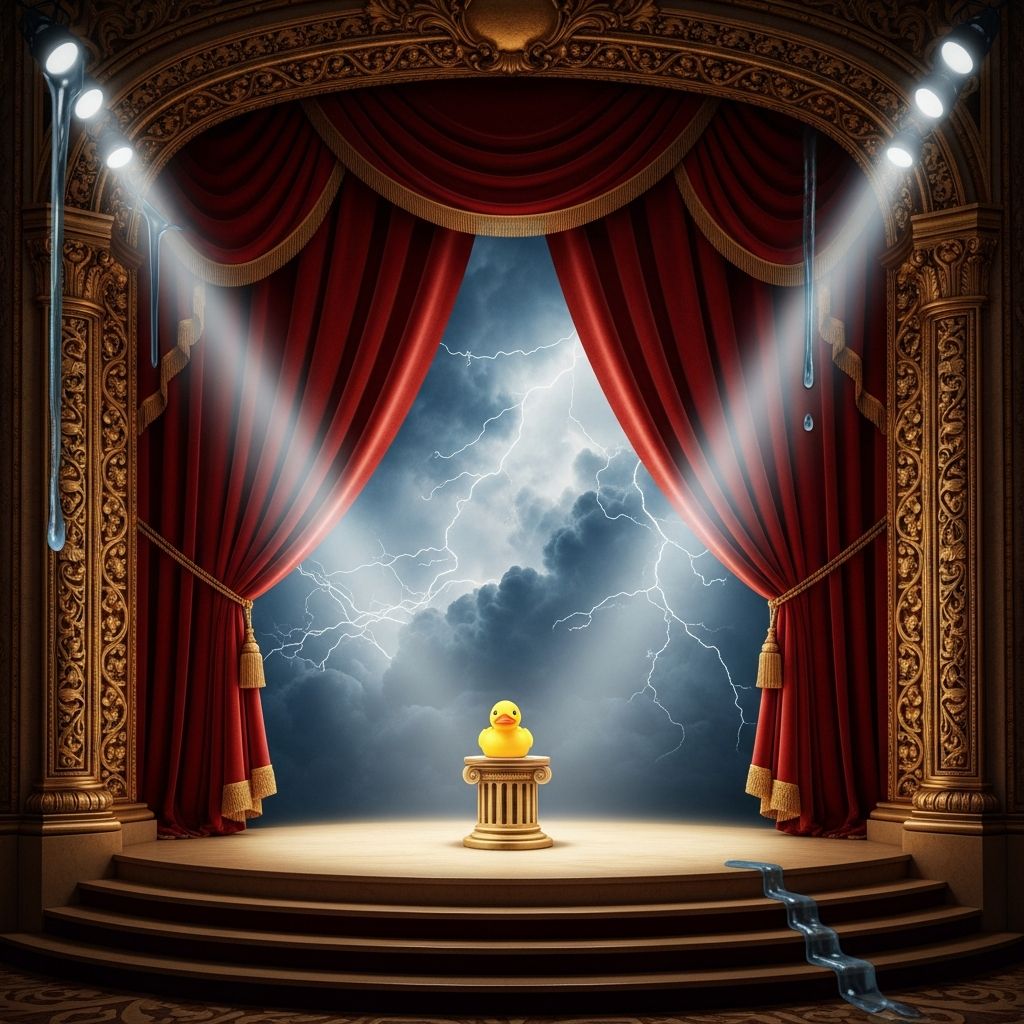
Bathos represents a striking rhetorical shift where grand, elevated language crashes into the mundane or trivial, often producing unintended comedy or deliberate satire. This device highlights the tension between expectation and reality in writing.
Defining Bathos in Rhetorical Terms
At its core, bathos occurs when a writer employs lofty diction or builds intense emotional momentum, only to undercut it with something prosaic or silly. Derived from the Greek word for ‘depth,’ it ironically describes a descent from poetic heights to banal lows. Unlike successful pathos, which stirs genuine emotion, bathos mocks such attempts by revealing their inadequacy.
Writers may wield bathos intentionally for humor, as in satire, or suffer it accidentally, leading to reader frustration. Its power lies in subverting anticipation, turning potential tragedy into farce.
Historical Origins and Evolution
The term bathos entered literary criticism through Alexander Pope’s 1728 treatise, Peri Bathous; or, The Art of Sinking in Poetry, a parody guide mocking poor writing practices. Pope targeted contemporaries like John Dryden and John Keats, whose works sometimes devolved into bathetic moments due to overreach.
Prior to Pope, 17th-century rhetoric distinguished bathos from effective elevation, but his work popularized it as a critique tool. By the 18th century, it became a staple in discussions of poetic failure and comedic success. In modern contexts, bathos appears in advertising, film, and social media memes, adapting to contemporary irony.
Intentional vs. Unintentional Bathos
Intentional bathos serves satire or comedy, deliberately deflating pomposity. Authors like Pope used it to lampoon pretentious styles, ensuring the drop elicits laughter rather than dismay.
Unintentional bathos, conversely, arises from misjudged tone, where a serious buildup resolves absurdly, disappointing audiences. Keats’ early odes, for instance, drew criticism for such lapses, harming their reception.
| Type | Purpose | Effect on Reader | Example Context |
|---|---|---|---|
| Intentional | Satire, Humor | Laughter, Insight | Parody poems |
| Unintentional | None (Error) | Disappointment | Overambitious verse |
Classic Examples from Literature
Pope’s own The Rape of the Lock masterfully employs bathos: ‘Not louder shrieks to pitying heaven are cast, / When husbands or when lap-dogs breathe their last.’ Equating human death with a pet’s trivializes epic grief comically.
In Alexander Pope’s framework, bathos mocks false grandeur, as seen in attempts to elevate trivial subjects like domestic squabbles to Homeric levels. Modern echoes appear in works like Douglas Adams’ The Hitchhiker’s Guide to the Galaxy, where cosmic questions end in bureaucratic absurdity.
- Pope’s lap-dog line: Elevates pet loss to divine tragedy for ironic effect.
- Dryden’s historical verse: Unintentionally sinks noble themes into prosaic details.
- Keats’ odes: Romantic buildup undermined by awkward phrasing.
Bathos vs. Pathos: Key Distinctions
Pathos evokes authentic pity or sorrow through relatable human struggles, a cornerstone of Aristotle’s rhetoric. Bathos, by contrast, parodies this by failing spectacularly, transitioning from sublime to ridiculous.
The phonetic similarity belies their opposition: pathos uplifts emotionally; bathos plummets into humor or bathos-induced anticlimax. Understanding this divide aids writers in avoiding accidental bathos while harnessing its comic potential.
Bathos in Contemporary Media and Culture
Beyond literature, bathos thrives in film, TV, and online content. Sitcoms like The Office use it when grandiose speeches end in pratfalls. Advertising deploys bathos to make brands relatable, contrasting luxury promises with everyday mishaps.
In politics and speeches, bathos emerges unintentionally during overly dramatic rhetoric that fizzles into triviality, as noted in rhetorical analyses. Social media amplifies it via memes juxtaposing epic music with mundane fails.
Techniques for Crafting Effective Bathos
To employ bathos skillfully:
- Build tension with hyperbolic language or epic allusions.
- Introduce a jarringly ordinary resolution.
- Ensure context supports irony, avoiding pure confusion.
- Balance with surrounding tone for maximum impact.
Avoiding unintentional bathos requires self-editing: test climaxes for genuine payoff and match style to subject matter.
Frequently Asked Questions (FAQs)
What is the primary effect of bathos in writing?
Bathos creates humor or irony by dropping from elevated style to triviality, often as anticlimax.
Who coined the term bathos?
Alexander Pope introduced it in his 1728 satirical treatise on poor poetry.
Is bathos always comedic?
Typically yes when intentional, but unintentional cases disappoint rather than amuse.
How does bathos differ from anticlimax?
Bathos specifically involves stylistic descent from grand to lowly, while anticlimax is broader letdown.
Can bathos appear in non-literary contexts?
Yes, in speeches, ads, and media where pompous buildup meets mundane reality.
Mastering Bathos for Writers and Readers
For aspiring authors, bathos offers a tool to critique excess and inject levity. Readers benefit by recognizing it, distinguishing parody from failure. Its enduring appeal stems from mirroring life’s own absurd contrasts.
In education, studying bathos sharpens analytical skills, revealing how language shapes perception. From Pope’s era to today, it reminds us that true depth avoids artificial sinks.
References
- Bathos in Literature | Definition, History & Examples – Lesson — Study.com. Accessed 2026. https://study.com/academy/lesson/bathos-definition-examples.html
- Bathos – Wikipedia — Wikipedia. Accessed 2026. https://en.wikipedia.org/wiki/Bathos
- Bathos: Definition and Examples — LiteraryTerms.net. Accessed 2026. https://literaryterms.net/bathos/
- Bathos | Humour, Irony, Satire — Britannica. Accessed 2026. https://www.britannica.com/art/bathos
- BATHOS Definition & Meaning — Merriam-Webster. Accessed 2026. https://www.merriam-webster.com/dictionary/bathos
- Bathos And Pathos – Rhetoric — YouTube (iswearenglish). Accessed 2026. https://www.youtube.com/watch?v=2laYHWhv8RI
Similar Articles







Read full bio of medha deb