Battery Acid Essentials
Discover the composition, role, hazards, and safe handling of battery acid in lead-acid batteries for everyday applications.
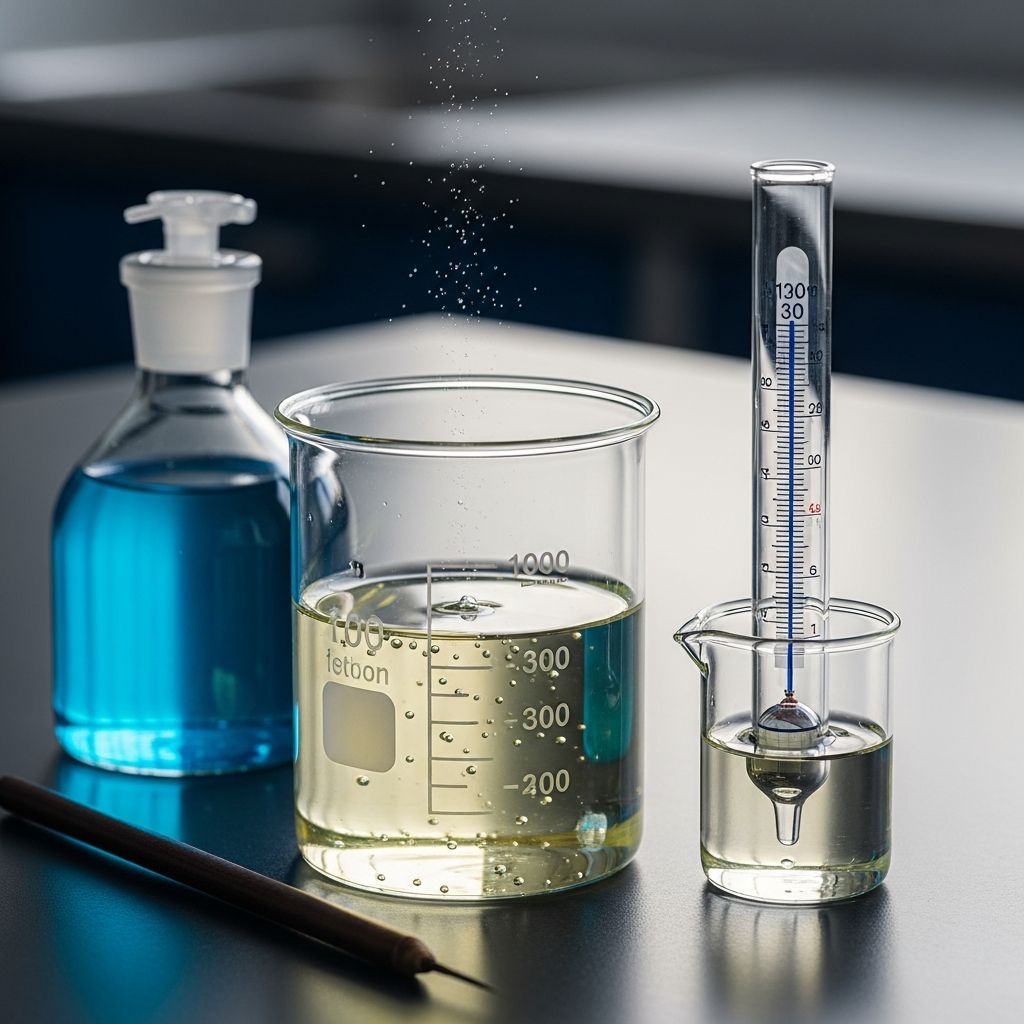
Battery Acid Essentials: Composition, Function, and Safety
Lead-acid batteries power countless devices from cars to backup systems, relying on a key component known as battery acid. This electrolyte solution facilitates energy storage and release through chemical reactions. Understanding its properties helps users maintain equipment effectively while minimizing risks.
The Chemical Foundation of Battery Acid
Battery acid primarily consists of sulfuric acid (H₂SO₄) diluted with water. In lead-acid batteries, concentrations typically range from 30% to 50% sulfuric acid, balanced with 50-70% water. This mixture serves as the electrolyte, enabling ion movement between lead plates.
The specific formulation varies by battery type. Automotive batteries often use around 35% sulfuric acid, while some industrial variants reach up to 50%. The acid’s role is to provide hydrogen ions that drive electrochemical processes during charging and discharging.
Key Physical Characteristics
- Appearance: Clear, colorless liquid that may feel oily to the touch.
- Odor: Generally odorless, though vapors can irritate in confined spaces.
- Density: Specific gravity of 1.24 to 1.28 for a fully charged battery, indicating optimal acid strength.
- Reactivity: Exothermic when mixed with water or metals, generating heat rapidly.
These traits make battery acid essential yet demanding careful management.
How Battery Acid Powers Lead-Acid Batteries
In a lead-acid battery, sulfuric acid reacts with lead (Pb) on the anode and lead dioxide (PbO₂) on the cathode. The basic discharge reaction is: Pb + PbO₂ + 2H₂SO₄ → 2PbSO₄ + 2H₂O. This converts chemical energy into electrical current.
During charging, the process reverses, reforming sulfuric acid and restoring plate materials. The electrolyte’s concentration directly impacts performance: higher specific gravity signals a fuller charge.
| Charge State | Specific Gravity | Sulfuric Acid Concentration |
|---|---|---|
| Fully Charged | 1.280 | ~32% |
| 50% Charged | 1.190 | ~25% |
| Discharged | 1.120 | ~15% |
Maintaining this balance optimizes battery life and efficiency.
Acidity Levels and Their Implications
Battery acid exhibits extreme acidity with a pH around 0.8, fully dissociating in water to release hydrogen ions. This low pH is vital for the battery’s electrochemical reactions but heightens corrosiveness.
As the battery discharges, water forms, diluting the acid and lowering specific gravity. Monitoring pH or density via hydrometer helps assess health. Ideal levels ensure reliable power output without excessive wear.
Hazards Posed by Battery Acid Exposure
Sulfuric acid in batteries poses significant risks due to its corrosive nature. Even diluted, it can cause severe chemical burns on skin contact, eye damage, or respiratory issues from vapors.
Common Exposure Risks
| Risk Type | Effects | Prevention |
|---|---|---|
| Skin Contact | Burns, irritation, pain | Acid-resistant gloves, long sleeves |
| Eye Exposure | Corneal damage, blindness | Safety goggles, face shields |
| Inhalation | Lung irritation, breathing difficulty | Ventilation, respirators |
| Ingestion | Internal burns, organ damage | Never swallow; seek immediate aid |
OSHA and CDC emphasize these dangers, noting even small splashes require prompt action.
Safe Handling Protocols for Battery Acid
Always wear personal protective equipment (PPE) including gloves, goggles, and aprons when working with batteries. Handle in well-ventilated areas to disperse potential vapors.
- Inspect batteries for leaks or cracks before use.
- Use secondary containment for storage.
- Avoid mixing with bases or organics, which can cause violent reactions.
- For spills, neutralize with baking soda before cleanup.
Follow SDS guidelines from manufacturers like EnerSys and Interstate Batteries for precise protocols.
Maintenance Tips to Preserve Electrolyte Integrity
Regular checks extend battery life. Test specific gravity monthly using a hydrometer. Top up with distilled water if levels drop, but never add acid unless specified.
Clean terminals to prevent corrosion. For flooded batteries, equalize charge periodically to mix electrolyte evenly. Sealed types like AGM or VRLA require less intervention but benefit from temperature control.
Environmental and Disposal Considerations
Battery acid contributes to lead contamination if mishandled. Recycle through certified facilities to recover lead and neutralize acid. Regulations mandate proper disposal to protect groundwater.
Improper dumping risks soil and water pollution, affecting ecosystems. Opt for recycling programs offered by auto shops or retailers.
Modern Variations and Alternatives
While traditional flooded lead-acid batteries dominate, gel and AGM designs use immobilized electrolytes, reducing spill risks. These maintain similar sulfuric acid bases but in safer forms.
Lithium-ion batteries eliminate liquid acid entirely, offering advantages in weight and safety, though at higher cost. Transitioning depends on application needs.
Frequently Asked Questions
What exactly comprises battery acid?
Battery acid is diluted sulfuric acid (H₂SO₄) at 30-50% concentration with water, acting as the electrolyte.
Is battery acid hazardous to handle?
Yes, it causes severe burns and requires PPE like gloves and goggles.
What pH does battery acid have?
Around 0.8, making it highly acidic and reactive.
How do you check battery acid strength?
Measure specific gravity with a hydrometer; 1.280 indicates full charge.
Can you neutralize battery acid spills?
Yes, use baking soda to form neutral salts, then rinse thoroughly.
Are there spill-proof battery options?
AGM and gel batteries minimize leaks while using similar electrolytes.
References
- The Dangers of Battery Acid — Chemicals.co.uk. 2023. https://www.chemicals.co.uk/blog/the-dangers-of-battery-acid
- What Is Battery Acid? Composition, pH, Smell & Safety Guide — Sinexcel-re.com. 2024. https://www.sinexcel-re.com/blog/what-is-battery-acid/
- Battery Acid 101: Composition, Function, and Safety — EcoFlow. 2024. https://www.ecoflow.com/us/blog/battery-acid-composition-function-safety-guide
- Battery Acid Composition: Proven Strategies to Optimise Electrolyte — Suzuki Battery. 2023. https://suzukibattery.sg/blog/starter-battery-knowledge/battery-acid-composition-proven-strategies-to-optimize-electrolyte-performance-and-safety/
- What is Battery Acid: Composition, Function, and Safety — Renogy. 2024. https://www.renogy.com/blogs/emergency/what-is-battery-acid
- Understanding Battery Acid — HZH Marine. 2023. https://www.hzhmarine.com/news/understanding-battery-acid.html
- Information for the Safe Handling of Lead-Acid Batteries — EnerSys. 2021-07-01. https://www.enersys.com/4a25d7/globalassets/documents/product-documentation/_enersys/emea/instructions-for-safe-handling/aviation-and-defence/information-for-the-safe-handling-of-ad-pb-acid-batteries-july-2021.pdf
Similar Articles








Read full bio of medha deb