Becoming an Archaeologist: Your Complete Guide
Unlock the secrets of ancient civilizations with this step-by-step roadmap to launching a rewarding career in archaeology.
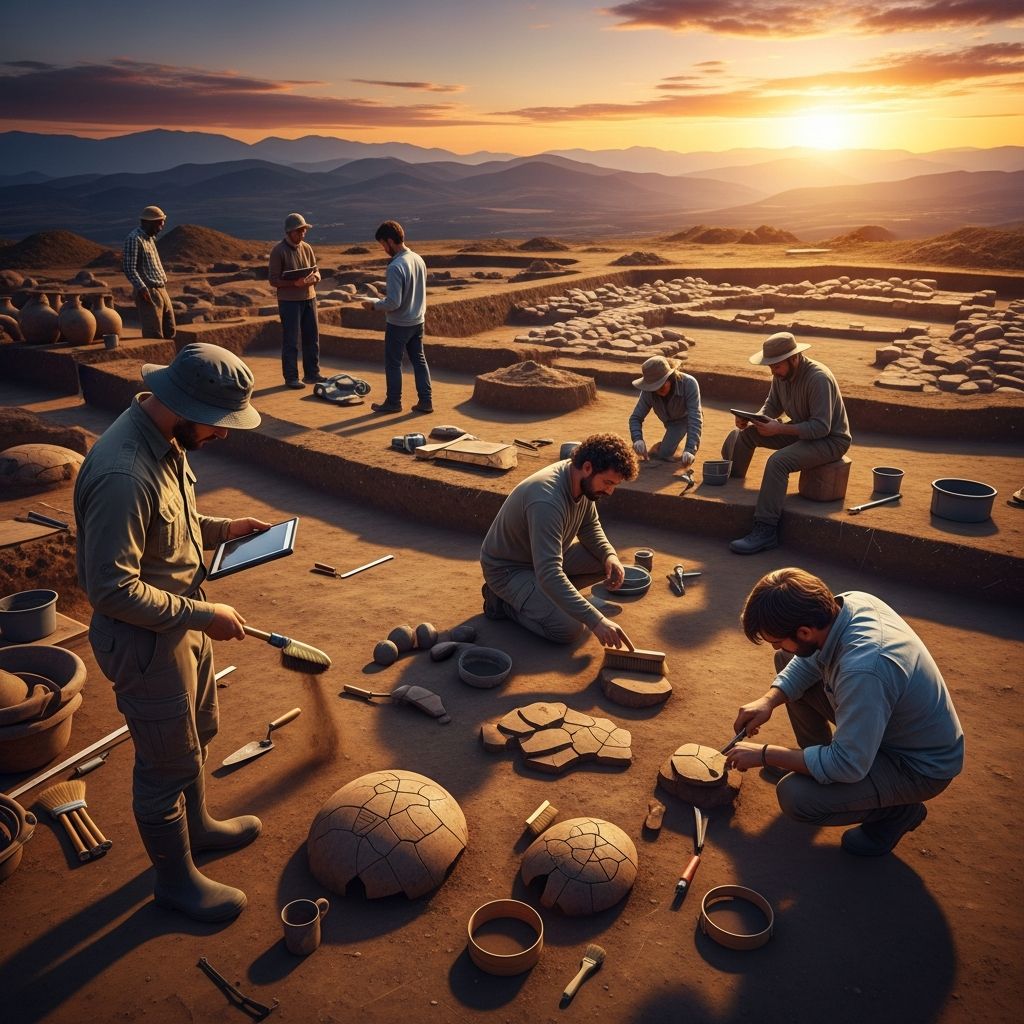
Archaeology offers a unique blend of history, science, and adventure, allowing professionals to uncover the stories of past societies through physical remains. This guide provides a comprehensive roadmap for aspiring archaeologists, covering education, practical training, essential skills, and career opportunities. Whether you’re drawn to excavating ancient sites or analyzing artifacts in a lab, success in this field demands dedication, rigorous preparation, and adaptability.
Understanding the Archaeology Profession
Archaeologists study human history and prehistory by examining artifacts, structures, and environmental data from past civilizations. Unlike historians who rely on written records, archaeologists piece together narratives from tangible evidence, often working in diverse settings from remote digs to urban development sites. The field splits into academic research, museum curation, and cultural resource management (CRM), where professionals protect heritage sites during modern construction projects.
Job demand is steady but competitive, with most positions in CRM firms ensuring compliance with laws like the National Historic Preservation Act. Entry-level roles require versatility, from surveying land to cataloging finds, while senior positions demand advanced expertise.
Educational Foundations for Aspiring Archaeologists
A solid academic background is non-negotiable. The U.S. Bureau of Labor Statistics emphasizes that professional archaeologists typically hold at least a master’s degree in archaeology, anthropology, or a related discipline. High school students should prioritize courses in history, sciences, mathematics, and foreign languages to build a strong base.
Bachelor’s Degree: The Essential Starting Point
A four-year bachelor’s degree in anthropology, archaeology, history, or a related field is the minimum for entry-level positions. Programs like the University of Wisconsin-La Crosse’s Archaeological Studies major offer comprehensive training, one of the few dedicated undergraduate options in the U.S. Coursework includes cultural anthropology, archaeology methods, statistics, and lab techniques. Complement this with electives in geology, chemistry, or biology for scientific rigor.
- Key Undergraduate Courses: Introduction to Archaeology, Human Evolution, Artifact Analysis, Statistics for Social Sciences.
- Related Majors: Anthropology (most common), Classical Studies, Environmental Science.
Degrees in non-traditional fields like physics or art history can transition into archaeology if paired with archaeology coursework and field experience.
Graduate Degrees: Unlocking Advanced Opportunities
For career advancement, a master’s degree is crucial, especially in CRM where it’s required for principal investigator roles under U.S. Department of the Interior standards. Doctoral programs (PhD) are essential for academia, tenure-track positions, or leading major research projects, taking 7-9 years post-bachelor’s including coursework, exams, and dissertation.
Master’s programs emphasize specialized research, such as regional archaeology (e.g., Mesoamerican or Classical) or technical skills like remote sensing. Online options, like Norwich University’s Master of Arts in History, provide flexibility for working professionals.
| Degree Level | Typical Duration | Career Access |
|---|---|---|
| Bachelor’s | 4 years | Entry-level CRM, field tech |
| Master’s | 1-2 years | Project supervisor, PI eligibility |
| PhD | 4-7 years | Professor, research director |
Hands-On Fieldwork: The Heart of Archaeological Training
Theory alone won’t suffice; practical experience is paramount. The Society for American Archaeology (SAA) and Department of the Interior standards mandate at least one year of professional experience, four months of supervised fieldwork, and demonstrated research ability for professional qualification.
Field Schools and Volunteer Digs
Enroll in a university field school during undergrad—90% of CRM archaeologists have this experience, making it a hiring prerequisite. These intensive summer programs teach excavation techniques, mapping, and stratigraphy. Volunteer on real digs through organizations like the Archaeological Institute of America to build your resume.
- Benefits: Master tools like trowels, total stations; network with pros; handle real artifacts.
- Tips: Start local for regional knowledge; document everything with photos and logs.
Internships and CRM Entry Points
Seek internships at national parks, museums, or CRM firms. The National Park Service hires seasonally for site monitoring. Local CRM experience in your target region boosts employability, as employers value familiarity with terrain and regulations.
Essential Skills and Tools for Modern Archaeologists
Beyond digging, archaeologists need technical proficiency. Geographic Information Systems (GIS) is indispensable for mapping sites and analyzing data spatially. Learn software like ArcGIS through courses or certifications.
Language skills enhance research: Study ancient scripts (e.g., hieroglyphs for Egyptology) and modern languages of study regions for collaboration and logistics. Soft skills include physical fitness for fieldwork, meticulous documentation, and grant-writing for funding.
- Technical Skills: GIS, 3D modeling (e.g., photogrammetry), radiocarbon dating analysis.
- Personal Traits: Patience, adaptability to weather/extreme conditions, teamwork.
Navigating the Job Market and Career Paths
Archaeology jobs are competitive; most are in CRM (70-80% of positions), followed by government, academia, and museums. Entry-level pay averages $40,000-$50,000, rising to $70,000+ for seniors. Flexibility is key—jobs may require travel, relocation, or multi-tasking from lab analysis to report writing.
Primary Career Tracks
| Path | Requirements | Pros | Cons |
|---|---|---|---|
| CRM | BA/MA, field school, GIS | Steady jobs, project variety | Contract-based, physically demanding |
| Academic | PhD | Research freedom, teaching | Tenure scarce, publish-or-perish |
| Government/NPS | MA+, experience | Stability, public impact | Bureaucracy, competitive |
Search postings on SAA’s career board, university job sites, or federal portals like USAJobs. Tailor resumes with KSAs (Knowledge, Skills, Abilities) from job descriptions.
Challenges and Realities of an Archaeology Career
Expect long hours in harsh conditions, low starting pay, and funding battles. Women and minorities face additional barriers but bring diverse perspectives. Persevere by networking at conferences and publishing findings early. Alternative paths include science communication or heritage tourism.
Frequently Asked Questions (FAQs)
Do I need a college degree to be an archaeologist?
Yes, a bachelor’s is the minimum; advanced roles require graduate degrees per DOI standards.
How important is field school experience?
Critical—it’s the primary on-the-job training and a top hiring factor for 90% of CRM pros.
Can I enter archaeology without an anthropology major?
Absolutely; history, geology, or languages work if supplemented with archaeology courses and experience.
What’s the job outlook for archaeologists?
Stable in CRM due to development laws, but competitive; master’s boosts prospects.
How long does it take to become a professional archaeologist?
4-6 years for entry-level (BA + experience), 6-10+ for advanced roles.
Final Steps to Launch Your Archaeology Career
Assess your passion: Conduct a KSA self-evaluation against job postings. Pursue education strategically, gain fieldwork relentlessly, and build a portfolio of projects. Archaeology rewards the persistent—start digging into your future today.
References
- How to Become an Archaeologist: Career Outlook & Salary — Norwich University Online. 2023. https://online.norwich.edu/online/about/resource-library/how-become-archaeologist-career-outlook-salary
- How to become an archaeologist — University of Wisconsin-La Crosse. 2023. https://www.uwlax.edu/college-tips/how-to-become-an-archaeologist/
- Career Guide – Archeology — U.S. National Park Service (.gov). 2024-01-15. https://www.nps.gov/subjects/archeology/career-guide.htm
- THREE TIPS FOR ASPIRING ARCHAEOLOGISTS (PART 2) — Archaeology in Community. 2022. https://archaeologyincommunity.com/so-you-think-you-want-to-be-an-archaeologist-three-tips-for-aspiring-archaeologists-part-2/
- A Career in Archaeology — Archaeological Institute of America. 2023. https://www.archaeological.org/programs/educators/introduction-to-archaeology/a-career-in-archaeology/
- Archaeology as a Career — Society for American Archaeology. 2024. https://saa.org/Member/SAAMember/About-Archaeology/Archaeology-as-a-Career.aspx
Similar Articles








Read full bio of Sneha Tete