Ultimate Guide to Top De-Icers for Winter Safety
Discover the most effective de-icers for driveways, sidewalks, and vehicles to ensure safe winter travel and property protection.
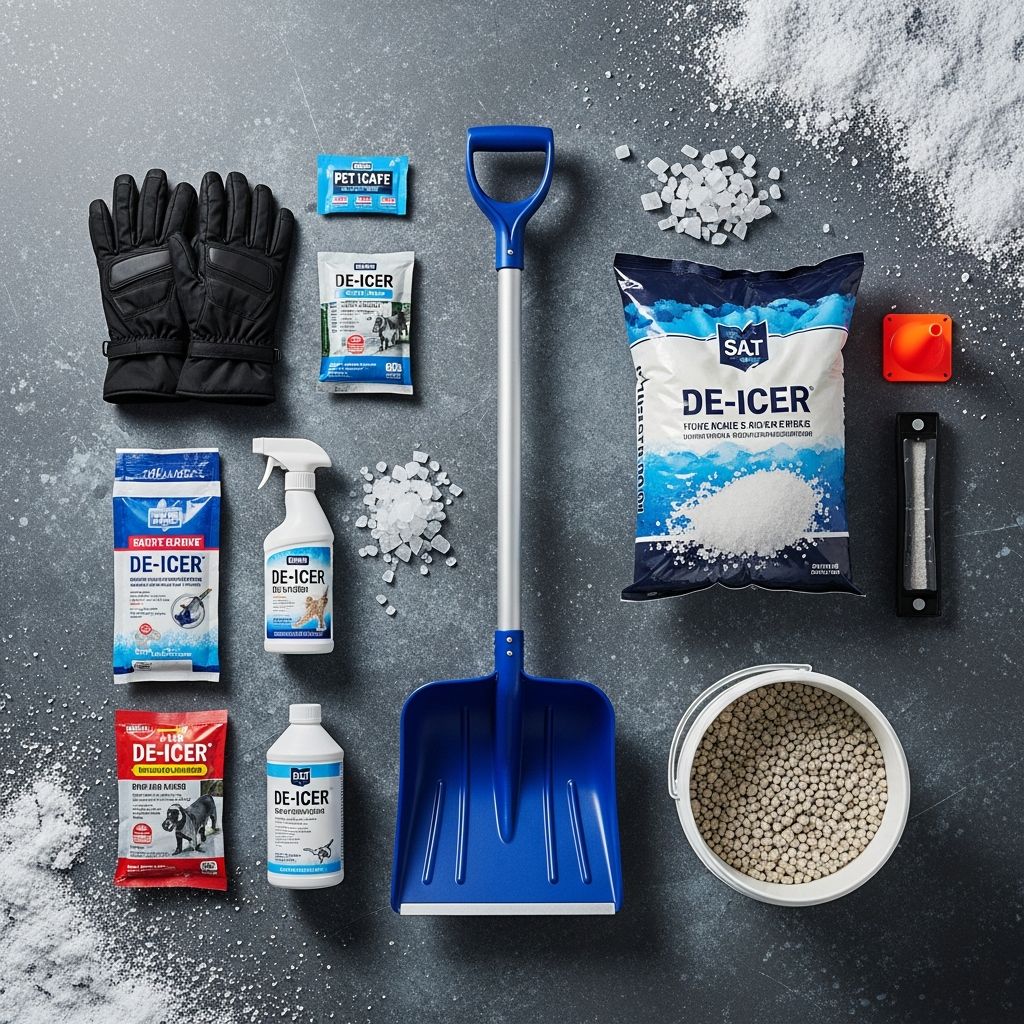
Winter brings icy challenges to driveways, sidewalks, and roads, making effective de-icing essential for safety. The right de-icer melts ice quickly, works in extreme cold, and minimizes damage to surfaces, vegetation, and the environment. This guide evaluates top options based on performance, cost, and safety, helping you choose the best for your needs.
Understanding How De-Icers Work
De-icers lower the freezing point of water through a process called freezing point depression. When applied to ice or snow, they create a brine solution that prevents refreezing. Common ingredients include chlorides like calcium chloride (CaCl2) and magnesium chloride (MgCl2), which are hygroscopic—absorbing moisture from the air to initiate melting. Non-chloride options like sodium acetate or calcium magnesium acetate (CMA) offer eco-friendly alternatives by biodegrading without harming waterways.
Effectiveness varies by temperature: most rock salt fails below 20°F, while calcium chloride excels down to -25°F or lower due to its exothermic reaction, releasing heat upon dissolving. Liquid de-icers, such as brine solutions, penetrate ice faster than granules and reduce tracking indoors.
Key Factors in Selecting a De-Icer
Choose based on climate, surface type, environmental concerns, and budget. Here’s what matters:
- Temperature Range: Extreme cold demands CaCl2 or blends effective below 0°F.
- Surface Compatibility: Avoid sodium chloride on concrete, as it causes spalling.
- Environmental Impact: Chlorides harm plants, pets’ paws, and aquatic life; opt for acetates in sensitive areas.
- Cost and Coverage: Liquids offer better value per application but require equipment.
- Safety: Low toxicity for pets and children is crucial for walkways.
Top Granular De-Icers Reviewed
Granular products are traditional, easy to spread, and cost-effective for large areas. We highlight leading performers.
Calcium Chloride Flakes and Pellets
Calcium chloride stands out for rapid action in frigid conditions. Products like DowFlake Xtra or Peladow pellets contain up to 90% CaCl2, melting ice three times faster than competitors and working at -25°F. They generate heat exothermically, ideal for ice dams and hardpack snow. However, they can be pricier and leave a slippery residue if tracked indoors.
| Product | Effective Temp | Melt Speed | Price/Gallon Equivalent |
|---|---|---|---|
| Peladow Pellets | -25°F | 3x faster | Medium-High |
| DowFlake Xtra | -25°F | Fast | Affordable |
Magnesium Chloride Blends
MgCl2 blends like Hot Melt or ComboTherm combine with sodium or potassium chloride for balanced performance. Hot Melt works to -25°F with residual action for longer protection and less reapplication. Less corrosive than pure CaCl2, but still impacts vegetation and can feel oily on floors.
Eco-Friendly Non-Chloride Options
Sodium acetate and CMA melt quickly to 0°F without chlorides, earning FAA approval for runways. They’re biodegradable, safe for concrete, metal, and plants, but cost more and work less effectively in sub-zero extremes. Ideal for urban or environmentally sensitive sites.
Superior Liquid De-Icers for Professional Results
Liquids like Headwaters HOT Brine (CaCl2 + NaCl mix) penetrate existing ice for pre- and post-storm use. Applied via sprayer, they ensure even coverage and reduce bounce common with granules. Neutral pH formulas minimize corrosion and tracking.
- Pros: Faster melt, less material needed, precise application.
- Cons: Requires equipment; starting at $0.69/gallon.
For driveways, liquids outperform granules in wind or heavy snow, cutting cleanup time.
De-Icers for Vehicles and Windshields
Spray de-icers like Prestone Windshield De-Icer or CRC Blue & White provide quick thaw for frozen locks, wipers, and glass. Prestone’s formula excels in cold, with minimal streaking. For automotive use, avoid granules to prevent clogs or paint damage.
Environmental and Safety Considerations
Chloride-based de-icers reduce oxygen in waterways, harming fish, and dry out pet paws. The Natural Stone Institute endorses CaCl2 for stone surfaces due to low damage risk. Formic-based liquids are 100% chloride-free and biodegradable, safest for airports and highways. Always apply minimally—overuse wastes money and harms soil salinity.
Cost Comparison and Application Tips
| Type | Avg. Cost/lb or Gal | Coverage (per 50lb bag) | Best For |
|---|---|---|---|
| Rock Salt (NaCl) | $0.10/lb | 1,000 sq ft | Mild winters |
| CaCl2 Pellets | $0.80/lb | 500 sq ft | Extreme cold |
| MgCl2 Blend | $0.50/lb | 800 sq ft | Balanced use |
| Sodium Acetate | $1.50/lb | 400 sq ft | Eco-zones |
| Liquid Brine | $0.69/gal | 2,000 sq ft | Pro applications |
Application Best Practices:
- Pre-treat before storms for prevention.
- Shovel first, then apply de-icer to thin layers.
- Use spreaders for even distribution; 4-8 oz per sq yard.
- Sweep excess to avoid runoff pollution.
Common Myths About De-Icers Debunked
Myth: More is Always Better. Excess causes runoff and refreezing. Fact: Thin applications suffice.
Myth: All De-Icers Are Equally Harmful. Acetates are far gentler than chlorides.
Frequently Asked Questions (FAQs)
What is the most effective de-icer for -20°F temperatures?
Calcium chloride pellets like Peladow or DowFlake, effective to -25°F with rapid exothermic melting.
Are there pet-safe de-icers?
Yes, sodium acetate or CMA options avoid paw irritation and are biodegradable, unlike chlorides.
Which de-icer is best for concrete driveways?
Calcium chloride or magnesium chloride; avoid rock salt to prevent cracking.
How do liquid de-icers compare to granular?
Liquids penetrate faster, reduce tracking, and offer better coverage but need sprayers.
What’s the cheapest effective option?
ComboTherm blends provide value, working well at low temps for under $0.50/lb.
Recommendations by Scenario
- Home Driveway (Extreme Cold): Prestone Driveway Heat or Green Gobbler Pellets (-25°F, fast action).
- Pet-Friendly Walkways: Sodium acetate or Safe Paw.
- Commercial/Large Areas: HOT Brine liquids for efficiency.
- Windshields: Prestone or Rain-X sprays.
For 2026 winters, prioritize products matching your local forecasts—combine types for versatility. Proper selection prevents slips, property damage, and ecological harm while keeping paths clear.
References
- What’s the Best Liquid Deicer of 2025 — Ninja De-Icer. 2025. https://ninjadeicer.com/blogs/resources/top-best-liquid-de-icers
- What Are the Best Deicers? — Snow Ice Salt. 2025. https://snowicesalt.com/what-are-the-best-deicers/
- Top 5 Best De Icer in 2025 — YouTube (Review Click). 2025. https://www.youtube.com/watch?v=n_xtLk2VMcc
- The Best Ice Melt | Tested & Ranked — TechGearLab. 2025. https://www.techgearlab.com/topics/home/best-ice-melt
- Choosing the Best Deicer — ISSA (International Sanitary Supply Association). 2023. https://www.issa.com/articles/choosing-the-best-deicer/
- What Type of De-Icer Should You Use? — Nature’s Perspective (citing Natural Stone Institute). 2023. https://naturesperspective.com/what-type-of-de-icer-should-you-use-2/
Similar Articles








Read full bio of medha deb