Blizzard Survival Guide
Master essential strategies to stay safe during blizzards at home, on roads, and in the wild with proven expert tips.
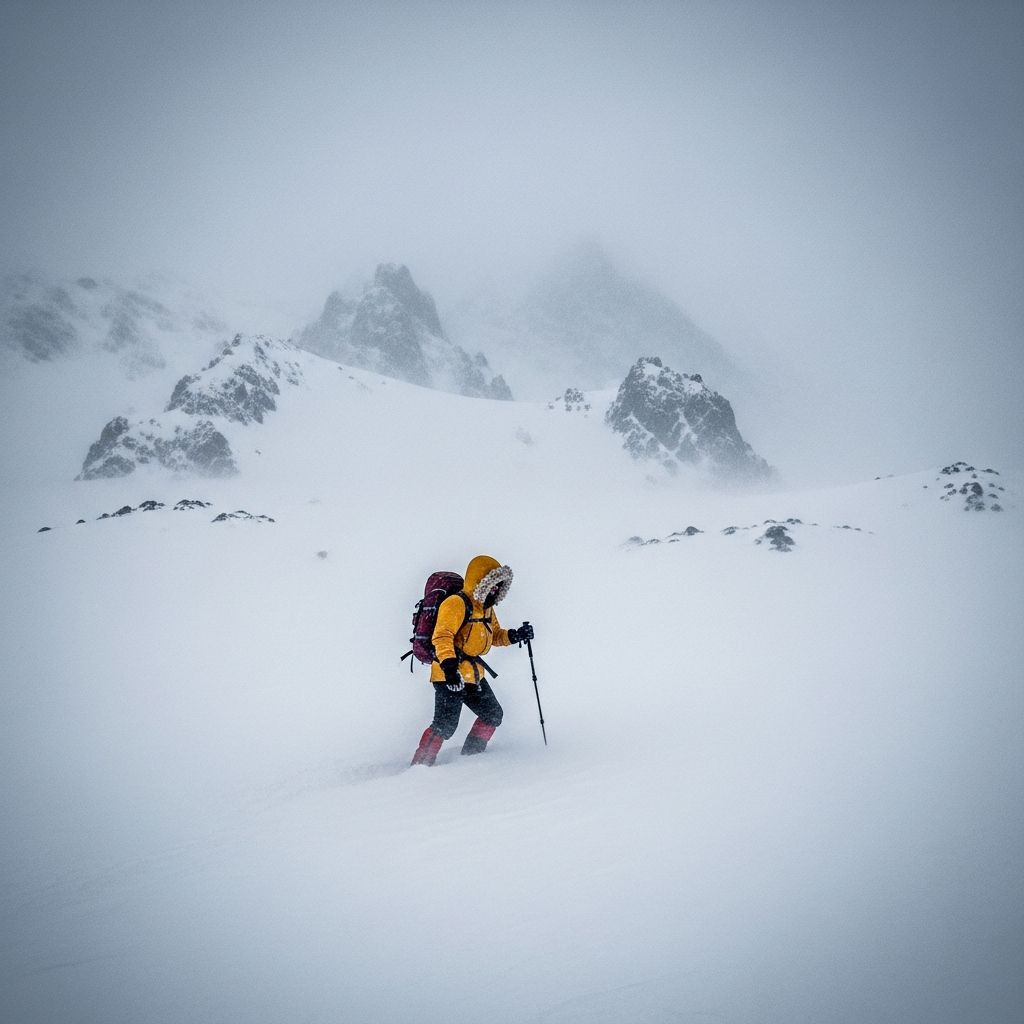
Blizzard Survival Guide: Essential Strategies for Extreme Winter Weather
Blizzards pose severe risks with high winds, heavy snow, and freezing temperatures that can lead to life-threatening conditions like hypothermia and frostbite. Preparation and knowledge are key to enduring these storms safely, whether at home, driving, or outdoors.
Understanding Blizzard Hazards
Blizzards combine heavy snowfall rates of at least 1 inch per hour for several hours with winds over 35 mph, creating whiteout conditions that reduce visibility to near zero. These storms often cause power outages, stranded vehicles, and isolation, amplifying dangers from cold exposure.
- Wind chill factor: Drops effective temperature far below actual readings, accelerating heat loss.
- Whiteouts: Cause disorientation, increasing accident risks on roads or trails.
- Secondary threats: Roof collapses from snow weight, frozen pipes, and carbon monoxide poisoning from improper heating.
Recognizing these threats early allows proactive measures. Monitor forecasts from reliable sources like NOAA for timely warnings.
Pre-Storm Preparation: Build Your Defenses
Effective survival begins days before a blizzard hits. Stock essentials to sustain you for 72 hours or more without power or aid.
Home Readiness Checklist
- Non-perishable food and 3 gallons of water per person per day.
- Flashlights, extra batteries, hand-crank radio for updates.
- Medications, first aid kit, blankets, and sleeping bags.
- Insulate pipes; prepare alternative heat sources like wood stoves (with proper ventilation).
- Charge all devices and secure backup power banks.
For vehicles, assemble a winter emergency kit: shovel, ice scraper, tow strap, jumper cables, blankets, non-perishable snacks, and reflective triangles. These items turn a stranded car into a viable shelter.
| Item | Quantity | Purpose |
|---|---|---|
| Blankets/Sleeping Bag | 2+ per person | Retain body heat |
| Shovel | 1 | Dig out snow |
| Hand Warmers | 10+ pairs | Warm extremities |
| Bottled Water/Food | 3 days supply | Hydration/Nutrition |
| Flashlight/Radio | 1 each | Light/Information |
Dressing for Blizzard Conditions
Layering is crucial to trap body heat and stay dry. Wet clothes lead to rapid heat loss and hypothermia.
- Base layer: Moisture-wicking fabrics like synthetics or wool to pull sweat away from skin.
- Mid-layer: Insulating fleece or down for warmth retention.
- Outer shell: Windproof, waterproof jacket and pants.
- Accessories: Insulated boots, waterproof gloves/mittens, hat, scarf to cover face—heat escapes mainly from head and neck.
Change out of damp clothes immediately. For outdoor tasks, limit exposure to 15 minutes.
Safety During the Storm: At Home and Indoors
The best strategy is to shelter in place. Avoid unnecessary outings as even short walks can become fatal in whiteouts.
- Stay informed: Use NOAA Weather Radio for real-time alerts.
- Conserve heat: Seal drafts with towels; close off unused rooms.
- Hydrate: Drink warm, non-caffeinated fluids. Melt snow only after heating to avoid lowering core temperature.
- Power outage plan: Battery-powered lights over candles to prevent fires; test carbon monoxide detectors.
Check on vulnerable neighbors via phone. Community networks enhance collective resilience.
Vehicle Survival: If Stranded on the Road
Thousands get stuck annually. Stay in your vehicle—it’s easier for rescuers to find than a pedestrian.
- Run engine 10 minutes hourly for heat, cracking windows for ventilation.
- Turn on hazard lights; hang bright cloth from antenna.
- Exercise inside: clap hands, move limbs to maintain circulation.
- Ration fuel; eat high-energy snacks sparingly.
If abandoning the car, leave a note with your direction and supplies taken. Travel only toward visible shelter.
Outdoor and Backcountry Tactics
For hikers or those caught unprepared outdoors, prioritize shelter and signaling.
- Assess and stay calm: Stop moving; evaluate resources and visibility.
- Build shelter: Dig a snow cave or lean-to using branches; face away from wind.
- Insulate ground: Use backpack or boughs as a barrier—ground conducts 25 times more heat than air.
- Signal help: Whistles (three blasts), mirrors, or fires with green branches for smoke.
- Protect airways: Scarf over mouth to warm inhaled air, preventing lung damage.
Keep moving minimally: wiggle toes/fingers. Avoid eating unmelted snow.
Recognizing and Treating Cold Injuries
Hypothermia (core temperature below 95°F) starts with shivering, confusion; untreated leads to unconsciousness. Frostbite affects extremities: numb, white skin.
| Condition | Symptoms | First Aid |
|---|---|---|
| Hypothermia | Shivering, slurred speech, drowsiness | Warm gradually with blankets, warm fluids; seek medical help |
| Frostbite | Pain/numbness, white/gray skin | Warm with body heat (not rubbing), protect blisters, no re-freezing |
Learn CPR and first aid; services may be delayed.
Post-Storm Recovery
Clear snow carefully to avoid structural collapse. Check pipes, attics for ice dams. Report downed lines from afar.
Frequently Asked Questions (FAQs)
Can I drink alcohol to stay warm in a blizzard?
No, alcohol dehydrates and hinders shivering, a vital heat-generating mechanism. Opt for warm non-alcoholic drinks.
What if my car gets stuck?
Stay inside, run engine periodically for heat, signal with lights/cloth, and conserve resources until help arrives.
How do I build a snow shelter?
Dig a trench or cave into a drift, block entrance with snow blocks, and vent air holes. It can raise internal temperature 20-30°F.
Is it safe to travel during a blizzard warning?
Avoid if possible; whiteouts cause rapid disorientation. If essential, inform others of plans.
How much water do I need during a storm?
At least 1 gallon per person daily, more for cooking/heating. Collect and melt snow as backup.
This guide equips you with actionable steps drawn from expert sources to navigate blizzards confidently. Prioritize preparation for the best outcomes.
References
- Blizzard Survival Guide: Essential Safety Tips — Global Rescue. 2023. https://www.globalrescue.com/common/blog/detail/blizzard-survival-guide-essential-safety-tips/
- Blizzard and Snowstorm Survival Tips From a Navy SEAL — Global Rescue. 2023. https://www.globalrescue.com/common/blog/detail/blizzard-snowstorm-survival-tips/
- How to Survive a Blizzard at Home: 12 Tips to Try — Angi. 2024. https://www.angi.com/articles/tips-survive-winter-snowstorm.htm
- Winter Storm Preparedness & Blizzard Safety — American Red Cross. 2025-01-15. https://www.redcross.org/get-help/how-to-prepare-for-emergencies/types-of-emergencies/winter-storm.html
Similar Articles








Read full bio of Sneha Tete