Social-Emotional Wellness: A Comprehensive Guide To Thrive
Discover proven strategies to enhance your social-emotional health for better relationships, resilience, and overall life satisfaction.
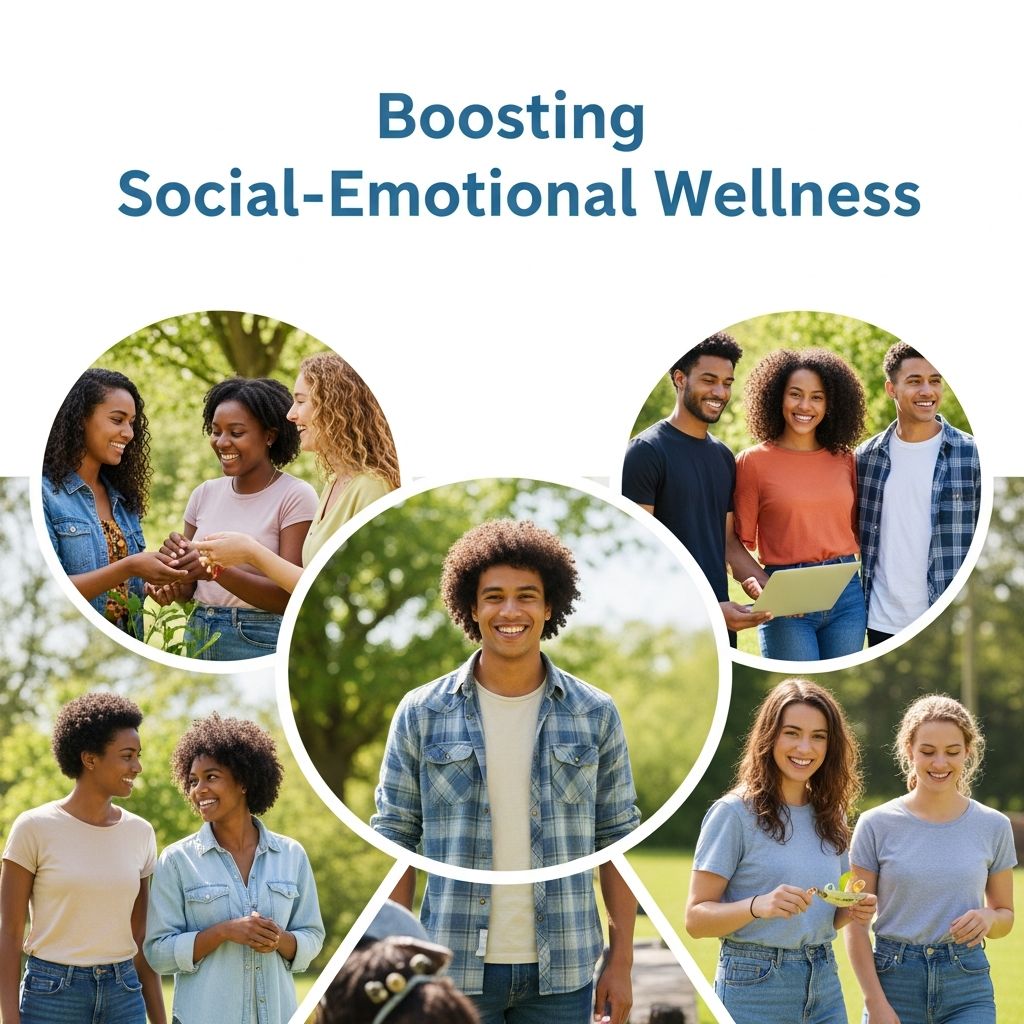
Social-emotional wellness refers to the capacity to understand and regulate one’s emotions while forming meaningful connections with others. It forms a cornerstone of overall health, influencing everything from daily interactions to long-term resilience. According to the World Health Organization, true health encompasses complete physical, mental, and social well-being, extending beyond mere absence of illness. This guide outlines actionable strategies to cultivate this vital aspect of life, drawing from established research on social-emotional learning (SEL) and emotional health.
Understanding the Foundations of Social-Emotional Health
At its core, social-emotional health involves integrating thoughts, emotions, and behaviors to navigate life’s challenges effectively. It includes self-awareness—recognizing personal emotions and their impacts—and social awareness, such as empathizing with diverse perspectives. People with strong social-emotional wellness exhibit optimism, effective coping mechanisms, and positive interdependent relationships.
Research from CASEL highlights how SEL programs yield benefits like reduced emotional distress, improved attitudes toward self and others, and fewer behavioral issues. These skills not only buffer against stress but also promote academic success, with participants showing an 11 percentile gain in grades. For adults, it translates to better productivity, stronger self-esteem, and faster recovery from setbacks.
Key Components of Robust Social-Emotional Wellness
- Emotional Regulation: The ability to manage feelings during ups and downs, rooted in self-acceptance and strength-building rather than problem-focusing.
- Social Interconnectedness: Forming bonds where individuals feel valued, supported, and free to express themselves.
- Resilience and Purpose: A sense of meaning that helps rebound from adversity and maintain productivity.
- Empathy and Communication: Skills to understand others’ viewpoints, enhancing relationships and community belonging.
Neglecting these areas can lead to isolation, chronic stress, and heightened risks of depression or anxiety, as noted in government-linked studies. Conversely, prioritizing them fosters a positive outlook and approachability in social settings.
Practical Strategies to Enhance Emotional Awareness
Building emotional awareness starts with introspection. Begin by journaling daily emotions and triggers, which sharpens self-recognition and reduces reactive behaviors. Mindfulness practices, such as guided breathing, help process feelings without judgment, lowering disease risk and boosting recovery speeds.
In educational contexts, SEL initiatives teach students to identify emotions early, leading to better stress management and reduced depression symptoms. Adults can adopt similar routines: pause during heated moments to name the emotion, then choose a response. This self-management fosters confidence and goal attainment.
| Strategy | Benefits | Application Example |
|---|---|---|
| Daily Journaling | Heightens self-awareness | Write three emotions felt today and why |
| Mindful Breathing | Reduces stress instantly | 5-minute sessions during breaks |
| Strength Reflection | Builds optimism | List personal wins weekly |
Building Meaningful Social Connections
Strong relationships are pivotal, providing perspective and a sense of self-worth. Prioritize quality over quantity: nurture close ties through regular check-ins or shared activities, which deepen bonds and combat loneliness. Joining interest-based groups, like hobby classes, naturally sparks connections with like-minded individuals, stimulating mental health without judgment fears.
Acts of kindness, such as compliments or help offers, create reciprocal positivity and belonging. SEL research shows these interactions reduce bullying, improve school safety, and enhance teacher-student bonds. In workplaces or communities, active listening—paraphrasing others’ words—builds trust and empathy.
Fostering Resilience Through Daily Habits
Resilience, the bounce-back ability, thrives on purpose and social support. Set short-term goals tied to long-term visions, like weekly social meetups, to stay motivated. Physical activity with others, such as group walks, combines health benefits with bonding, improving communication and emotional regulation.
CASEL data indicates SEL participants achieve long-term milestones, with skills persisting up to 18 years, yielding an $11 return per invested dollar. Incorporate gratitude sharing in conversations to amplify contentment and relationships.
Overcoming Barriers to Social-Emotional Growth
Common hurdles include reluctance in social settings or infrequent interactions, which erode skills and heighten stress. Counter this by starting small: schedule one outreach weekly. For introverts, virtual communities offer low-pressure entry points.
Poor emotional health signals, like persistent negativity, warrant professional support. Schools excel here, integrating SEL for safer environments and better behaviors. Track progress via mood logs to adjust habits timely.
Social-Emotional Wellness in Educational Settings
Schools are prime for SEL, equipping students with tools for lifelong success. Programs enhance coping, reduce anxiety, and boost inclusivity. Teachers modeling empathy create ripple effects, fostering resilient learners who avoid harmful pressures.
Parents can reinforce at home: discuss daily feelings over dinner, role-play conflicts. This builds ownership, belonging, and intrinsic motivation.
Long-Term Impacts and Financial Wisdom
Investing in social-emotional wellness pays dividends: lower healthcare costs, superior performance, and enriched lives. Strong skills predict positive lifetime outcomes, from career stability to health. Communities benefit too, with reduced aggression and supportive climates.
Frequently Asked Questions (FAQs)
What is social-emotional wellness?
It encompasses managing emotions, forming healthy relationships, and integrating them for optimal well-being.
How does SEL benefit students?
SEL improves grades, reduces distress, and builds future-ready skills.
Can adults improve their social-emotional health?
Yes, through mindfulness, kindness acts, and deepening ties, yielding resilience and productivity.
Why include physical activity?
It pairs with social interaction for compounded stress relief and bonding.
What if I’m struggling with isolation?
Start with small, structured interactions like classes or calls to rebuild gradually.
References
- What is Social Wellbeing & Why is it Important? — Health Assured. 2023. https://www.healthassured.org/blog/what-is-social-wellbeing/
- Emotional & Social Wellness — American Association of Equine Practitioners (AAEP). 2024. https://aaep.org/guidelines-resources/veterinarian-resources/wellness/emotional-social-wellness/
- What Does the Research Say? — CASEL. 2023. https://casel.org/fundamentals-of-sel/what-does-the-research-say/
- About Emotional Well-Being — Centers for Disease Control and Prevention (CDC). 2024-10-29. https://www.cdc.gov/emotional-well-being/about/index.html
- What is Social Emotional Learning (SEL): Why It Matters — National University (NU). 2023. https://www.nu.edu/blog/social-emotional-learning-sel-why-it-matters-for-educators/
- Social Emotional Health — Kaiser Permanente Thriving Schools. 2024. https://thrivingschools.kaiserpermanente.org/mental-health/social-emotional-health/
Similar Articles







Read full bio of Sneha Tete