Essential Competencies for Professional Chef Success
Master the technical and interpersonal abilities required to excel in professional kitchens
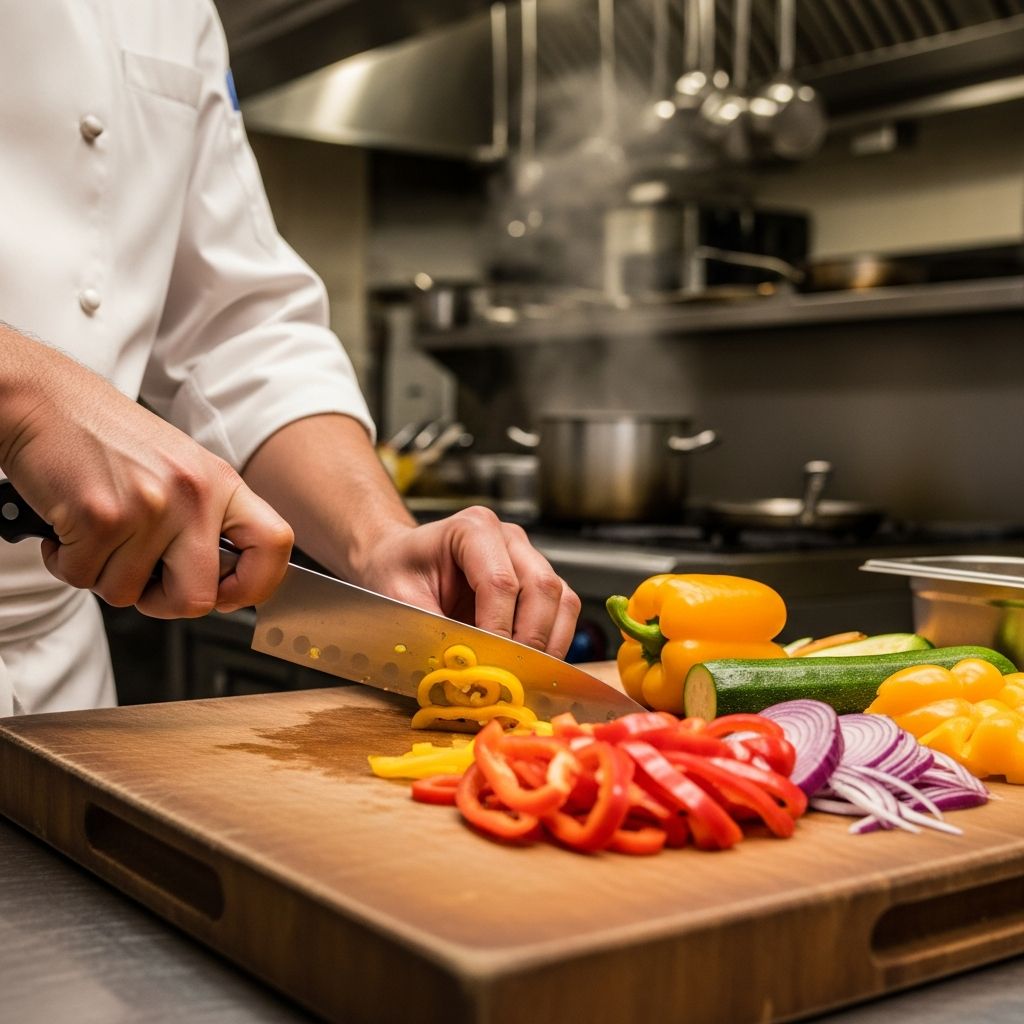
The culinary profession demands a multifaceted skill set that extends far beyond the ability to prepare delicious food. Today’s professional chefs must balance technical mastery with business acumen, leadership capabilities, and adaptability in demanding work environments. Success in this competitive field requires developing both foundational cooking abilities and sophisticated soft skills that enable effective kitchen operations.
Foundational Knife and Food Preparation Mastery
At the core of every chef’s competency lies proficiency with knives and fundamental food preparation techniques. This foundation cannot be overlooked, regardless of career advancement to executive or management positions. A chef must demonstrate confident, safe handling of various knife types and master essential cutting methods that form the basis of professional food preparation.
The technical repertoire includes three primary cutting techniques that every professional must execute flawlessly. Julienne cuts produce thin, matchstick-sized pieces ideal for stir-fries and salads. Batonnet cuts create slightly thicker rectangular pieces commonly used in vegetable preparations. Chiffonade techniques produce thin ribbon-like cuts essential for leafy ingredients and garnishes. Beyond these specific methods, chefs must understand the broader principles governing how to physically transform raw ingredients through various preparation methods.
This encompasses not only the mechanics of cutting but also the knowledge of when and why specific techniques apply to particular ingredients. Understanding ingredient behavior, seasonal availability, and proper storage directly impacts both the quality of finished dishes and overall kitchen efficiency.
Comprehensive Understanding of Ingredients and Flavor Development
Professional success demands deep knowledge of ingredients extending beyond simple recognition. Chefs must understand the flavor profiles, textural properties, and seasonal characteristics of diverse ingredients. This knowledge enables the creation of balanced, harmonious dishes that showcase ingredients at their peak quality.
Flavor development represents a sophisticated skill requiring understanding of how ingredients interact, complement, and enhance one another. Seasoning expertise involves more than salt and pepper application; it encompasses understanding how acids, heat, and complementary flavors transform a dish from adequate to exceptional. Chefs developing menus must apply this ingredient knowledge strategically to create cohesive dining experiences that reflect their culinary philosophy and restaurant identity.
Modern chefs also benefit from understanding nutrition principles and dietary accommodations. The ability to create nutritionally balanced menus while maintaining exceptional flavor and presentation has become increasingly important as diners seek healthier options without compromising taste.
Critical Food Safety and Sanitation Protocols
Food safety represents a non-negotiable responsibility in professional kitchens. Chefs must possess comprehensive knowledge of proper food handling, storage temperatures, cross-contamination prevention, and allergen awareness. This knowledge protects guest health and ensures compliance with health codes and regulatory requirements.
Kitchen safety extends beyond food handling to encompass proper equipment use, fire prevention, and worker safety protocols. Chefs bear responsibility for maintaining sanitary work environments and ensuring all kitchen staff understand and implement proper procedures. This commitment to safety creates a culture of professional responsibility that permeates every aspect of kitchen operations.
Advanced Plating and Presentation Techniques
The visual presentation of food significantly impacts the dining experience. Professional chefs understand that dishes are consumed first with the eyes, and exceptional plating elevates the perceived value and quality of meals. This skill involves understanding color theory, plate balance, portion sizing, and creative arrangement that transforms ingredients into visually compelling compositions.
Plating expertise requires both technical precision and artistic sensibility. Chefs must learn to use space effectively on plates, create height and dimension, and employ garnishes strategically rather than decoratively. The goal extends beyond aesthetics; thoughtful plating enhances the eating experience by directing diner attention and ensuring proper temperature distribution across components.
Menu Development and Recipe Innovation
Creating menus that reflect restaurant identity while maintaining operational feasibility demands specialized skills. Chefs must balance creativity with practicality, considering ingredient availability, kitchen capabilities, cost structure, and market preferences. Menu development involves recipe testing, scaling, and refinement to ensure consistency across service periods.
Innovation in menu design requires understanding culinary theory deeply enough to break rules intentionally rather than accidentally. Chefs who comprehend the fundamental principles of cooking can experiment confidently, creating dishes that surprise and delight rather than confuse diners. This creative capacity, combined with technical skill, distinguishes memorable dining experiences from merely competent ones.
Inventory Management and Cost Control Proficiency
Professional kitchens operate within financial constraints that directly impact profitability and sustainability. Chefs must develop skills in inventory management, including proper stock rotation, tracking deliveries, ordering appropriately, and minimizing waste. This financial literacy extends to understanding food costs per portion, managing budgets effectively, and identifying opportunities for cost optimization without compromising quality.
Organizational systems become critical as kitchens scale. Many professional chefs maintain detailed recipe binders for easy reference during service, implement inventory tracking systems, and develop staffing rotas that balance labor costs with operational needs. The ability to work efficiently within financial parameters separates successful restaurant operations from those struggling with profitability.
Leadership and Team Management Excellence
The kitchen hierarchy demands that chefs function as effective leaders, directing sous chefs, cooks, and kitchen assistants toward unified goals. Leadership in this context involves more than simply delegating tasks; it requires motivating teams, maintaining discipline, and fostering an environment where excellence is expected and acknowledged.
Successful kitchen leaders understand individual team member strengths and develop their capabilities through mentorship and clear instruction. This involves providing constructive feedback, recognizing achievement, and employing team-building activities that strengthen cohesion. Conflict resolution skills become essential in high-pressure environments where personalities and stress levels can create friction among team members.
Chefs must also understand the principles of motivation, recognizing that financial compensation alone does not sustain engagement in demanding culinary work. Creating an environment where team members feel valued, see opportunities for growth, and understand how their work contributes to the restaurant’s mission generates the commitment necessary for consistent excellence.
Effective Communication Across Kitchen Operations
Professional kitchens are notoriously loud, fast-paced environments where miscommunication can lead to serious errors. Chefs must communicate clearly and decisively, ensuring that every team member understands their responsibilities and expectations. Both written and verbal communication skills are essential, encompassing recipe instructions, plating specifications, and service protocols.
Communication extends beyond the kitchen walls to include relationships with suppliers, front-of-house staff, and management. Clear communication regarding ingredient specifications, delivery schedules, and menu changes prevents operational disruptions and ensures seamless service delivery. Chefs who excel at interpersonal communication build stronger professional relationships that benefit their teams and career advancement.
Thriving Under Pressure and High-Stress Conditions
Professional kitchens routinely operate under intense pressure, particularly during service periods when preparing complex dishes within strict timeframes. Chefs must develop the psychological and emotional resilience to maintain focus and deliver consistent quality despite mounting stress. This involves not only personal stress management but also creating systems and kitchen cultures that support team members working under similar pressures.
Task prioritization becomes a critical skill in high-pressure environments. Chefs must assess multiple simultaneous demands, allocate resources strategically, and adjust priorities based on changing circumstances. This requires mental clarity, strategic thinking, and the ability to remain calm and focused when situations become chaotic.
The physical demands of professional cooking cannot be overlooked. Chefs work extended shifts on their feet in hot conditions, requiring significant stamina and physical fitness. Maintaining health through proper nutrition, exercise, and adequate rest supports the ability to perform at peak levels consistently.
Continuous Learning and Dedication to Craft
The culinary field constantly evolves with new techniques, ingredients, and approaches emerging regularly. Professional chefs commit to ongoing learning, staying informed about gastronomic trends, exploring world cuisines, and understanding both traditional and innovative cooking methods. This intellectual curiosity prevents stagnation and enables chefs to maintain competitive relevance throughout their careers.
Dedication extends beyond technical learning to encompass a philosophical commitment to the culinary profession. Many chefs work unconventional hours, endure physically demanding conditions, and sacrifice aspects of traditional work-life balance. Maintaining passion for the craft, understanding career goals, and remembering the reasons for pursuing culinary excellence sustain commitment through challenging periods.
Organizational Systems and Administrative Proficiency
Despite the creative reputation of culinary work, professional chefs must be exceptionally organized and systematic in their approach. Maintaining comprehensive recipe documentation, tracking deliveries accurately, managing staff schedules, and implementing inventory systems enables smooth kitchen operations. Chefs who neglect organizational infrastructure find themselves managing constant crises rather than optimizing processes.
The choice of organizational systems matters less than consistency in implementation. Some chefs prefer traditional binder-based recipe systems while others utilize digital platforms; the critical factor is ensuring accessibility and accuracy. Effective organizational practices scale as restaurants grow, preventing the operational breakdown that occurs when systems cannot accommodate increased volume.
Creativity as Competitive Advantage
While technical skills provide the foundation, creativity differentiates exceptional chefs from competent ones. The ability to apply creative thinking to problem-solving, menu development, and operational challenges creates competitive advantages in increasingly crowded culinary markets. Chefs who view challenges as opportunities for innovation rather than obstacles develop unique approaches that become their signature.
Innovation requires both technical mastery and creative freedom. Chefs must understand culinary principles deeply enough to know which rules can be broken intentionally and which must be respected. This balance between structure and creativity generates dishes that surprise and delight diners while remaining technically sound and operationally feasible.
Career Development Requirements and Advancement
Progression into executive chef positions typically requires three to five years of previous experience in related culinary roles, often including sous chef positions. During this progression, aspiring executives develop not only technical mastery but also leadership experience and business understanding. Some employers require professional certifications demonstrating competency in food safety, kitchen management, or culinary education.
Career advancement involves intentional skill development and strategic positioning. Chefs seeking leadership roles must proactively develop management competencies, seek mentorship from experienced leaders, and demonstrate their readiness for increased responsibility. Professional development through workshops, industry conferences, and advanced training programs signals commitment to excellence and distinguishes ambitious professionals from those content with current capabilities.
Essential Competencies Summary Table
| Competency Category | Core Skills | Professional Impact |
|---|---|---|
| Technical Culinary Skills | Knife mastery, cooking techniques, food safety, plating, menu development | Enables consistent quality, innovation, and guest safety |
| Kitchen Management | Inventory control, cost management, organizational systems, scheduling | Maintains profitability and operational efficiency |
| Leadership and Communication | Team direction, motivation, conflict resolution, clear communication | Ensures kitchen performance and staff retention |
| Pressure Management | Stress resilience, prioritization, focus, physical stamina | Maintains performance during service peaks |
| Continuous Development | Trend awareness, technique learning, professional growth, creativity | Sustains career advancement and market relevance |
Frequently Asked Questions About Chef Skills
What knife skills are most essential for professional chefs?
Professional chefs must master multiple cutting techniques, with Julienne, Batonnet, and Chiffonade representing foundational competencies. Beyond specific techniques, chefs need confidence and safety with various knife types and the judgment to apply appropriate techniques for different ingredients and applications.
How important is formal culinary education for becoming a professional chef?
While formal culinary training provides valuable foundational knowledge and credentials, many successful chefs develop expertise through a combination of formal education and extensive hands-on kitchen experience. The Bureau of Labor Statistics notes that most chefs begin with a high school diploma and gain competency through experience and apprenticeship-style training.
Can someone develop leadership skills if they lack natural management ability?
Leadership capabilities can be developed through intentional practice, mentorship, and professional training. Understanding team dynamics, practicing effective communication, and studying proven leadership approaches enables improvement even for those who don’t naturally gravitate toward management roles.
How do chefs balance creativity with operational constraints?
Successful chefs understand that constraints often fuel creativity rather than limiting it. By mastering fundamental techniques and understanding ingredient properties, chefs can innovate within practical boundaries of ingredients, equipment, and budget while maintaining consistency and quality.
What physical requirements should aspiring chefs consider?
Professional cooking demands significant physical stamina, requiring chefs to work extended shifts on their feet in hot kitchens while maintaining focus and precision. Prospective chefs should honestly assess their physical capabilities and commit to maintaining fitness throughout their careers.
References
- Executive Chefs: Responsibilities, Skills, and Career Paths — Hcareers. 2024. https://www.hcareers.com/article/career-advice/executive-chefs-responsibilities-skills-and-career-paths
- What skills do you need to be a chef? — École Ducasse. 2024. https://www.ecoleducasse.com/en/blog/what-skills-do-you-need-be-chef
- Requirements to be a chef — CIB – Culinary Institute of Barcelona. 2024. https://blog.cib.education/en/requirements-to-be-a-chef/
- What skills do I need to be proficient in, to follow culinary as a career? — CareerVillage. 2024. https://www.careervillage.org/questions/967799/what-skills-do-i-need-to-be-proficient-in-to-follow-culinary-as-a-career
- What Skills Do You Need to Become a Chef? — Auguste Escoffier School of Culinary Arts. 2024. https://www.escoffier.edu/blog/culinary-pastry-careers/what-skills-do-you-need-to-be-a-chef/
- Chefs and Head Cooks — U.S. Bureau of Labor Statistics. 2024. https://www.bls.gov/ooh/food-preparation-and-serving/chefs-and-head-cooks.htm
Similar Articles








Read full bio of medha deb