Leadership Style: 6 Ways To Craft Your Unique Approach
Discover how to identify, refine, and adapt your leadership style for maximum team success and personal growth in any environment.
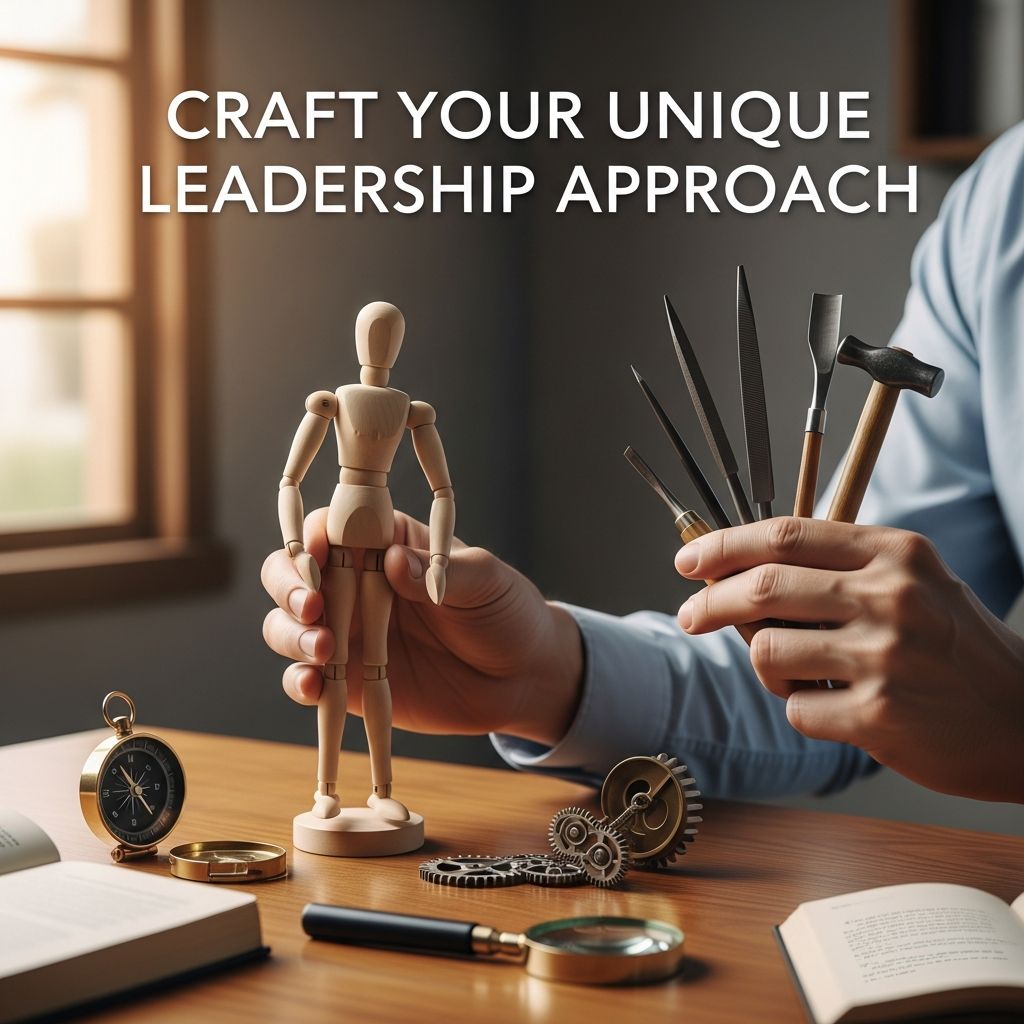
Craft Your Unique Leadership Approach
Effective leadership hinges on aligning your natural tendencies with the demands of your team and organization. By understanding various approaches and conducting honest self-evaluations, anyone can refine their style to inspire better outcomes and foster growth.
Why Your Leadership Style Matters
Leadership is not one-size-fits-all; it evolves with context, team dynamics, and personal strengths. A style that excels in crisis might falter in creative brainstorming sessions. Recognizing this allows leaders to switch gears fluidly, boosting morale, productivity, and innovation across diverse settings.
Research shows that adaptable leaders who match their approach to situations achieve higher team engagement and results. For instance, high-stakes environments benefit from decisive direction, while collaborative projects thrive on inclusive input.
Core Elements of Personal Leadership Identity
Building a strong foundation starts with self-awareness. Key traits like integrity, resilience, and communication form the bedrock of any effective style. Leaders who cultivate these qualities can pivot between approaches seamlessly.
- Self-Awareness: Knowing your strengths and blind spots prevents overreliance on one method.
- Emotional Intelligence: Reading team emotions guides when to coach or direct.
- Vision: A clear forward focus unites efforts toward shared goals.
Popular Leadership Approaches Explained
Several distinct styles have been identified through extensive studies. Each offers unique benefits and challenges, making them suitable for specific scenarios.
Directive Leadership
This approach involves clear commands and unilateral decisions, ideal for urgent situations requiring speed. Leaders exhibit confidence and consistency, ensuring structured progress.
| Pros | Cons |
|---|---|
| Fast resolutions in crises | Limits team input and creativity |
| Clear accountability chains | May demotivate skilled teams |
Collaborative Leadership
Emphasizing group input, this style invites ideas from all members, fostering ownership and innovation. It’s perfect for creative or problem-solving teams.
- Boosts engagement through participation.
- Encourages diverse perspectives.
- Requires confident facilitation to avoid delays.
Mentoring Leadership
Focused on individual growth, mentoring leaders provide personalized guidance, building skills for long-term success. They excel in empathetic, supportive environments.
Traits include compassion and strong listening, making it effective for close-knit groups pursuing common objectives.
Hands-Off Leadership
Granting autonomy, this method trusts teams to self-manage, suiting highly skilled, motivated groups. It promotes independence but demands clear initial goals.
Empowering Leadership
Prioritizing team well-being, empowering leaders listen deeply and resolve conflicts, creating harmonious units. They lead by example, earning respect through actions.
Inspirational Leadership
Visionaries paint bold futures, motivating through optimism and strategy. Best for change-driven organizations, they align teams around ambitious targets.
| Style | Best For | Key Trait |
|---|---|---|
| Directive | Crises | Decisiveness |
| Collaborative | Creative projects | Inclusivity |
| Mentoring | Skill-building | Empathy |
| Hands-Off | Expert teams | Trust |
| Empowering | Harmony-focused | Listening |
| Inspirational | Transformation | Vision |
Assessing Your Natural Leadership Tendencies
To pinpoint your style, use targeted self-reflection tools. Start with behavioral questions:
- Do you prefer solo decisions or group consensus?
- Are you more focused on immediate tasks or long-term development?
- How do you handle underperformance—direct correction or coaching?
Observe reactions in real scenarios: Do teams flourish under your guidance or seek more structure? Feedback from peers and subordinates reveals patterns.
Practical Assessment Steps
- Journal Experiences: Note successes and challenges in past roles.
- Seek 360 Feedback: Collect anonymous input on your impact.
- Test Scenarios: Simulate decisions in different styles.
- Track Outcomes: Measure team performance metrics pre- and post-adjustments.
Strategies to Refine and Blend Styles
No single style suffices forever. Mastery lies in hybridization—drawing from multiple approaches based on needs.
For example, blend directive clarity with mentoring support during transitions. Set boundaries: Use hands-off for routine tasks but intervene in risks.
- Practice flexibility through role-playing.
- Monitor team maturity; novices need more guidance.
- Invest in continuous learning via workshops or reading.
Overcoming Common Pitfalls
Avoid rigidity by recognizing overuse signs, like team disengagement from excessive control. Balance visionary goals with tactical execution to prevent oversight of details.
Implementing Changes for Lasting Impact
Transition gradually: Announce shifts transparently to build buy-in. Model behaviors consistently and celebrate adaptations that yield results.
Incorporate regular check-ins to gauge effectiveness. Adjust based on data, such as productivity dips or morale surveys.
Real-World Applications Across Industries
In tech startups, inspirational styles drive innovation amid uncertainty. Healthcare demands mentoring to nurture expertise under pressure. Corporate settings favor collaborative for cross-functional projects.
Adaptations ensure relevance: Military uses directive for precision, while education leans collaborative for engagement.
Frequently Asked Questions
What if my natural style doesn’t fit my team?
Adapt by incorporating elements from complementary styles, supported by training and feedback.
How often should I reassess my leadership approach?
Annually or after major changes like team expansions or role shifts.
Can introverts be effective leaders?
Yes, through thoughtful styles like mentoring, leveraging listening strengths.
Is there a ‘best’ leadership style?
No—context determines fit; versatility is key.
How does culture influence leadership styles?
Hierarchical cultures favor directive, while flat ones prefer collaborative.
Building a Legacy of Adaptive Leadership
Great leaders evolve continuously, turning self-knowledge into team empowerment. By crafting a flexible approach, you not only achieve goals but also develop others into future leaders. Commit to reflection and experimentation for sustained excellence.
References
- How to Determine What My Leadership Style Is — Harvard Professional Development. 2023. https://professional.dce.harvard.edu/blog/how-to-determine-what-my-leadership-style-is/
- 12 Essential Qualities of Effective Leadership — Center for Creative Leadership. 2023. https://www.ccl.org/articles/leading-effectively-articles/characteristics-good-leader/
- 8 Common Leadership Styles (Plus How To Find Your Own) — Indeed Career Advice. 2024. https://www.indeed.com/career-advice/career-development/10-common-leadership-styles
- Understanding Different Leadership Styles — National Society of Leadership and Success. 2023. https://www.nsls.org/understanding-different-leadership-styles
- Types of Leadership — South College Library. 2024. https://library.south.edu/leadership
- The 8 Most Common Leadership Styles — Creighton University. 2023. https://www.creighton.edu/blog/8-most-common-leadership-styles
Similar Articles







Read full bio of medha deb