Summer Stories: Crafting Your Breaktime Reflections
Unlock creativity and sharpen writing skills by transforming summer adventures into engaging personal narratives for school and beyond.
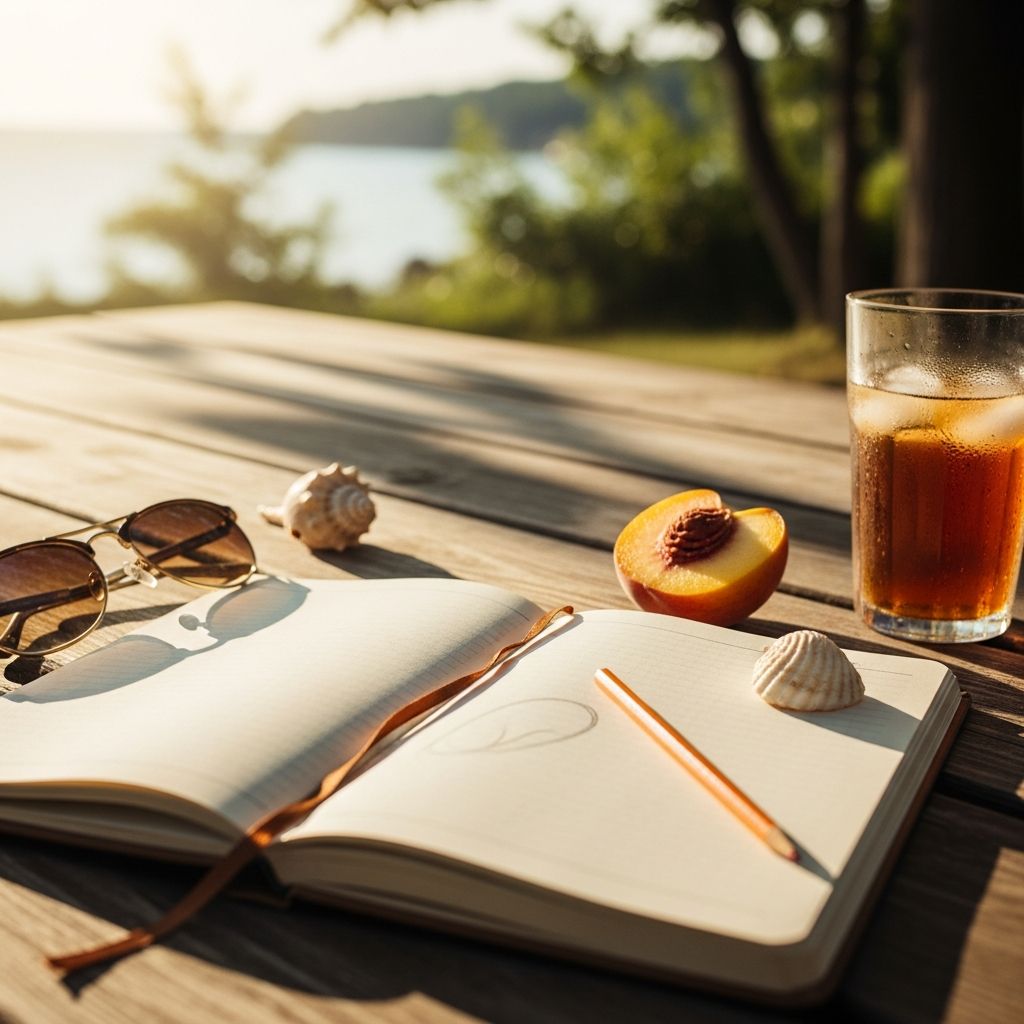
Summer breaks offer a treasure trove of experiences waiting to be captured in words. Whether it’s a family road trip, local explorations, or quiet days at home, these moments can form the basis of powerful personal essays. This guide provides fresh strategies to help students and writers alike turn fleeting memories into structured, vivid narratives that stand out in classrooms or portfolios.
Why Document Your Summer Adventures?
Capturing summer activities goes beyond homework—it’s a way to preserve joy, process emotions, and build storytelling skills. Research from educational psychologists highlights how reflective writing boosts memory retention and emotional intelligence. For instance, jotting down daily highlights reinforces positive experiences, making them last longer in your mind.
Teachers often assign these essays to ease students back into academic routines, encouraging them to connect personal events with descriptive language. But anyone can benefit: writers use summer downtime to spark new projects, while families strengthen bonds through shared storytelling sessions.
Brainstorming Your Summer Highlights
Start with a free-flowing list to avoid overwhelm. Grab a notebook or digital app and note every detail without judgment. Ask yourself:
- Where did I travel or explore new places?
- What new activities did I try, like sports, crafts, or hobbies?
- Who did I spend time with—family, friends, or solo adventures?
- What unexpected moments stood out, good or challenging?
- What foods, sounds, or sights linger in my memory?
Review photos, tickets, or journals for prompts. If summer felt routine, dig deeper: a neighborhood bike ride might reveal community quirks or personal growth. Aim for 20-30 items; this raw material fuels your story.
Infusing Sensory Details for Vivid Imagery
To elevate a basic recap into an immersive tale, layer in the five senses. Instead of ‘We went to the beach,’ describe the salty tang of ocean spray, the gritty sand between toes, the rhythmic crash of waves, the scent of sunscreen mixed with seaweed, and the warmth of sun-kissed skin.
| Sense | Example from Summer | How to Use in Writing |
|---|---|---|
| Sight | Golden sunsets over the lake | Paint colors and lights to set mood |
| Sound | Crickets chirping at dusk | Build atmosphere or tension |
| Smell | Freshly baked pies at a fair | Evoke nostalgia or hunger |
| Taste | Tangy lemonade on a hot day | Connect to emotions or refreshment |
| Touch | Cool river water rushing past | Make scenes tangible |
Practice short bursts: set a 10-minute timer and describe one memory sensorily. This technique, recommended by writing coaches, transforms flat reports into engaging reads.
Layering Emotions and Personal Insights
Surface-level facts bore readers; reflections reveal your growth. Probe deeper with questions like:
- How did this experience change my view of family or independence?
- What fears did I conquer, like trying a new sport?
- What made me laugh hardest or feel most proud?
- If I could relive one day, what and why?
- What lessons will I carry into the new school year?
For example, a camping trip might shift from ‘We hiked’ to ‘Overcoming my fear of heights on that steep trail taught me resilience.’ This personal angle makes essays authentic and relatable.
Structuring Your Narrative for Maximum Impact
A strong essay follows a clear arc: introduction, body, and conclusion. Hook readers with a dramatic moment, like ‘The storm hit just as our tent collapsed.’
- Introduction: Set the scene and thesis—your summer’s theme, e.g., ‘discovery through travel.’
- Body Paragraphs: Chronological or thematic chunks, each with sensory details and reflections. Use transitions like ‘Little did I know, that changed everything.’
- Conclusion: Tie back to growth, ending with forward-looking insight.
Keep it 500-800 words for school; edit ruthlessly for flow. Read aloud to catch awkward phrasing.
Fun Variations to Spice Up the Essay
Avoid monotony with creative twists:
- Letter Format: Write as a postcard to a friend abroad.
- Dialogue-Driven: Recreate conversations from the trip.
- Compare/Contrast: This summer vs. last, highlighting evolution.
- Poetic Elements: Incorporate metaphors, like ‘The fireworks exploded like my bursting excitement.’
- Multimedia: Pair with drawings or photos for presentations.
These keep writing fresh and showcase versatility.
Overcoming Common Writing Hurdles
Stuck? Try prompts: ‘The best/worst part was…’ or ‘One word to sum up summer: ______ because…’
Procrastination hits hard post-vacation; break into 15-minute sessions. If details fade, interview family for fresh angles. Perfectionism? First drafts are messy—revise later.
For non-writers, voice-to-text apps capture thoughts quickly.
Group and Family Writing Activities
Make it collaborative: host a ‘summer share’ evening where each person contributes a paragraph to a family anthology. Kids love illustrating entries, turning essays into keepsakes.
In classrooms, peer reviews build skills—swap drafts for feedback on details and clarity.
Boost Skills with Summer Writing Challenges
Extend the fun with structured prompts. Programs like daily email challenges provide bite-sized tasks, honing discipline. Virtual camps encourage novel drafting amid breaks.
Track progress in a journal; by August, you’ll have a portfolio of polished pieces.
Frequently Asked Questions
What if my summer was boring?
Everyday moments hold stories—focus on small wins like mastering a recipe or stargazing epiphanies. Reframe ‘boring’ as peaceful growth.
How long should my essay be?
Aim for 400-600 words unless specified; quality trumps quantity with tight editing.
Can I include photos?
Yes, for digital submissions or presentations, but ensure the writing stands alone.
What makes a great hook?
A surprising fact, question, or vivid image pulls readers in immediately.
How do I end strongly?
Reflect on lasting impact, circling back to your intro for closure.
Preserving Memories Year-Round
Beyond essays, start a summer tradition: annual recaps evolve into time capsules. Share online (with privacy) for feedback, or submit to contests for recognition.
Ultimately, these reflections celebrate life’s simple joys, fostering gratitude and creativity that last all year.
References
- National Writing Project Guidelines — National Writing Project. 2023-08-15. https://archive.nwp.org/cs/public/print/resource/402
- Reflective Writing in Education — U.S. Department of Education. 2024-02-10. https://www2.ed.gov/rschstat/research/pubs/reflective-writing.pdf
- Creative Writing Prompts for Students — Purdue University OWL. 2025-01-20. https://owl.purdue.edu/owl/subject_specific_writing/creative_writing/index.html
- Journalism Education Handbook — Society of Professional Journalists. 2024-11-05. https://www.spj.org/spjhandbook.asp
- Child Development and Storytelling — American Psychological Association. 2023-06-12. https://www.apa.org/pubs/journals/releases/dev-dev0001523.pdf
Similar Articles








Read full bio of Sneha Tete