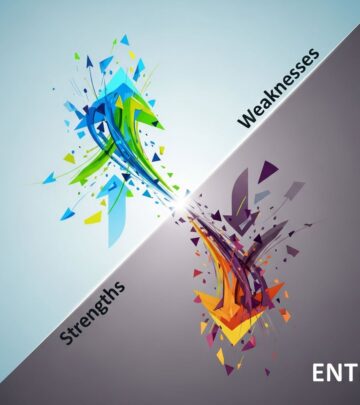
ENTJ Personality: Strengths, Weaknesses & Growth
Understanding the ENTJ Commander: How ambition, logic, and leadership shape their world.

The Driving Force Behind the ENTJ Mind
Among the sixteen personality types in the Myers-Briggs framework, the ENTJ—often called the Commander—stands out for its relentless drive, sharp logic, and natural authority. These individuals are not content with simply going along; they want to shape outcomes, lead teams, and build systems that work efficiently. Their energy is outward-facing, their thinking is structured, and their decisions are guided by a clear vision of what should be done and how to do it.
ENTJs are the architects of progress. They thrive in environments where goals are defined, challenges are complex, and results matter. Whether in business, politics, or any field that rewards strategic planning and decisive action, ENTJs often rise to positions of influence. But like any personality type, their greatest strengths can also become their most significant blind spots if not consciously managed.
Core Strengths That Define the ENTJ
What makes the ENTJ so effective in leadership and high-pressure roles? It’s a combination of innate traits that, when aligned with purpose, create a powerful force for change and achievement.
1. Unwavering Confidence and Decisiveness
ENTJs operate with a high degree of self-assurance. They trust their ability to analyze situations, weigh options, and make firm decisions. This confidence isn’t just internal—it’s visible in how they speak, act, and take charge. When others hesitate, the ENTJ is often the one who steps forward, sets direction, and expects others to follow.
This decisiveness is especially valuable in crisis or uncertainty. While some personalities may stall, seeking more information or consensus, the ENTJ is comfortable acting with incomplete data if it means moving forward. They see indecision as a form of failure and prefer to correct course later rather than remain stuck.
2. Strategic Vision and Long-Term Thinking
ENTJs are big-picture thinkers. They don’t just solve today’s problem; they ask how today’s solution fits into the larger plan. They naturally map out future scenarios, anticipate obstacles, and design systems that can scale over time.
This strategic mindset makes them excellent planners and organizers. They can see how different pieces of a project or organization connect and how changes in one area will affect others. Their ability to think several steps ahead allows them to stay ahead of competitors and adapt quickly when conditions change.
3. High Energy and Productivity
ENTJs are energized by action and achievement. They don’t just tolerate busy schedules—they thrive on them. A packed day full of meetings, decisions, and progress is often more motivating than a quiet, low-demand day.
Their energy is contagious. When an ENTJ is fully engaged, they can inspire teams to push harder, work smarter, and aim higher. They set ambitious goals and expect others to match their level of commitment, which can be both motivating and, at times, demanding for those around them.
4. Natural Leadership and Influence
Leadership comes naturally to ENTJs. They are comfortable taking charge, setting direction, and holding others accountable. They don’t need to be formally appointed as leaders to step into that role; their presence, clarity, and confidence often draw others to follow.
They are persuasive communicators who can rally people around a shared vision. Whether in a boardroom, a classroom, or a community group, ENTJs are often the ones who articulate the goal, assign roles, and drive execution. Their ability to see both the strategic and operational levels makes them effective at both high-level planning and day-to-day management.
5. Strong Will and Resilience
ENTJs are not easily discouraged. When they commit to a goal, they are determined to see it through, even in the face of setbacks or resistance. They view obstacles as challenges to be overcome, not reasons to give up.
This resilience is rooted in their belief in their own competence and in the power of rational planning. They trust that with enough effort, intelligence, and persistence, any problem can be solved. This mindset helps them stay focused and motivated, even when others might have already walked away.
Common Challenges and Blind Spots
While the ENTJ’s strengths are impressive, they also come with predictable weaknesses. These are not flaws in character, but rather natural tendencies that, if left unchecked, can undermine relationships, limit growth, and reduce long-term effectiveness.
1. Overconfidence and Arrogance
The same confidence that makes ENTJs effective leaders can sometimes cross into arrogance. When they are certain of their logic and vision, they may dismiss alternative viewpoints, especially if those views are based on emotion, intuition, or values rather than data and efficiency.
They may unintentionally come across as condescending or dismissive, particularly toward people who are more cautious, reflective, or emotionally expressive. This can create friction in teams and damage trust, even when the ENTJ’s intentions are purely about achieving the best outcome.
2. Impatience with Slower Paces
ENTJs think and act quickly. They process information rapidly and expect others to do the same. When someone takes time to reflect, seek consensus, or express concerns, the ENTJ may interpret this as indecisiveness, lack of competence, or even resistance.
This impatience can lead to frustration, rushed decisions, and a failure to fully consider all perspectives. It can also make others feel pressured, undervalued, or afraid to speak up, which ultimately weakens team performance and innovation.
3. Difficulty with Emotional Nuance
ENTJs are wired to prioritize logic, efficiency, and results over emotional considerations. While they can be supportive and fair in relationships, they often struggle with emotional expression and emotional intelligence.
They may downplay or dismiss their own feelings, seeing them as distractions from the task at hand. Similarly, they may overlook or minimize the emotional needs of others, especially in high-pressure situations. This can lead to misunderstandings, hurt feelings, and a perception of coldness or insensitivity, even when the ENTJ genuinely cares.
4. Tendency Toward Dominance and Control
ENTJs are natural leaders, but this can sometimes manifest as a need to control outcomes and processes. They may struggle to delegate fully, fearing that others won’t meet their standards or execute the vision correctly.
This desire for control can make them appear domineering or micromanaging, especially in collaborative environments. They may unintentionally stifle creativity and autonomy in others, which can reduce engagement and long-term loyalty, even if short-term results are strong.
5. Resistance to Emotional or Non-Logical Inputs
Because ENTJs value rationality and efficiency, they may be skeptical of ideas or decisions that are based primarily on emotion, tradition, or personal values. They may see such inputs as irrational or irrelevant to the core goal.
While this focus on logic can lead to highly effective solutions, it can also cause them to overlook important human factors—such as morale, culture, and personal well-being—that are critical to sustainable success. Ignoring these elements can lead to burnout, turnover, and a lack of genuine buy-in from teams.
How ENTJs Can Grow and Evolve
Personal and professional growth for the ENTJ is less about changing who they are and more about expanding their range. By becoming more aware of their blind spots and intentionally developing complementary skills, they can become even more effective and well-rounded leaders.
1. Cultivating Emotional Intelligence
One of the most valuable areas of growth for ENTJs is emotional intelligence. This doesn’t mean becoming more emotional, but rather becoming more aware of emotions—both their own and others’—and learning how to respond to them constructively.
Simple practices like pausing before reacting, asking how others are feeling, and reflecting on their own emotional patterns can make a big difference. Over time, this helps them build stronger relationships, communicate more effectively, and create environments where people feel valued and heard.
2. Practicing Active Listening and Humility
ENTJs are excellent at articulating their views, but they can improve by becoming better listeners. This means genuinely seeking to understand others’ perspectives, even when they disagree, and being open to the possibility that they might be wrong.
Practicing humility—acknowledging mistakes, giving credit to others, and admitting when they don’t have all the answers—can significantly improve their credibility and influence. People are more willing to follow a leader who is confident but also humble and approachable.
3. Learning to Delegate and Trust Others
ENTJs often feel that if they want something done right, they need to do it themselves. While this can ensure high standards, it also creates bottlenecks and prevents others from growing.
By learning to delegate effectively—setting clear expectations, providing support, and allowing room for others to make decisions—they can scale their impact and develop stronger teams. Trusting others to contribute in their own way, even if it’s different from the ENTJ’s preferred method, is a key step in becoming a more empowering leader.
4. Balancing Speed with Reflection
ENTJs are at their best when they combine their natural decisiveness with moments of reflection. Rushing to action without sufficient input or consideration can lead to avoidable mistakes and resistance.
Building in time to gather diverse perspectives, consider long-term implications, and assess the human impact of decisions can lead to more sustainable and widely supported outcomes. This doesn’t mean becoming indecisive, but rather making more informed and balanced choices.
5. Valuing Different Ways of Thinking
ENTJs naturally respect competence, logic, and efficiency. Growth comes from also learning to value other strengths—such as empathy, creativity, patience, and collaboration—even when they don’t align perfectly with the ENTJ’s own style.
Recognizing that different people contribute in different ways allows them to build more diverse, resilient, and innovative teams. It also helps them avoid the trap of surrounding themselves only with people who think and act exactly like they do.
ENTJs in Relationships and Work
Understanding how ENTJs operate in different contexts can help both ENTJs and those around them build more productive and fulfilling interactions.
In the Workplace
- ENTJs excel in roles that require strategic planning, leadership, and decision-making.
- They thrive in environments with clear goals, measurable outcomes, and opportunities for advancement.
- They are most effective when they can focus on long-term vision while also managing execution.
- They may struggle in highly bureaucratic, slow-moving, or micromanaged environments.
In Personal Relationships
- ENTJs are often loyal, supportive, and committed partners and friends.
- They show care through action—solving problems, providing resources, and helping others achieve their goals.
- They may need to work on expressing affection verbally and being more attuned to emotional needs.
- They value honesty, accountability, and shared ambition in relationships.
When ENTJs Are at Their Best
ENTJs are at their peak when they:
- Use their strategic vision to create meaningful, long-term impact.
- Lead with confidence while remaining open to feedback and alternative ideas.
- Balance their drive for results with genuine care for people and relationships.
- Recognize that strength also includes flexibility, empathy, and the ability to adapt.
In these moments, they are not just effective leaders—they are inspiring, respected, and capable of bringing out the best in everyone around them.
Frequently Asked Questions (FAQs)
Q: What careers suit ENTJs best?
A: ENTJs often excel in leadership and strategic roles such as executives, entrepreneurs, project managers, consultants, lawyers, and senior government or military positions. They thrive in environments that reward initiative, decision-making, and long-term planning.
Q: Are ENTJs good at teamwork?
A: Yes, but in a specific way. ENTJs are excellent at organizing teams, setting direction, and driving results. They may struggle if they dominate too much or dismiss others’ input, but when they learn to collaborate and empower others, they can be highly effective team leaders.
Q: How can ENTJs improve their relationships?
A: ENTJs can strengthen relationships by practicing active listening, expressing appreciation more openly, being patient with emotional discussions, and making time for connection beyond problem-solving and goal-setting.
Q: Do ENTJs care about people?
A: Yes, but they often show care through action rather than words. They support others by helping them succeed, solving problems, and creating opportunities. With awareness, they can also become more expressive and emotionally present in relationships.
Q: Can ENTJs change their personality?
A: Personality type is a stable pattern of preferences, but people can grow and develop new skills. ENTJs can’t become naturally more emotional or less decisive, but they can learn to manage their tendencies, improve emotional intelligence, and become more balanced leaders over time.
References
- Myers-Briggs Type Indicator® (MBTI®) Manual — The Myers & Briggs Foundation. 1998. https://www.themyersbriggs.com/en/tools/MBTI/MBTI-personality-Types/ENTJ
- ENTJ Personality Type: The Commander — Simply Psychology. 2023. https://www.simplypsychology.org/entj-personality.html
- 10 Characteristics of the Commander Personality Type (ENTJ) — Calm Blog. 2023. https://www.calm.com/blog/entj
Similar Articles







Read full bio of Sneha Tete