Mastering Art in Your Homeschool Journey
Unlock creativity at home: Practical strategies, resources, and inspiration for teaching art effectively in your homeschool routine.
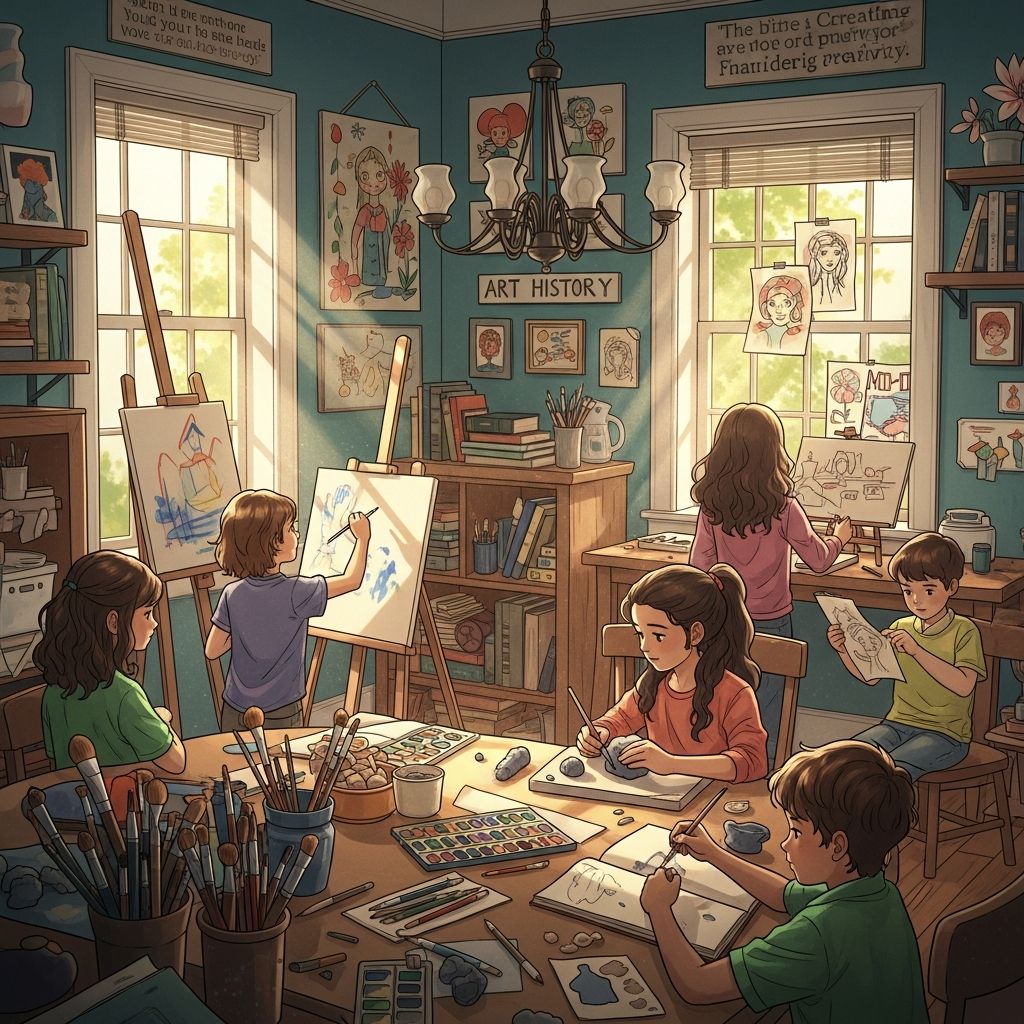
Integrating art into homeschooling enriches the learning experience by fostering creativity, fine motor skills, and cultural awareness. This guide provides actionable strategies to make art a seamless part of your curriculum, suitable for parents without artistic backgrounds.
Why Prioritize Art in Homeschool Education
Art transcends traditional subjects, enhancing cognitive development and emotional expression. Studies show that engaging in visual arts improves problem-solving and retention in core areas like math and history. For homeschoolers, it offers flexibility to tailor lessons to individual interests and paces.
Children benefit from art by developing spatial reasoning and self-confidence. Even brief sessions can reduce stress and boost focus during other studies. Parents often worry about lacking expertise, but structured approaches and resources eliminate this barrier.
Blending Art Across Your Core Curriculum
Transform art from a standalone subject into a supportive tool for other disciplines. Link drawing to history by sketching ancient artifacts or use color theory in science experiments on light refraction.
- History Integration: Recreate timelines visually with murals depicting eras like the Renaissance.
- Science Connection: Illustrate plant life cycles or dissect diagrams of the solar system.
- Language Arts Tie-In: Design book covers or character portraits from literature.
- Math Visualization: Graph patterns or geometric shapes through tessellations.
This method maximizes time efficiency while deepening understanding. For example, during a unit on Egyptian culture, students can craft hieroglyphic-inspired collages, reinforcing historical facts through creation.
Mess-Free Art Adventures for Busy Homes
Concerns about cleanup shouldn’t deter art exploration. Opt for portable, contained activities that fit any space.
| Activity | Materials Needed | Benefits | Age Range |
|---|---|---|---|
| Pencil Sketching | Sketchbook, pencils, erasers | Portable, no drying time | All ages |
| Colored Pencil Mandalas | Colored pencils, graph paper | Calming, teaches symmetry | 5+ |
| Marker Doodles | Fine-tip markers, cardstock | Quick results, vibrant | 4+ |
| Collage with Magazines | Old magazines, glue sticks | Recycles materials | 6+ |
These options require minimal setup. Designate a ‘art station’ with washable surfaces and store supplies in clear bins for easy access. Start with 15-minute sessions to build habits without overwhelming your day.
Curated Online Resources for Guided Learning
Leverage digital platforms for expert-led instruction. Many offer video tutorials that model techniques step-by-step, ideal for visual learners.
- YouTube Channels: Free introductory lessons on basics like shading and perspective.
- Subscription Boxes: Monthly kits deliver supplies and projects, sparking excitement.
- Virtual Co-ops: Zoom-based group classes for social interaction and feedback.
For structured progression, platforms like Yellow Spot Sun provide over 60 pre-recorded courses with new content added regularly. Lessons cover drawing, painting, and mixed media, taught by experienced educators. Families appreciate the flexibility to pause and rewind.
Lily and Thistle Watercolor School excels in beginner-friendly videos. Their foundations course builds skills weekly, with projects like floral designs that yield professional results. Lifetime access ensures long-term value.
Structured Curricula Tailored for Homeschoolers
Ready-made programs simplify planning. Classical Art at Home offers live Zoom sessions Tuesdays at 2:30 EST, plus on-demand videos incorporating art history. Lessons fit 40-minute slots, perfect for busy schedules.
Master Books’ Living Art Lessons explores seven elements—line, shape, color—through nature observation. It’s hands-on and ties into everyday surroundings, making it accessible.
ChalkPastels provides middle and high school courses emphasizing personal artistry. Students create portfolios showcasing growth in techniques like pastels and digital sketching.
Hands-On Project Ideas by Skill Level
Beginner Projects (Ages 4-7)
- Leaf Rubbings: Place leaves under paper and crayon over for texture exploration.
- Fingerpaint Emotions: Mix colors to represent feelings, discussing hues.
- Shape Monsters: Cut and glue shapes into silly creatures.
Intermediate Projects (Ages 8-12)
- Styrofoam Prints: Etch designs, ink, and press for multiples.
- Watercolor Resist: Crayon drawings revealed by paint washes.
- Recycled Sculptures: Build with cardboard and tape.
Advanced Projects (Ages 13+)
- Portrait Studies: Use mirrors for self-portraits with shading.
- Landscape Compositions: Layer acrylics for depth.
- Abstract Expressions: Experiment with non-dominant hand for freedom.
Rotate projects weekly, documenting progress in a family art journal. This builds a visual record of improvement.
Scheduling Art Without Overload
Incorporate art during peak energy times, like mornings. Dedicate 30-45 minutes thrice weekly, aligning with subjects like literature for illustration tie-ins.
Charlotte Mason enthusiasts schedule ‘afternoon instruction’ with external help, but solo parents thrive with morning blocks. Track via simple planners: Monday watercolor, Wednesday drawing.
Building Confidence as a Homeschool Art Guide
No art degree required—focus on process over perfection. Model enthusiasm by creating alongside kids. Praise effort: ‘I love how you layered those colors!’
Display work rotationally to celebrate milestones. Field trips to museums amplify inspiration, even virtually.
Frequently Asked Questions
What if my child lacks artistic talent?
Art nurtures unique expression, not replication. Emphasize enjoyment; skills develop with practice.
How do I handle messy supplies?
Choose contained mediums or use trays with newspaper. Clean as you go for sustainability.
Are online classes worth the cost?
Yes, for guided expertise. Start free, upgrade for depth like lifetime watercolor access.
Can art fit tight schedules?
Absolutely—short, integrated bursts yield big gains without dedicated hours.
What supplies to buy first?
Basics: sketchbooks, pencils, washable markers, crayons. Expand as interests grow.
Showcasing and Extending Art Experiences
Host home galleries or share online portfolios. Challenges like ’10-minute sketches’ or ‘found object art’ keep momentum. Collaborate on murals for family bonding.
Visit local exhibits or join co-ops for peer feedback. These steps cultivate lifelong appreciation.
References
- How to Homeschool Art — North Carolinians for Home Education. 2023-05-15. https://nche.com/blog-how-to-homeschool-art/
- Homeschool Art Lessons: A Realistic Guide — Joy Cherrick, However Imperfectly. 2024-02-10. https://howeverimperfectly.substack.com/p/homeschool-art-lessons-a-realistic
- Our Favorite Homeschool Art Curriculum — Mandy Maltz, By Mandy Maltz. 2023-11-20. https://bymandymaltz.com/blog/homeschool-art-curriculum-yellow-spot-sun
- Boost Learning with Homeschool Art — Free Range Art. 2024-01-08. https://www.freerangeart.org/post/incorporating-art-into-your-homeschool-curriculum
- Classical Art at Home — McEvoy Atelier. 2025-03-01. https://www.classicalartathome.com
Similar Articles





Read full bio of Sneha Tete