What Hospitality Work Teaches You About Every Career
Discover how front-of-house chaos, demanding guests, and long shifts quietly build the most valuable career skills you will ever use.
How Hospitality Experience Supercharges Any Career
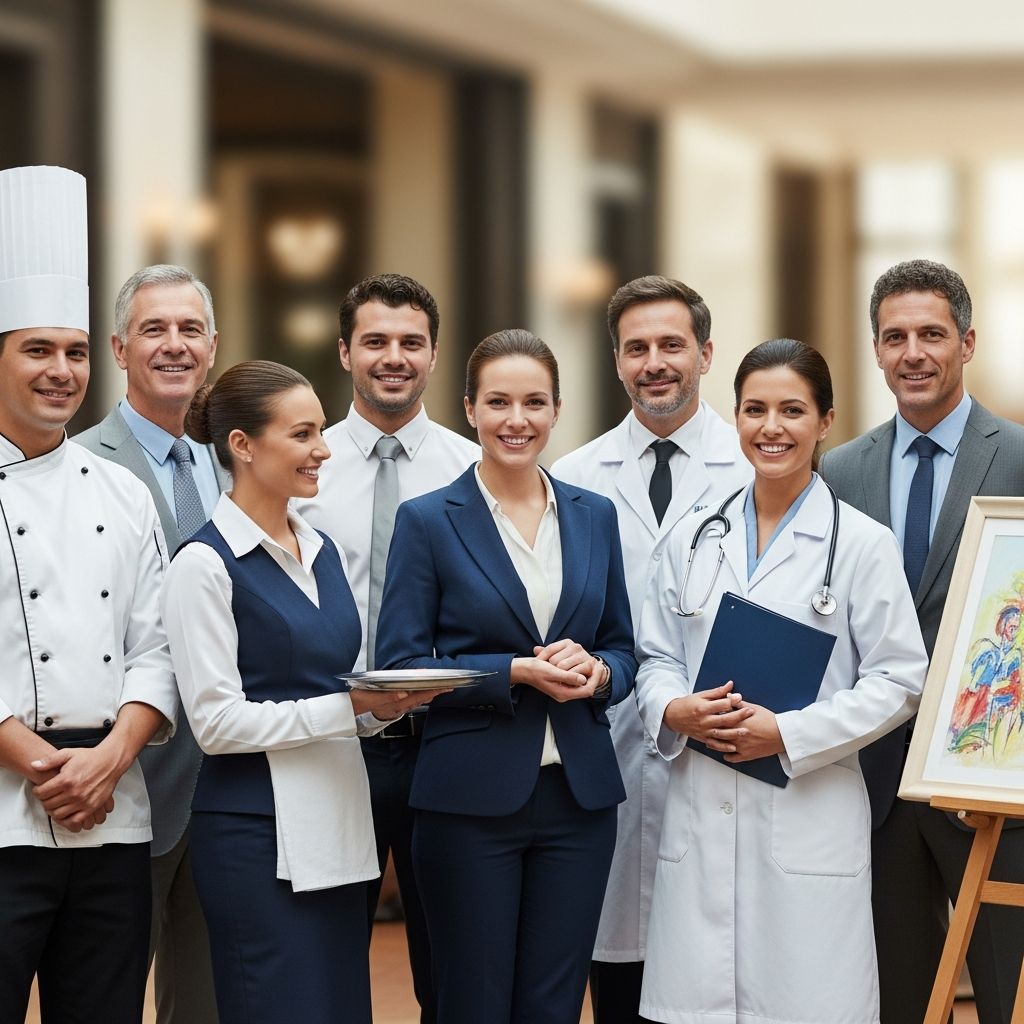
Hospitality jobs are often dismissed as temporary or “starter” roles, but the reality is far more powerful: working with guests, teams, and high-pressure situations builds a toolkit of transferable skills that employers across industries actively seek.
From customer service to crisis management, the habits you develop while serving tables, managing a front desk, or organizing events can give you a long-term advantage in any profession—from tech and healthcare to consulting and entrepreneurship.1
Why Hospitality Is a Training Ground for Real-World Skills
The broader hospitality, events, and tourism field includes lodging, food and beverage, travel, and event services, all centered on creating positive experiences for people.5 This focus on people makes hospitality an ideal environment to develop:
- High emotional intelligence—recognizing and responding to others’ emotions in real time
- Strong communication—adapting tone and language to guests, colleagues, and managers
- Cross-cultural competence—interacting with people from many countries and backgrounds3
- Resilience under pressure—keeping composure during peak service times or difficult situations
As technology increasingly automates routine tasks, employers place higher value on these complex human skills that are hard to digitize.3
Core Lessons Hospitality Teaches About Work
Hospitality work delivers specific, practical lessons that extend far beyond the industry itself. Below are key takeaways and how they translate into other careers.
1. Service Mindset: Anticipating Needs Before They’re Spoken
In hospitality, the best professionals learn to read subtle cues—body language, tone, pacing—to anticipate what guests need before they ask. This proactive approach is the foundation of a service mindset.
In any field, this translates into:
- Identifying client concerns before they escalate
- Preparing materials or answers before a meeting
- Designing products, services, or processes around user needs
Research in customer experience shows that organizations that consistently deliver high-quality service build stronger loyalty and competitive advantage, making these skills highly valued beyond hospitality.1
2. Emotional Intelligence: Handling People, Not Just Tasks
Hospitality exposes you to a full spectrum of human behavior—stressed travelers, excited wedding parties, tired families, demanding diners. Navigating this teaches you to:
- Regulate your own reactions when emotions run high
- Empathize with people whose day has gone off-track
- Adjust communication style based on the person in front of you
Emotional intelligence is increasingly recognized as critical to workplace performance, especially as automation handles more routine tasks while humans focus on relationship-building and problem-solving.3
3. Communication Under Pressure
During a busy dinner service or a sold-out conference, you must be clear, concise, and calm. There is no time for vague instructions or unclear requests.
Hospitality teaches you to:
- Give fast, accurate verbal instructions to colleagues
- Deliver bad news (like delays or sold-out items) without escalating tension
- Listen carefully and confirm understanding before acting
These skills transfer directly to project management, healthcare, tech, and any role where miscommunication can be costly.
4. Time Management and Prioritization
In hospitality, tasks rarely arrive one at a time. You juggle multiple tables, guests, tickets, or check-ins simultaneously. You quickly learn how to:
- Triaging tasks—what must be done now, what can wait
- Divide complex tasks into smaller, manageable actions
- Adapt when unexpected issues disrupt your plan
Time management is consistently identified as a key competency in hospitality and tourism careers, forming part of many education and training programs in this field.1
5. Problem-Solving When Things Go Wrong
Few workplaces present as many unpredictable situations as a restaurant or hotel. Orders are lost, systems fail, events run late, or rooms are double-booked. You learn to:
- Stay calm in front of guests, even when you’re scrambling internally
- Offer alternatives, not excuses
- Coordinate with multiple departments to fix issues quickly
This practical problem-solving experience builds confidence for roles like operations, logistics, product management, and event planning—where surprises are normal.
Transferable Skills: How Hospitality Maps to Other Careers
Hospitality experience develops a set of transferable skills prized across industries. Many hospitality education programs explicitly emphasize these capabilities because they remain valuable even if graduates move into different sectors.15
| Skill from Hospitality | What It Looks Like on the Job | How It Applies in Other Fields |
|---|---|---|
| Customer Service Excellence | Managing complaints, delivering memorable experiences | Client-facing roles in sales, consulting, support, and healthcare |
| Teamwork and Coordination | Working with kitchen, front desk, housekeeping, or event teams | Cross-functional projects in tech, operations, and corporate roles |
| Adaptability | Handling last-minute changes, staffing issues, or rush periods | Dynamic environments like startups, emergency services, or trading |
| Cultural Awareness | Serving international guests with different norms and expectations | Global business, diplomacy, education, and remote-first companies3 |
| Technical Comfort | Using booking engines, POS systems, or event software | Adopting digital tools in marketing, HR, analytics, and operations3 |
Modern Trends: What Today’s Hospitality Teaches About the Future of Work
Current trends in hospitality mirror broader changes in the global workforce—especially around technology, personalization, and sustainability.23
1. Working Alongside Technology
Today’s hospitality professionals increasingly use digital systems such as property management platforms, contactless technologies, and analytics tools to enhance guest experiences.24 Learning to work alongside technology instead of resisting it teaches you to:
- Adopt new tools quickly
- Use data to make more informed decisions
- Blend human judgment with automated systems
These abilities are essential in any modern career, as digital tools and AI become standard parts of daily work.3
2. Personalization and User-Centered Thinking
Hospitality has shifted toward personalized experiences—tailored menus, room preferences, or event details—driven by guest data and feedback.2 Working in this environment trains you to:
- Think from the user or client perspective first
- Segment different audiences and adapt experiences accordingly
- Use small touches to create a sense of being “seen” and valued
Product designers, marketers, educators, and healthcare professionals all benefit from this user-centered way of thinking.
3. Sustainability and Responsible Operations
Many hospitality organizations now emphasize sustainable practices—reducing waste, conserving energy, and sourcing responsibly.2 Being part of these efforts teaches you to:
- Balance guest expectations with environmental impact
- Follow policies that align with broader organizational values
- Communicate sustainability initiatives clearly and honestly
These skills translate directly to corporate sustainability roles, supply chain management, and any organization aiming to align operations with environmental and social goals.
Turning Hospitality Experience into Career Capital
To capture the full value of your hospitality background, you need to present it in a way that people in other industries can immediately understand.
Translate Your Experience for Resumes and Interviews
Instead of focusing only on job titles, highlight the skills and results:
- Quantify impact (e.g., number of guests served, satisfaction scores, sales growth)
- Describe complexity (e.g., peak seasons, large events, VIP clients)
- Emphasize leadership (e.g., training new staff, coordinating shifts, resolving conflicts)
Education organizations and career development programs often recommend emphasizing these transferable competencies when shifting out of hospitality.58
Build on Your Strengths with Further Learning
If you want to move within or beyond hospitality, consider strengthening your profile with:
- Short courses in business, data, or digital marketing
- Hospitality management or tourism-related degrees that deepen your understanding of finance, HR, and strategy1
- Online training programs focused on service skills, technology tools, or leadership development7
Many programs are designed to build on practical experience, allowing you to connect what you have learned on the job with formal frameworks and credentials.
Mindset Shifts: Seeing Hospitality as a Launchpad, Not a Dead End
The most important lesson hospitality offers may be mindset-related: understanding that challenging work with people is a career accelerator, not something to “escape” as quickly as possible.
Hospitality can help you:
- Develop humility about service—realizing no role is beneath you when it contributes to a shared goal
- Recognize your own capacity to handle pressure and uncertainty
- Discover whether you are energized by people-centric work or prefer more behind-the-scenes roles
Those insights guide smarter career decisions in the long term, regardless of where you end up next.
Frequently Asked Questions (FAQs)
Is hospitality experience respected outside the industry?
Yes. Employers in fields like sales, operations, healthcare, education, and tech often value hospitality backgrounds because they signal strong interpersonal skills, resilience, and a proven ability to work in demanding environments.8
How can I describe my hospitality job if I want to move into an office role?
Focus on transferable outcomes: coordinating teams, managing high volumes of work, solving customer issues, using digital systems, and meeting performance targets. Translate jargon into language that fits the target industry.
Do I need a hospitality degree to benefit from these skills?
No. On-the-job experience is highly valuable. However, formal education in hospitality or related fields can deepen your understanding of business operations, strategy, and leadership if you want to advance into management roles.1
What kinds of careers can hospitality lead to?
Beyond hotels and restaurants, hospitality experience can lead to roles in events, tourism, corporate services, customer success, HR, travel, and even entrepreneurship, where service and people management are central.25
How can I keep growing while still working in hospitality?
Seek opportunities to take on responsibility—training new staff, managing shifts, improving processes, or helping with events. Combine this with short courses or certifications in areas like digital tools, analytics, or leadership to broaden your options.37
References
- Hotel Management Degree Guide 2025: Curriculum & Global Careers — Educatly. 2025-01-10. https://www.educatly.com/blog/829/hotel-management-degree-2025-curriculum-and-careers
- Emerging Trends in Hospitality Management Careers for 2025 — Landmark Hotel Group. 2024-11-05. https://www.landmarkhotelgroup.com/blog/emerging-trends-in-hospitality-management-careers-for-2025/
- Hospitality Jobs: Essential Skills in 2025! — HRC International. 2024-03-18. https://hrc-international.com/essential-hospitality-skills-2025/
- Hospitality & Tourism Management 2025: Ultimate Career Guide — YouTube (transcript). 2024-06-12. https://www.youtube.com/watch?v=BiE304LTQBA
- Hospitality, Events & Tourism Career Cluster — Advance CTE. 2023-09-01. https://careertech.org/career-clusters/hospitality-events-tourism/
- Skills Builder — IHG Academy — InterContinental Hotels Group. 2023-05-30. https://careers.ihg.com/en/academy/skills-builder/
- Careers in Hospitality: A Chance to Shine — Washington State University, Academic Success and Career Center. 2025-04-22. https://ascc.wsu.edu/blog/2025/04/22/careers-in-hospitality-a-chance-to-shine/
Similar Articles





Read full bio of medha deb