How to Address a Cover Letter the Right Way
Master the first line of your cover letter so you sound polished, professional, and genuinely interested in the role.
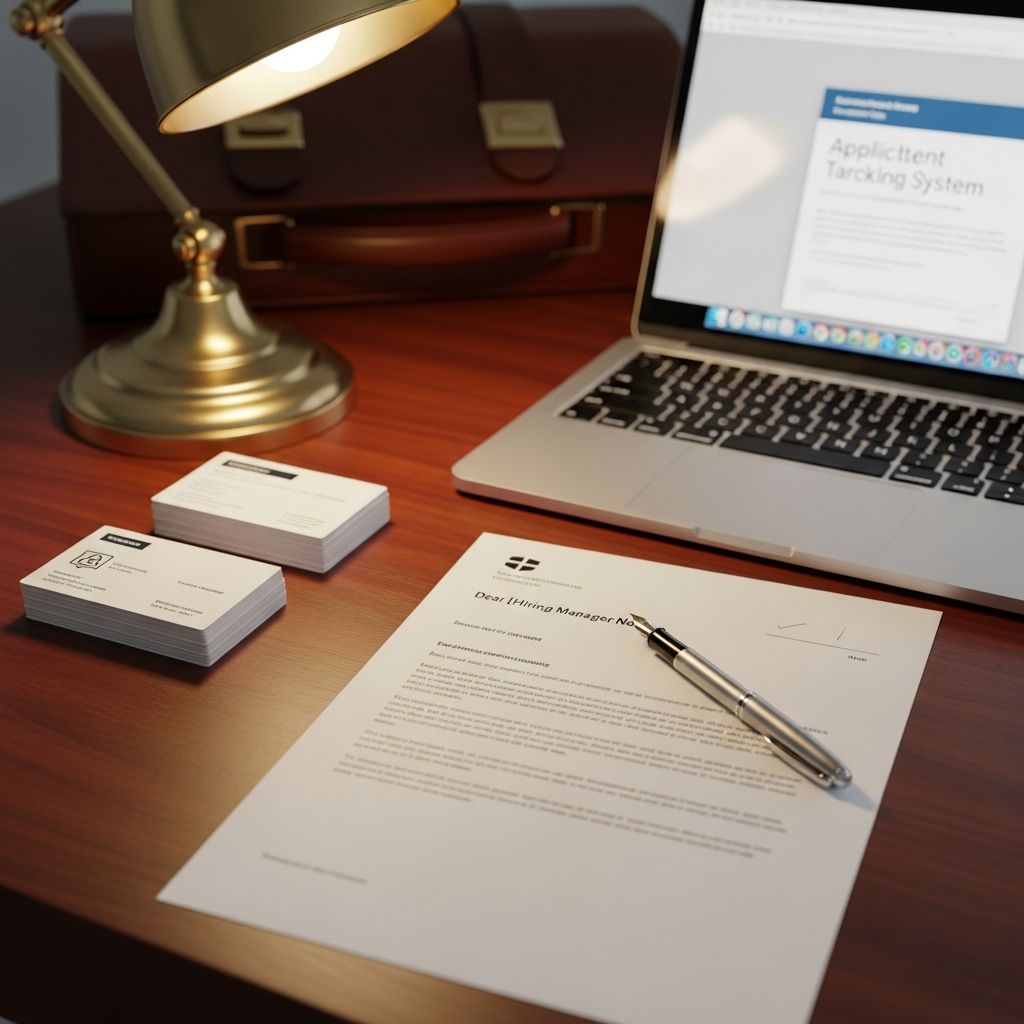
Before a recruiter reads a single sentence of your cover letter, they see your greeting. That first line can set a professional, respectful tone—or it can signal that you didn’t take the time to do basic homework on the role or the company.
This guide explains how to address a cover letter in different situations, which greetings feel modern and professional, and how to avoid the small but costly mistakes that can weaken a strong application.
Why the Way You Address a Cover Letter Matters
Addressing your cover letter thoughtfully does more than satisfy etiquette; it demonstrates research skills, attention to detail, and respect for your reader.
- Shows you did your research: Using a specific name tells employers you went beyond a generic application.
- Builds early rapport: People naturally pay more attention when they see their own name.
- Signals professionalism: A polished salutation suggests you understand workplace standards.
- Helps avoid bias: Choosing inclusive, neutral language can prevent awkward assumptions about gender or role.
Career services offices at major universities emphasize that a cover letter is often an employer’s first impression of your writing and professionalism, which makes details like names, titles, and formatting worth careful attention.
The Three Core Principles of Addressing a Cover Letter
Regardless of the job, industry, or seniority level, three principles apply every time you write a greeting:
| Principle | What It Means | Practical Example |
|---|---|---|
| Precision | Use a real name and accurate title whenever possible. | “Dear Ms. Jordan Lee,” instead of “To whom it may concern.” |
| Respect | Choose a greeting and honorifics that fit the company and culture. | “Dear Hiring Manager,” instead of “Hey there,” for a corporate role. |
| Clarity | Avoid guessing at gender, role, or seniority when you’re unsure. | “Dear Alex Rivera,” when you don’t know Alex’s pronouns. |
Step 1: Find Out Who You’re Writing To
The best possible opening uses the full name of the person most likely to read your application. That usually means the hiring manager or recruiter responsible for the role.
Where to Look for the Hiring Manager’s Name
Before you settle for a generic greeting, take a few minutes to search:
- Job posting: Some listings include the contact person or the department head.
- Company website: Look at the “About,” “Team,” or “Leadership” pages for relevant managers.
- LinkedIn: Search for the job title plus the company name (for example, “Marketing Manager, Acme Corp”).
- Past announcements: Press releases or blog posts may name team leaders for key departments.
University career centers consistently stress tailoring your letter to the specific employer, which starts with showing you know who you’re addressing.
How to Verify You Have the Right Person
If multiple people could be responsible for hiring, choose the one whose title most closely matches:
- The team you would join (for example, “Director of Data Science”).
- The function of the role (for example, “Head of Sales Operations”).
- The location of the job (for example, “Regional HR Manager, Europe”).
If you are very unsure, it is better to use a role-based greeting (“Dear Hiring Manager”) than to guess at a specific person’s name or title.
Step 2: Choose the Right Form of Address
Once you know the name or role, decide how formal your greeting should be. The tone of your salutation should match the organization’s culture and the seniority of the role.
When You Know the Name
Here are professional ways to address someone by name:
- Dear First Name Last Name, (safe in most modern industries, especially tech, startups, and creative fields)
- Dear Dr. Last Name, (use when the person holds a doctoral degree such as PhD, MD, JD, or similar, and this is how they present themselves professionally)
- Dear Professor Last Name, (appropriate for academic roles or positions reporting to faculty)
Many universities and professional organizations recommend including appropriate titles like “Dr.” or “Professor” because they acknowledge academic or professional achievements respectfully.
When You Don’t Know the Name
Sometimes, even after research, you will not find a specific person. In these cases, choose clear, role-focused greetings:
- Dear Hiring Manager,
- Dear [Department] Hiring Team, (for example, “Dear Product Management Hiring Team,”)
- Dear Human Resources Team,
These options are more current and personal than older, formulaic phrases like “To whom it may concern,” which career advisors now generally suggest avoiding.
Greetings to Avoid
Certain openings can feel outdated or too casual for most professional roles:
- “To whom it may concern” – distant and nonspecific.
- “Dear Sir or Madam” – assumes binary gender and feels old-fashioned.
- “Hey,” “Hi there,” or “Good morning” – may be acceptable inside emails, but not as the main letter greeting.
Step 3: Use Inclusive, Accurate Titles
Modern workplaces are increasingly careful about gender, pronouns, and inclusivity. The way you address someone should reflect this awareness.
Avoid Guessing at Gender
If you only have a name that could belong to more than one gender, or if you are unsure which honorific the person uses:
- Use the full name without a title: “Dear Taylor Morgan,”
- Skip gendered honorifics like “Mr.” and “Ms.” unless the person clearly uses them professionally.
Many institutions and professional style guides now recommend using someone’s full name or preferred title instead of assuming gender based on name alone.
Respect Doctoral and Academic Titles
If the person’s profile lists a doctoral degree or academic title, using that title shows respect for their qualifications:
- “Dear Dr. Chen,” for a hiring manager with a PhD or MD.
- “Dear Professor Alvarez,” for a faculty role or a position reporting directly to a professor.
Universities typically instruct students applying for academic roles to use “Dr.” or “Professor” instead of “Mr.” or “Ms.” for people with those titles.
Step 4: Format Your Contact Block and Greeting Professionally
How your greeting sits on the page affects readability. Good formatting helps your letter look clean and polished, which is something employers explicitly look for.
Basic Formatting Guidelines
- Alignment: Left-align your contact information, date, employer details, and greeting.
- Spacing: Add a space between your contact block, the employer’s details, and the greeting to keep the letter easy to scan.
- Font and size: Use the same font as your resume, in a 10–12 point size that is easy to read.
Career centers at major universities recommend consistent margins (usually around 1 inch) and a single-page cover letter for non-academic jobs.
Example Layout (Text-Only)
Below is a simplified layout to show where the greeting fits. Replace the placeholders with your own information:
Your Name
City, State | Email | Phone
Date
Employer Name
Company Name
City, State
Dear Hiring Manager,
Opening paragraph of your cover letter...
Step 5: Match the Greeting to the Company Culture
The same greeting can feel just right in one environment and out of place in another. Use what you know about the company to guide your tone.
| Company Type | Better Greeting Choices | What to Avoid |
|---|---|---|
| Large corporate / financial / legal | “Dear First Name Last Name,” or “Dear Hiring Manager,” | Overly casual openings like “Hi there,” |
| Startups / tech / creative agencies | “Dear First Name,” (if the culture is clearly informal) or “Dear First Name Last Name,” | Old-fashioned phrases like “To whom it may concern,” |
| Universities / research institutions | “Dear Dr. Last Name,” or “Dear Professor Last Name,” | Using first name only if you have no prior rapport |
| Nonprofits / NGOs | “Dear [Program] Hiring Committee,” or “Dear [Department] Director,” | Ambiguous greetings that don’t reflect their structure |
Step 6: Pair the Greeting with a Strong Opening Line
The greeting is only the beginning. The first sentence immediately after it should signal value and relevance, not just formality. Modern cover letter advice emphasizes brevity and impact: readers prefer focused letters that quickly connect your background to their needs.
Effective First-Line Approaches
- Direct value statement: Begin with a result or capability that matters for the role.
- Role-specific context: Reference the exact job title and where you saw it posted.
- Company connection: Mention a project, value, or initiative that genuinely resonates with you.
For example, instead of “I am writing to apply for…,” you might briefly highlight a key achievement that aligns with the job and then connect it to the role.
Common Mistakes When Addressing a Cover Letter
Small errors in your greeting can raise questions about thoroughness or fit. Here are frequent pitfalls and how to avoid them.
- Misspelling the name
Always double-check spelling against the job posting, LinkedIn, or the employer’s site. A single letter off is noticeable. - Using the wrong company name
This often happens when recycling letters. Carefully proofread the greeting, company name, and role each time you apply. - Copy-pasting outdated honorifics
Avoid assuming “Mr.” or “Ms.” if the person lists a different or no title online. - Being too casual
Openers like “Hey team” or “Hi guys” can undermine an otherwise strong application, especially in more traditional sectors. - Being overly stiff
Extremely formal phrases can sound out of touch in modern workplaces. Aim for professional but natural language.
Checklist: Your Cover Letter Greeting, Line by Line
Before sending your application, run through this quick checklist for the top of your letter:
- Have you identified a specific person or the correct hiring role?
- Is the name spelled correctly, including any accents or hyphens?
- Are you using an appropriate, inclusive title (Dr., Professor, or none if unsure)?
- Does your greeting match the organization’s culture and formality level?
- Is there a single comma at the end of the greeting line (for example, “Dear Hiring Manager,”)?
- Does the first sentence after the greeting highlight value, not just formality?
Frequently Asked Questions About Addressing Cover Letters
Q: What if I truly cannot find any name after searching?
If you have checked the job posting, the company website, and LinkedIn without success, use a role-based greeting such as “Dear Hiring Manager,” or “Dear [Department] Hiring Team,”. This shows you understand who is likely to read your application without guessing a specific person.
Q: Is it acceptable to use someone’s first name only?
Using only the first name can be acceptable in very informal or startup environments, especially if the company’s public communication uses first names widely. When in doubt, “Dear First Name Last Name,” is a widely appropriate compromise.
Q: Should I use ‘Ms.’ or ‘Mrs.’ for women?
Unless you know that someone prefers “Mrs.”, most modern style guides recommend “Ms.” because it does not assume marital status. However, if you are unsure which honorific is appropriate, you can simply use the person’s full name without any title.
Q: Is “To whom it may concern” ever appropriate now?
It is rarely the best choice for a cover letter. Employers increasingly expect at least a targeted phrase like “Dear Hiring Manager,” and many career services consider “To whom it may concern” outdated for job applications. Reserve it, if at all, for formal reference letters or administrative documents where no specific audience exists.
Q: How important is the greeting compared to the rest of the letter?
The greeting alone will not win you an interview, but it can influence how seriously your application is taken. Research-driven, concise content matters most in the body of your letter, yet a thoughtful salutation supports the overall impression of care and professionalism.
References
- Cover Letter Resources — University of Michigan Career Center. 2024-02-01. https://careercenter.umich.edu/content/cover-letter-resources
- Cover Letter Writing Guide — University of Pennsylvania Career Services. 2023-09-15. https://careerservices.upenn.edu/cover-letter-writing-guide/
- How to Format a Cover Letter (With Outline and Examples) — Indeed Career Guide. 2024-03-10. https://www.indeed.com/career-advice/resumes-cover-letters/how-to-format-a-cover-letter-example
- How to write an impactful cover letter in 2025? — Meet My Job. 2025-01-05. https://www.meet-my-job.com/en/en/articles/how-to-write-an-impactful-cover-letter-in-2025
- The 3 Most Effective Cover Letter Formats for 2025 — The Interview Guys. 2025-02-20. https://blog.theinterviewguys.com/the-3-most-effective-cover-letter-formats/
Similar Articles





Read full bio of Sneha Tete