Building Literacy-Rich Classrooms for Young Minds
Discover how to craft engaging literacy-rich environments that spark children's natural curiosity and lifelong love for reading and writing.
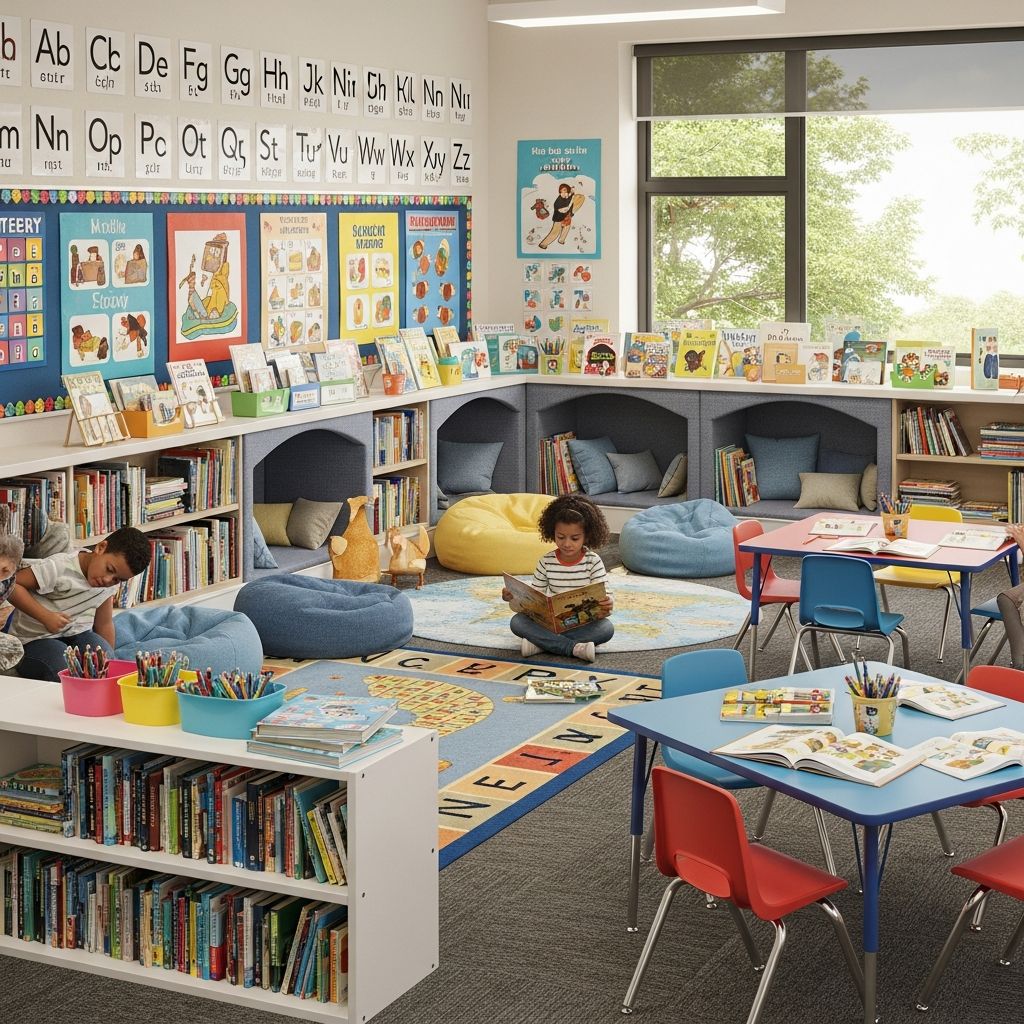
Early childhood educators play a pivotal role in laying the foundation for lifelong literacy success. A literacy-rich classroom transcends mere decoration; it is a dynamic space where children encounter language and print in meaningful, everyday contexts. These environments foster emergent literacy skills—phonemic awareness, vocabulary building, comprehension, and writing—through exploration and play. By thoughtfully curating physical materials, routines, and interactions, teachers can ignite children’s innate curiosity and transform learning into an joyful adventure.
Core Principles of Literacy-Rich Settings
The essence of a literacy-rich classroom lies in its ability to embed literacy into the fabric of daily life. Unlike rote drills, these spaces prioritize authentic engagement, allowing children to discover print’s purpose naturally. Key principles include accessibility, functionality, and responsiveness to children’s interests. Materials must be visible, reachable, and relevant, encouraging independent interaction while supporting social exchanges.
- Accessibility: Place books, labels, and writing tools at child height to promote self-initiated use.
- Functionality: Ensure print serves real purposes, like labeling snacks or creating shopping lists in play areas.
- Cultural Relevance: Incorporate diverse texts reflecting children’s backgrounds to build inclusivity and connection.
Research underscores that such environments correlate with advanced writing abilities and oral language development. For instance, studies show higher print exposure leads to improved emergent writing in preschoolers.
Designing Physical Spaces for Maximum Impact
The layout of a classroom significantly influences literacy engagement. Divide spaces into dedicated zones that invite prolonged interaction with language materials. A well-designed room feels inviting, organized, and brimming with opportunities for discovery.
| Zone | Purpose | Key Materials |
|---|---|---|
| Cozy Reading Nook | Fosters independent reading and group storytime | Pillows, diverse books, puppets, soft lighting |
| Writing Workshop | Encourages mark-making and storytelling | Markers, paper, clipboards, envelopes |
| Dramatic Play Area | Integrates literacy into role-play | Props like menus, signs, costumes |
| Discovery Corner | Links literacy to science and art | Labeled jars, charts, magnifiers |
Environmental print—labels on shelves, name charts, and directional signs—serves as scaffolds for learning. This print makes literacy visible and usable, helping children connect symbols to meanings. Low-cost additions like recycled packaging with labels extend these benefits without straining budgets.
Integrating Literacy into Daily Routines
Routines provide predictable structures where literacy thrives organically. From morning greetings to snack time, embed language-rich moments seamlessly. Transitions become teachable interludes with songs or chants featuring rhyme and rhythm, building phonemic awareness.
- Morning Meetings: Share news using pictures and words, modeling sentence formation.
- Mealtimes: Discuss menus or read nutrition labels aloud.
- Outdoor Play: Use sidewalk chalk for labeling nature finds or writing messages.
- Rest Time: Offer quiet audiobooks or soft picture books.
Educators amplify impact by scaffolding: extending a child’s utterance or suggesting print use in play. For example, in a pretend restaurant, prompt menu creation to blend literacy with imagination.
The Role of Educator-Child Interactions
Beyond materials, teacher responsiveness drives literacy growth. Dynamic interactions—conversations, read-alouds, and joint writing—create the instructional backbone. Credentialed specialists emphasize meaningful print engagement for skills like fluency and comprehension.
High-quality interactions feature:
- Responsive listening and expansion of children’s ideas.
- Modeling print use in context, such as writing a shopping list collaboratively.
- Encouraging peer dialogue to build speaking and listening proficiency.
Studies confirm that teacher-child dynamics outweigh static materials alone in fostering literacy. In one analysis of preschool settings, interactive print use predicted stronger outcomes than mere availability.
Technology and Multimedia Enhancements
Digital tools complement traditional literacy when used intentionally. Tablets with interactive e-books or recording apps allow children to dictate stories, bridging oral and written language. Video calls with families share home literacies, enriching classroom culture.
Guidelines for tech integration:
- Limit screen time to support active exploration.
- Pair devices with adult facilitation for deeper discussions.
- Select apps promoting phonological play or vocabulary.
Adapting for Diverse Learners
Inclusive design honors linguistic and cultural varieties. Multilingual labels, dual-language books, and home language props validate every child’s voice. Small class sizes and peer support networks enhance engagement, as noted in higher education insights adaptable to early years.
Personalized elements—like interest-based book selections—boost motivation and relevance, turning passive observers into active participants.
Measuring Success and Continuous Improvement
Observe children’s behaviors: Do they initiate reading? Attempt writing? Engage peers in stories? Track progress via portfolios of scribbles evolving to phonemic spellings. Adjust based on feedback, ensuring the environment evolves with the group.
Frequently Asked Questions (FAQs)
What is the difference between a print-rich and literacy-rich environment?
A print-rich space has abundant text, but literacy-rich adds purposeful interactions, routines, and play that make literacy functional and joyful.
How can I create a literacy-rich environment on a budget?
Use recycled items like cereal boxes for labels, library books, and homemade props. Focus on organization and teacher talk over expensive purchases.
At what age should literacy-rich elements begin?
From infancy: Babies benefit from rhymes, songs, and board books, building pre-verbal foundations.
Does technology belong in literacy-rich classrooms?
Yes, sparingly and interactively, to extend—not replace—hands-on experiences.
How do literacy-rich environments support children with disabilities?
They stimulate participation through multisensory, accessible materials tailored to individual needs.
Overcoming Common Challenges
Space constraints? Rotate materials weekly to maintain novelty. Messy writing areas? Provide smocks and easy clean-up. Resistance from children? Follow their leads, infusing literacy into favored play.
Sustained effort yields results: Children in these settings show enhanced motivation, vocabulary, and school readiness.
References
- Creating Literacy-rich Environments for Infants, Toddlers and Preschoolers — Good2Know Network. 2023. https://good2knownetwork.org/creating-literacy-rich-ece-environments-for-infants-toddlers-and-preschoolers/
- Literacy Rich Environment — Victorian Government. 2024-01-15. https://www.vic.gov.au/literacy-teaching-toolkit-early-childhood/teaching-practices-emergent-literacy/literacy-rich
- Focus on Literacy-Rich Environment — California State University, Los Angeles. 2022. https://www.calstatela.edu/sites/default/files/1_EDSP4180_Literacy%20Rich%20Environment.pdf
- Leveraging the Environment for Literacy Learning — NAEYC. 2024. https://www.naeyc.org/resources/pubs/tyc/winter2024/leveraging-environment-for-literacy-learning
- What are the key elements of a positive learning environment — PMC / National Library of Medicine. 2022-04-29. https://pmc.ncbi.nlm.nih.gov/articles/PMC9076804/
- Literacy-Rich Environments — Reading Rockets. 2008-02-01. https://www.readingrockets.org/topics/classroom-management/articles/literacy-rich-environments
Similar Articles








Read full bio of medha deb