Mastering Appointment Scheduling for Peak Productivity
Unlock efficiency with proven strategies to organize appointments, reduce no-shows, and reclaim your time for what matters most.
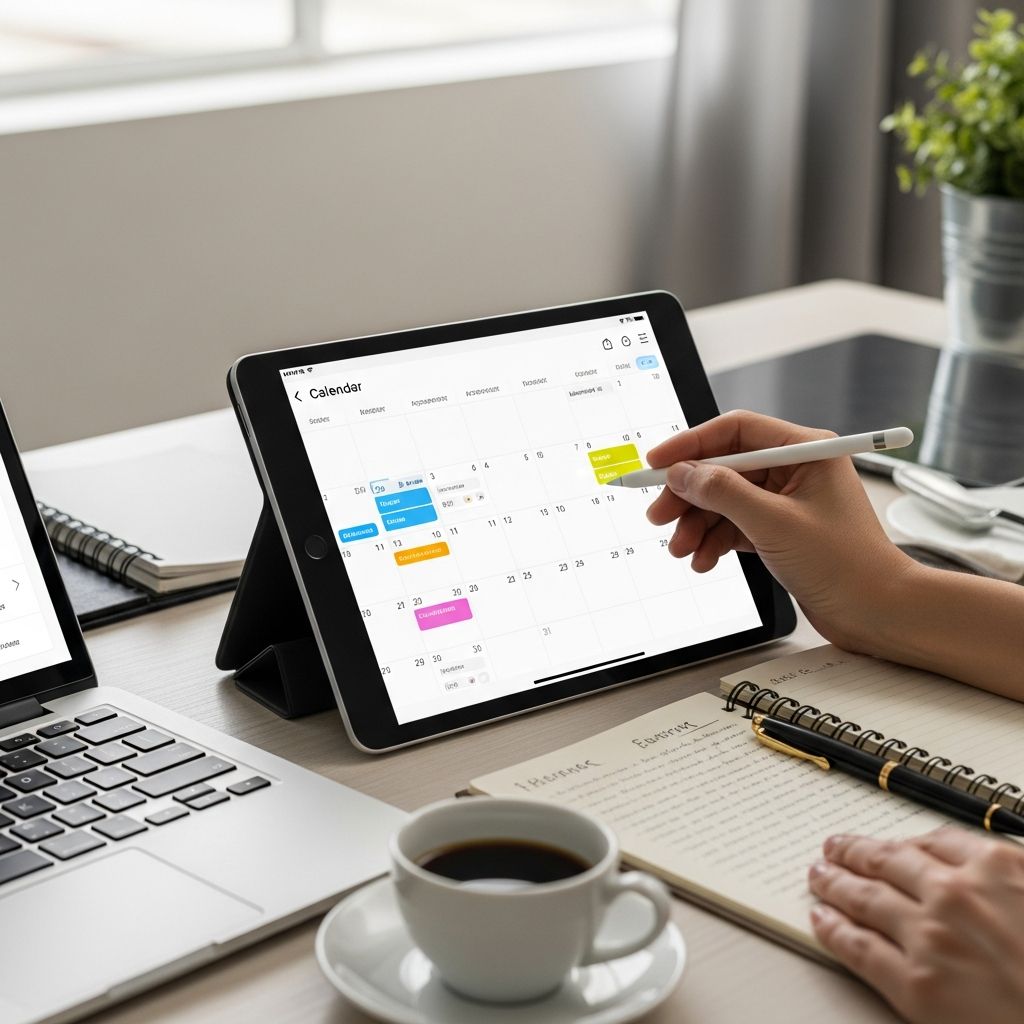
Effective appointment scheduling transforms chaotic days into structured, high-output routines. By implementing smart strategies, professionals across industries can minimize wasted time, reduce no-shows, and focus on high-value activities. This guide explores innovative approaches to calendar management, drawing from proven methods like wave scheduling and time blocking to help you achieve greater control over your schedule.
Building a Strong Foundation: Calendar Organization Essentials
A well-organized calendar is the cornerstone of successful appointment management. Start by auditing your current schedule to identify patterns, such as recurring delays or overbooked slots. Use digital calendars that sync across devices for real-time updates, ensuring all commitments are visible at a glance. Categorize entries by type—client meetings, internal check-ins, or administrative tasks—to prioritize effectively.
Strategic time allocation follows organization. Assign slots based on task urgency and impact, reserving prime hours for demanding appointments. This prevents low-priority items from encroaching on peak productivity periods. Regularly review and adjust your calendar weekly to adapt to evolving demands.
Time Blocking: Your Shield Against Schedule Chaos
**Time blocking** divides your day into dedicated segments for specific activities, fostering deep focus and reducing context-switching. For instance, allocate mornings for client-facing appointments when energy levels are highest, afternoons for collaborative sessions, and evenings for wrap-up tasks.
- Group similar appointments to maintain momentum, like clustering consultations.
- Incorporate 10-15 minute buffers between blocks to handle overruns or transitions.
- Color-code blocks for quick visual scanning—blue for meetings, green for focused work.
This method not only boosts efficiency but also builds predictability, allowing better preparation for each slot. Studies show time blocking can increase daily output by up to 30% by minimizing distractions.
Advanced Scheduling Techniques for Dynamic Workflows
Beyond basics, adopt specialized systems tailored to your needs.
Wave scheduling
groups appointments in clusters, such as three to four per hour, seeing patients or clients in arrival order. This balances provider load while accommodating variable appointment lengths.**Modified wave scheduling** refines this by double-booking the first slot hourly and leaving the end open for catch-up, preventing delays from cascading. It’s ideal for unpredictable durations, offering flexibility without excessive wait times.
For multi-location operations,
central scheduling
centralizes bookings through one system, reducing double-bookings and enabling unified tracking. This formal approach enhances oversight and metrics analysis.**Cluster scheduling** batches similar needs consecutively, streamlining processes—like grouping routine check-ups—to expedite service delivery.
| Method | Best For | Pros | Cons |
|---|---|---|---|
| Wave | High-volume practices | Balances demand; flexible | Potential long waits |
| Modified Wave | Variable appointment times | Catch-up buffers; patient-friendly | Requires precise timing |
| Central | Multi-site businesses | Control; no double-books | Needs uniform workflows |
| Cluster | Similar-task days | Quick processing | Limited to routine needs |
Harnessing Digital Tools for Seamless Self-Scheduling
Empower clients with
online self-scheduling software
, allowing 24/7 bookings that integrate with your calendar. Surveys indicate 80% of users prefer this for its convenience, simplifying access outside office hours. Features like automated confirmations and rescheduling options reduce administrative burden.Integrate
automated reminders
via text, email, or calls to curb no-shows. Timely notifications encourage rescheduling, filling gaps efficiently.Wait lists
further optimize by notifying eager clients of openings, boosting utilization without manual intervention.For broader reach, explore
omnichannel scheduling
including WhatsApp integration, enabling instant bookings through preferred channels. These tools not only save time but also elevate client satisfaction.Reducing Disruptions: Buffers, Boundaries, and Delegation
Unplanned interruptions erode productivity. Build
buffers
as intentional gaps—15-30 minutes between key appointments—to absorb overruns or surprises. This ‘shock absorber’ maintains flow without derailing the day.Set
professional boundaries
by defining availability, such as core hours and policies for last-minute requests. Communicate these clearly via signatures or booking pages. Opt for shorter formats when possible, grouping related items to condense schedules.**Delegate routine tasks** to team members or virtual assistants, freeing your calendar for high-impact work. Prioritize using the
Most Important Task (MIT)
method: identify 1-3 critical items daily and block time for them first.Virtual Options and Streamlined Intake for Modern Efficiency
**Telehealth and virtual visits** cut travel time and waiting rooms, with 76% of users favoring repeats post-pandemic. Integrate with EHR systems for seamless access to records, billing, and notes, shortening sessions.
**Digitized intake** lets clients complete forms online pre-appointment, eliminating delays. This ensures punctual starts, enhancing satisfaction and throughput.
Tracking and Optimization: Data-Driven Refinements
Measure success with key metrics:
- **Provider utilization**: Completed vs. possible appointments reveals capacity.
- **Self-scheduling rates**: Low adoption signals promotion needs.
- **Average appointment duration**: Adjust slots for patterns, shortening for quick visits.
- Track no-show rates and peak productivity windows for informed tweaks.
Time-tracking tools provide insights, enabling continuous improvement. Review monthly to refine strategies.
Handling Unexpected Challenges Proactively
Prepare for drop-ins or emergencies:
- Schedule dedicated slots for unscheduled visits.
- Politely reschedule with time limits.
- Stand for brief talks to keep them short.
For meetings, mandate agendas, start on time, and use note-takers. Avoid unnecessary gatherings.
Frequently Asked Questions (FAQs)
What is the best scheduling method for small teams?
Time blocking combined with self-scheduling software offers flexibility and reduces coordination overhead.
How can I reduce no-shows effectively?
Automated reminders and wait lists fill gaps while keeping clients engaged.
Is virtual scheduling suitable for all industries?
Yes, especially consulting, therapy, and coaching; integrate with core tools for best results.
How often should I review my schedule?
Weekly audits with monthly deep dives ensure ongoing optimization.
What if time blocking feels too rigid?
Start small, add buffers, and adjust based on tracked data for balance.
References
- Strategies to Maximize Patient Appointment Scheduling — InteliChart. 2023. https://www.intelichart.com/blog/strategies-maximize-patient-appointment-scheduling
- Time is Money: Be Effective with your Appointment Scheduling — Burbity. 2023. https://burbity.com/appointment-scheduling/
- 8 Productivity Tips to Manage Busy Appointment Schedules — SimplyMeet.me. 2023. https://news.simplymeet.me/8-productivity-tips-to-manage-busy-appointment-schedules/
- Appointment Scheduling Strategies You Must Consider — Wavetec. 2023. https://www.wavetec.com/blog/appointment-scheduling-strategies/
- Time Management: 10 Strategies for Better Time Management — University of Georgia (UGA). 2022. https://fieldreport.caes.uga.edu/publications/C1042/time-management-10-strategies-for-better-time-management/
Similar Articles








Read full bio of Sneha Tete