Mastering Life Organization: 12 Proven Daily Habits
Unlock the secrets to a clutter-free, stress-reduced life with these 12 essential habits adopted by highly organized individuals everywhere.
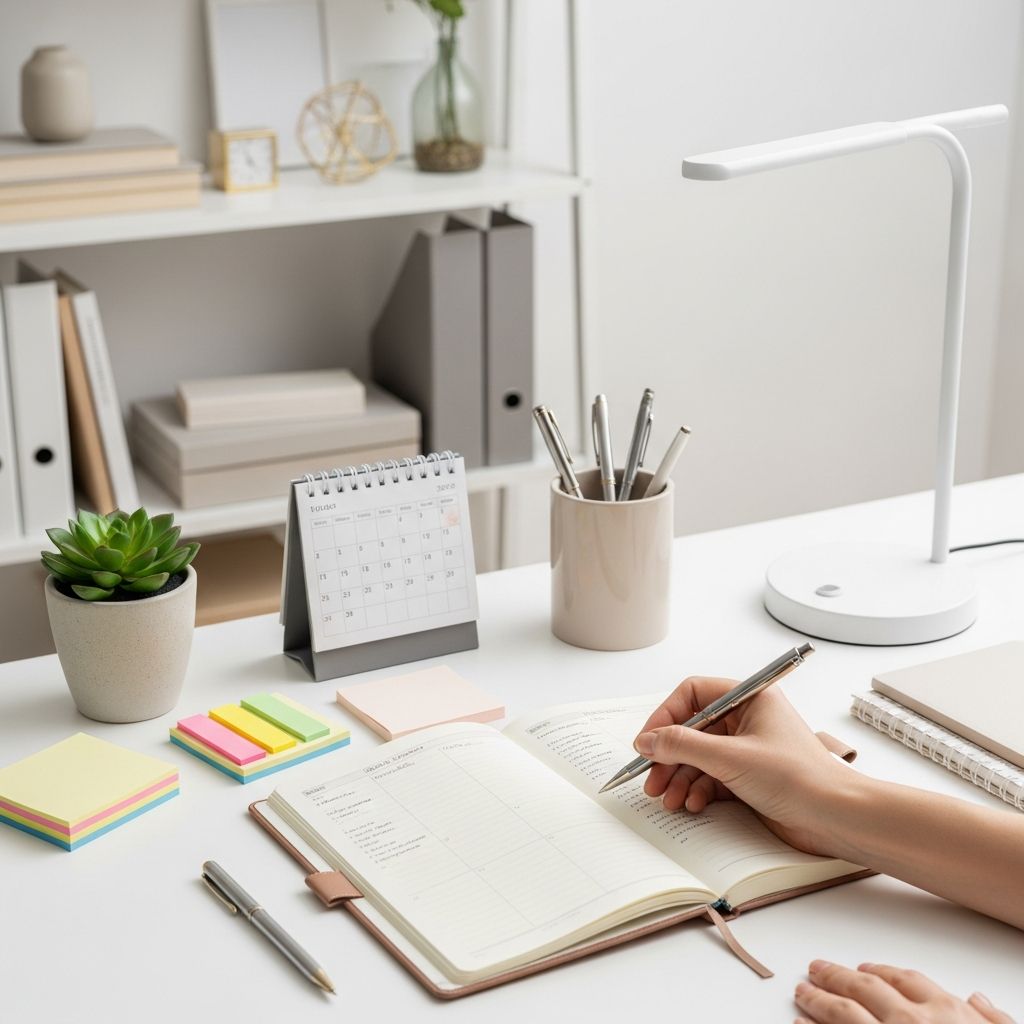
Highly organized people don’t rely on innate talent; they cultivate simple, repeatable habits that compound over time to create order from chaos. These practices turn overwhelming tasks into manageable routines, freeing mental energy for what truly matters. Drawing from expert strategies, this guide outlines 12 habits to streamline your home, schedule, and mindset for peak efficiency.
Building a Foundation: Why Habits Trump Motivation
Organization isn’t about sporadic cleaning sprees—it’s sustained by habits that require minimal willpower. Research from behavioral science shows small, consistent actions reshape neural pathways, making order automatic. Start with one habit, layer others gradually, and watch your life transform without burnout.
Habit 1: Designate Permanent Homes for Every Item
Assign a specific spot for keys, bags, mail, and gadgets right by entry points. This ‘drop zone’ system prevents piles from forming. For families, include kid-friendly baskets in bedrooms for toys and clothes, reducing nagging and mess. Touch items once: use it, then return it immediately to maintain flow.
Habit 2: Implement the One-Touch Rule Religiously
Handle mail, laundry, or dishes only once—sort, file, or discard on contact. This eliminates ‘maybe later’ stacks that breed clutter. Pair it with quick scans: while brewing coffee, sort a drawer; during calls, purge a shelf. Efficiency skyrockets as decisions happen in the moment.
Habit 3: Establish Evening Reset Rituals
Dedicate 5-10 minutes before bed to reset counters, fluff pillows, and prep tomorrow’s outfit. Waking to tidiness boosts mood and momentum. Customize for your space: kitchen warriors clear surfaces; office dwellers file papers. This non-negotiable closes the day strong.
Habit 4: Adopt the One-In, One-Out Policy
Before acquiring anything new, remove an equivalent item. This curbs accumulation, keeping spaces lean. Question purchases: ‘Does it fit my systems? What’s its home?’ Fewer items mean faster cleanup and less decision fatigue.
Habit 5: Sync Calendars for Seamless Coordination
Use a shared digital calendar (like Google) color-coded by person or category—blue for work, pink for personal. Block 15-minute slots weekly for mini-organizes: car tidy-up or desk purge. Treat these as unbreakable appointments to ensure follow-through.
Habit 6: Craft Brain-Dump To-Do Lists Daily
Each morning or evening, jot every task, thought, or worry on paper or app. Categorize by urgency: delegate, schedule, or trash. Time-block high-priority items. Digital sync across devices captures ideas instantly, preventing mental overload.
Habit 7: Weekly Purge and Priority Audits
Sunday evenings, scan spaces for excess: donate unworn clothes, recycle old papers. Reassess priorities—what serves this life season? Reset to your ‘baseline tidy’ state. This prevents drift, aligning possessions with goals.
Habit 8: Forge Morning and Evening Routines
Anchor days with bookends: mornings for bed-making, quick sweeps, and planning; evenings for unwinding and prep. Routines build predictability, slashing stress. Add movement—like stretches—to enhance mental health ties.
Habit 9: Set SMART Goals to Conquer Overwhelm
Break ambitions into Specific, Measurable, Achievable, Relevant, Time-bound steps. Instead of ‘organize house,’ target ‘desk drawer in 15 minutes.’ Achievements build confidence, fueling momentum across life areas.
Habit 10: Prioritize Simplicity Over Complexity
Ditch elaborate systems for one reliable tool—a single planner or app. Say no to non-essentials; delegate freely. Simplicity scales: focus energy on priorities, letting go of perfectionism.
Habit 11: Leverage Environment for Effortless Choices
Design spaces for success—visible trays prompt returns, trash bins nearby encourage discards. Make good habits attractive and easy: prep tools visibly. Behavior follows least-effort paths.
Habit 12: Embrace Change as an Organizing Ally
Life evolves; audit habits quarterly. Obsolete items or routines? Release them. Delegation frees bandwidth—trust others with tasks. Change auto-prunes irrelevancies, keeping systems fresh.
Overcoming Common Roadblocks: A Troubleshooting Table
| Challenge | Solution Habit | Quick Win |
|---|---|---|
| Time scarcity | Pair with routines | 5-min resets |
| Family resistance | Drop zones | Kid baskets |
| Mental clutter | Brain dumps | Daily lists |
| Re-cluttering | One-in, one-out | Purchase pauses |
| Overwhelm | SMART goals | One area first |
This table distills fixes for pitfalls, ensuring sustained progress.
Science-Backed Benefits of These Habits
Consistent organization correlates with lower cortisol, higher focus, and better sleep per studies from the American Psychological Association. Decluttering activates brain reward centers, mimicking exercise highs. Routines foster resilience, vital for modern stressors.
Frequently Asked Questions (FAQs)
Q: How do I start if everything feels chaotic?
A: Pick one habit, like evening resets or drop zones, for a week. Small wins build momentum without overwhelm.
Q: What if my family won’t participate?
A: Lead by example with personal zones; involve kids via fun baskets. Sync family calendars for shared accountability.
Q: Digital or paper planners—which is best?
A: Choose one that syncs seamlessly. Digital for mobility; paper for tactile satisfaction. Consistency trumps type.
Q: How often should I declutter?
A: Weekly micro-purges plus monthly deep dives. Apply one-in, one-out daily to prevent buildup.
Q: Can these habits help with work stress too?
A: Absolutely—brain dumps and SMART goals tame professional chaos, boosting productivity across spheres.
Long-Term Transformation: Your Organized Future
Integrate these 12 habits over 30 days: track progress in a journal. Expect clearer thinking, reduced anxiety, and more joy. Organization isn’t a destination but a skillset empowering purposeful living. Adapt as needed—your version of order awaits.
References
- Organizing Your Home: The Physical Side of Planning — Zen Habits. 2023-05-15. https://zenhabits.net/27-great-tips-to-keep-your-life-organized/
- Atomic Habits: An Easy & Proven Way to Build Good Habits & Break Bad Ones — James Clear (via Method Seattle summary). 2018-10-18. https://www.methodseattle.com/methodforthemadnessmethod-for-organized-habits/
- Effects of Clutter on Mental Health — American Psychological Association (referenced in therapy contexts). 2024-02-10. https://lincolnparktherapygroup.com/organized-life-tips-well-being/
- The Busy Person’s Guide to Staying Organized — The Orderly Space. 2023-11-20. https://www.theorderlyspace.com/blog-archive/the-busy-persons-guide-to-staying-organized
- 10 Simple Habits that Will Help You Stay Organized — Just a Girl and Her Blog. 2024-07-05. https://justagirlandherblog.com/10-simple-habits-that-will-help-you-stay-organized/
- Organizing Habits: Weekly & Monthly Reset — Grid & Glam. 2023-09-12. https://www.gridandglam.com/blog/organizing-habits
Similar Articles








Read full bio of medha deb