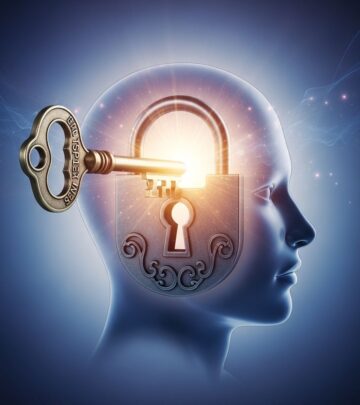
Building Mental Strength Through Personal Development
Cultivate resilience and emotional intelligence for lasting success

The capacity to think clearly, manage emotions effectively, and navigate life’s challenges with confidence represents one of the most valuable assets an individual can possess. Mental strength—the ability to remain focused, composed, and purposeful in the face of adversity—forms the foundation upon which personal and professional success is built. Unlike innate intelligence, which remains relatively fixed throughout life, mental strength can be systematically developed through deliberate practice and conscious effort. This article explores the essential components of mental resilience and provides actionable strategies for cultivating a stronger, more capable mind.
Understanding the Foundation of Mental Capability
Mental strength extends far beyond simple positivity or the absence of stress. It encompasses a broad spectrum of cognitive and emotional competencies that enable individuals to approach problems strategically, maintain emotional equilibrium during difficult periods, and sustain motivation toward meaningful goals. Research in psychology and behavioral science reveals that mental capacity develops through the interplay of several interconnected factors: how we process information, manage our emotions, interact with others, and respond to setbacks.According to the American Psychological Association, resilience—a key component of mental strength—can be cultivated through building strong relationships, maintaining realistic perspectives, and developing effective coping strategies.
The development of mental strength is not a destination but an ongoing journey. Individuals who prioritize mental development find themselves better equipped to handle unexpected challenges, recover from disappointments more quickly, and maintain a sense of purpose even during uncertain times. This foundational understanding shifts the perspective from viewing challenges as threats to viewing them as opportunities for growth and self-improvement.
The Critical Role of Cognitive Processing Skills
How we think directly influences how we feel and act. The ability to analyze situations objectively, identify patterns in complex information, and draw logical conclusions represents a cornerstone of mental strength. Individuals who develop strong cognitive processing skills can separate facts from emotions, evaluate evidence critically, and make decisions based on reasoning rather than impulse or anxiety.
Analytical Thinking and Problem Decomposition
One practical application of cognitive processing involves breaking down complex problems into manageable components. Rather than viewing a challenge as an overwhelming monolith, analytical thinking allows you to examine each element separately, identify root causes, and develop targeted solutions. This systematic approach reduces the sense of paralysis that often accompanies difficult situations and creates a roadmap for progress.
Pattern Recognition and Strategic Insight
The mind’s capacity to recognize patterns—both successful approaches and recurring obstacles—enables individuals to make faster, more informed decisions. By reflecting on past experiences and identifying what worked or didn’t work, you develop strategic insight that streamlines future decision-making and reduces the need to reinvent solutions for similar challenges.
Emotional Intelligence as a Core Mental Strength
Emotional intelligence—the capacity to recognize, understand, and manage emotions in yourself and others—serves as a critical component of mental resilience. Individuals with high emotional intelligence navigate interpersonal challenges more effectively, maintain better relationships, and experience greater overall well-being. This capability encompasses several distinct dimensions that work together to create emotional maturity.
Self-Awareness and Internal Recognition
The foundation of emotional intelligence rests on self-awareness: the ability to recognize your own emotions as they arise, understand what triggered them, and assess how they influence your thoughts and behaviors. Self-aware individuals catch themselves before emotional reactions lead to poor decisions or damaged relationships. This internal awareness creates space between stimulus and response—space that allows for conscious choice rather than automatic reaction.
Emotion Regulation and Stability
Managing emotions effectively doesn’t mean suppressing or denying them. Rather, it involves acknowledging emotions while preventing them from dominating your decision-making process. Individuals skilled in emotion regulation can experience disappointment without spiraling into despair, feel frustrated without lashing out, and acknowledge fear without being paralyzed by it. This balance creates the emotional stability necessary for sustained performance under pressure.
Empathy and Relational Understanding
The ability to understand and share the feelings of others—empathy—strengthens relationships and enhances collaborative effectiveness. Empathetic individuals listen more carefully, respond with greater sensitivity, and build trust more readily. This relational competency becomes increasingly important in team environments where mutual understanding and psychological safety drive productivity and innovation.
Resilience: Bouncing Back From Setbacks
Mental strength is most evident in how individuals respond to failure, rejection, or loss. Resilience—the capacity to recover from adversity and maintain functionality under stress—distinguishes those who overcome challenges from those who become stuck in them. Building resilience involves cultivating several interconnected capacities:
- Reframing adversity: Viewing setbacks as temporary, specific challenges rather than permanent, all-encompassing failures
- Maintaining perspective: Recognizing that difficulties, while real, are typically manageable and often contain lessons or opportunities
- Building support networks: Developing and maintaining relationships that provide emotional sustenance and practical assistance during difficult periods
- Taking constructive action: Focusing energy on what can be controlled rather than dwelling on what cannot
- Practicing self-compassion: Treating yourself with the same kindness and understanding you would offer to a close friend facing similar challenges
Communication Mastery and Mental Clarity
The ability to express yourself clearly and listen actively represents a critical intersection of mental strength and interpersonal effectiveness. Strong communicators think more clearly about their own perspectives because articulating them requires precision and logical organization. Meanwhile, skilled listening—truly hearing what others say without immediately formulating responses—broadens perspective and reduces misunderstandings that create unnecessary conflict and stress.
Verbal Expression and Conceptual Clarity
The process of putting thoughts into words forces you to organize ideas logically and identify gaps in your understanding. When you struggle to explain something clearly, it often signals unclear thinking. Conversely, developing the ability to explain complex concepts simply indicates sophisticated understanding. This bidirectional relationship means that improving communication skills simultaneously strengthens underlying cognitive processes.
Active Listening and Information Integration
Many individuals underestimate the mental strength required for genuine listening. Truly hearing another person—setting aside your own agenda, suspending judgment, and seeking to understand their perspective—requires emotional regulation and cognitive flexibility. This practice enriches your understanding, prevents costly miscommunications, and strengthens relationships that become sources of support during challenging times.
Strategic Focus and Mental Discipline
The contemporary world presents unprecedented demands on attention. Digital notifications, multiple priorities, and competing demands fragment focus and create a sense of perpetual incompleteness. Mental strength includes the discipline to direct attention intentionally toward what matters most and maintain that focus despite distractions.
Goal Clarity and Purposeful Direction
Individuals with strong mental discipline maintain clear understanding of their priorities and long-term objectives. This clarity acts as a filter for decision-making: opportunities and requests can be quickly evaluated against strategic goals. Those lacking such clarity find themselves reactive, responding to whatever demands feel most urgent rather than progressing toward what matters most.
Sustained Attention and Deep Work
The capacity for sustained, focused effort on complex tasks—what researchers call “deep work”—has become increasingly rare and increasingly valuable. Developing this capacity requires training attention like a muscle: starting with realistic focus periods, minimizing distractions, and gradually extending concentration capacity. The mental strength this builds translates directly to improved performance, faster skill development, and greater satisfaction with work.
Adaptability and Cognitive Flexibility
Environments change, plans require modification, and circumstances often demand unexpected responses. Mental strength includes the flexibility to adjust strategies when circumstances warrant, to learn new approaches, and to view change as manageable rather than threatening. Individuals with cognitive flexibility recover more quickly from surprises and identify creative solutions that rigid thinkers miss.
Learning Orientation and Growth Mindset
Research in educational psychology demonstrates that individuals who view abilities as developable—a growth mindset—show greater resilience, increased motivation, and superior long-term achievement compared to those who view abilities as fixed. This mental orientation fundamentally changes how you respond to difficulty: challenges become opportunities to develop capacity rather than threats to self-esteem. This reframing removes emotional reactivity from learning situations and creates a foundation for continuous improvement.
Perspective Shifting and Reinterpretation
When confronted with obstacles, mentally strong individuals can generate multiple interpretations of the situation and consider different approaches. This flexibility prevents the tunnel vision that leads to escalating frustration when one approach fails. The capacity to step back, reconsider assumptions, and generate alternative strategies represents a crucial mental strength.
Building Mental Strength: Practical Development Strategies
Understanding the components of mental strength means little without practical methods for developing them. The following approaches have demonstrated effectiveness in building cognitive and emotional capabilities:
Reflective Practice and Self-Examination
Regular reflection—through journaling, meditation, or structured self-inquiry—strengthens self-awareness and consolidates learning from experience. Setting aside time to examine your emotional responses, decision-making patterns, and outcomes creates distance from automatic reactions and enables deliberate change.
Progressive Challenge and Graduated Difficulty
Mental strength develops through practice with increasingly demanding challenges. Beginning with manageable difficulties and systematically increasing complexity builds confidence and capacity simultaneously. This principle applies whether developing focus, emotional regulation, or problem-solving ability.
Relationship Investment and Social Connection
Strong relationships provide both emotional sustenance and cognitive resources. Others offer perspective when you’re too close to situations, support when challenges feel overwhelming, and accountability for commitments. Prioritizing relationship development strengthens mental health directly and indirectly through the support network it creates.
Physical Foundations and Embodied Strength
Mental clarity and emotional regulation depend significantly on physical health. Regular exercise, adequate sleep, and nutritious nutrition form the biological foundation upon which mental strength rests. These physical practices directly influence neurotransmitter function, stress hormone levels, and cognitive performance.
Deliberate Skill Building and Structured Learning
Identifying specific mental capabilities you want to develop and pursuing structured learning creates faster progress than hoping improvement happens incidentally. Whether through formal training, reading, mentorship, or deliberate practice, focused effort produces measurable gains in targeted capabilities.
Comparing Mental Strength Development Approaches
| Approach | Primary Focus | Time Investment | Typical Timeline |
|---|---|---|---|
| Reflective Practice | Self-awareness and pattern recognition | 15-30 minutes daily | 4-8 weeks for noticeable shifts |
| Physical Training | Biological foundations and stress resilience | 30-60 minutes, 3-5x weekly | 2-4 weeks for energy improvements |
| Social Engagement | Emotional support and perspective expansion | Variable, ongoing | Immediate emotional benefits |
| Skill Training | Specific cognitive or emotional capabilities | 5-10 hours initial, then ongoing | 8-12 weeks for measurable competence |
| Challenge Seeking | Practical capability building through experience | Integrated into regular activities | 3-6 months for significant growth |
Frequently Asked Questions About Mental Strength Development
Can mental strength be developed at any age?
Yes. While some aspects of cognitive processing show age-related changes, neuroplasticity—the brain’s ability to form new neural connections—persists throughout life. Older adults often develop mental strength faster than younger individuals because they bring more experience and perspective to the development process.
How long does it take to notice improvements in mental strength?
This depends on what you’re developing. Emotional awareness often improves noticeably within 2-4 weeks of deliberate reflection. Physical resilience and stress tolerance typically show measurable improvement within 4-8 weeks. More complex capacities like strategic thinking or empathetic skill development usually require 2-3 months of consistent practice.
Is mental strength the same as willpower?
They’re related but distinct. Willpower represents the capacity to override impulses and maintain discipline. Mental strength encompasses willpower plus emotional intelligence, cognitive flexibility, resilience, and relational skill. A mentally strong person may use willpower strategically, but primarily relies on clear thinking and emotional regulation.
What should I do if I experience setbacks during development?
Setbacks are normal and expected—they’re actually signs you’re pushing beyond your current capacity, which is how growth happens. Treat setbacks as data points: what can you learn about what didn’t work? What adjustments might improve outcomes? This reflective approach converts setbacks into accelerated learning.
Integrating Mental Strength Into Daily Life
The ultimate measure of mental strength development is not how you function in optimal conditions, but how you function under pressure, during setbacks, and when circumstances are challenging. Integration means bringing these capabilities into your actual daily life—at work during high-stress periods, in relationships during conflict, and during personal challenges.
Begin by identifying one specific mental capability you want to strengthen. Rather than attempting comprehensive overhaul, focused effort on a single dimension creates momentum and builds confidence for subsequent development. As you strengthen one area—perhaps emotional awareness through journaling—you’ll find it naturally supports development in related areas like communication and relationship quality.
Mental strength represents an investment in your most valuable asset: your mind. The returns on this investment compound throughout your life, enabling greater achievement, deeper satisfaction, and more meaningful relationships. Unlike many pursuits that offer temporary satisfaction, mental development creates lasting capability that serves you across all life domains.
References
- The Road to Resilience — American Psychological Association. 2024. https://www.apa.org/science/about/psa/resilience
- What Are Personal Skills? (Plus How To Put Them On A Resume) — Indeed Career Advice. 2024. https://www.indeed.com/career-advice/resumes-cover-letters/what-are-personal-skills
- 97 Examples of Personal Skills — Simplicable. 2024. https://simplicable.com/talent/personal-skills
- Personal Skills | Definition, Types & Examples — Study.com Academy. 2024. https://study.com/academy/lesson/what-are-personal-skills-definition-development-examples.html
- 30 Best Personal Skills for Your Resume [Examples] — Teal. 2024. https://www.tealhq.com/post/personal-skills-for-resume
Similar Articles







Read full bio of medha deb