Mindfulness Practices for Academic Excellence
Unlock peak academic performance through mindfulness: reduce stress, boost focus, and elevate grades with proven meditation techniques for students.
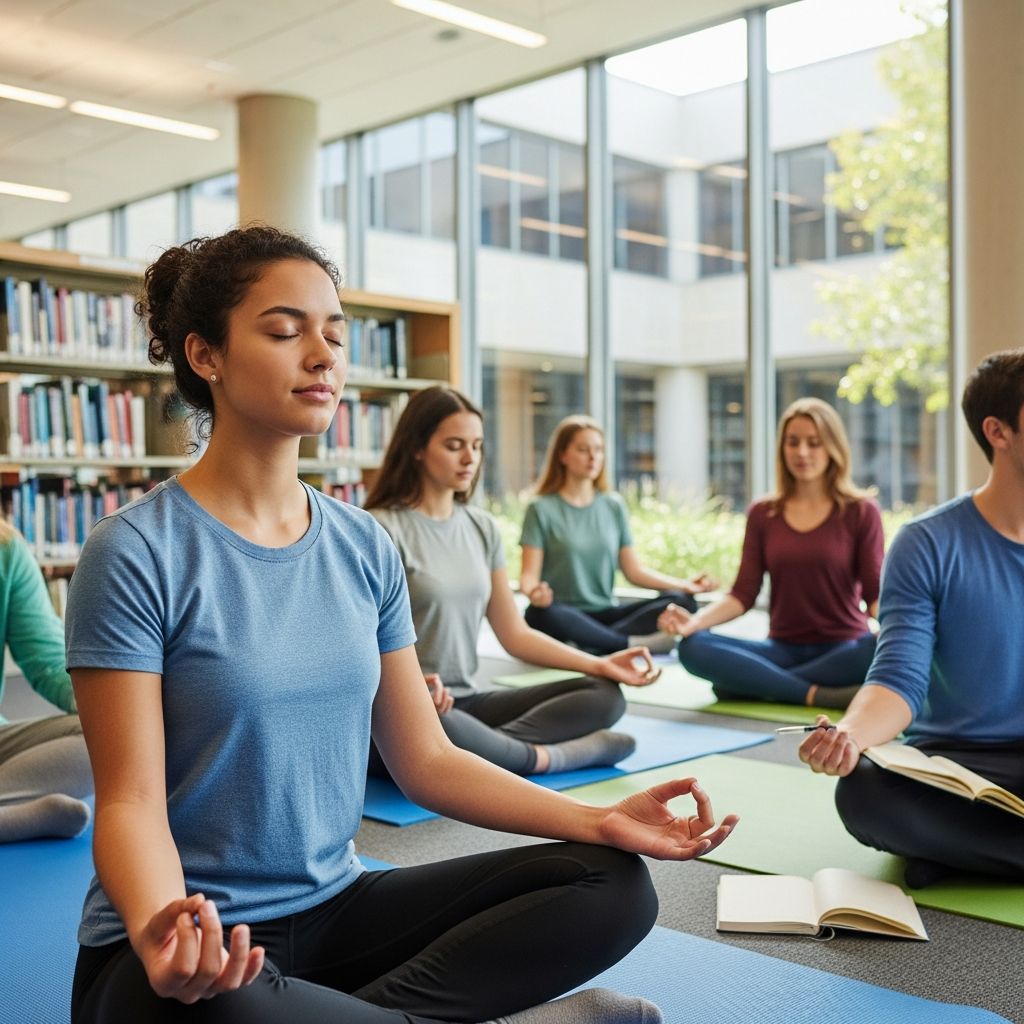
Mindfulness meditation offers students a powerful tool to sharpen cognitive abilities, manage stress, and achieve higher academic outcomes. Research demonstrates that regular practice leads to improved focus, better memory retention, and enhanced overall performance in educational settings.
The Science Behind Mindfulness and Learning
Mindfulness involves cultivating present-moment awareness without judgment, which rewires neural pathways to support learning. Studies show that students engaging in mindfulness interventions exhibit superior short-term academic results, particularly those achieving deeper meditation states. For instance, college students with higher trait mindfulness report stronger cognitive functioning, mediated by reduced perceived stress.
In middle schoolers, greater mindfulness levels correlate with elevated academic performance, fewer behavioral issues like suspensions, and lower stress. Neuroimaging reveals that mindfulness training diminishes amygdala activation—the brain’s fear center—when encountering emotional stimuli, fostering calmer responses during exams or challenging tasks.
Key Benefits for Student Achievement
- Boosted Concentration: Meditation trains the brain to sustain attention, crucial for absorbing complex material and performing on tests.
- Enhanced Memory: Practitioners show marked improvements in working memory tasks, aiding retention of lecture content and study notes.
- Stress and Anxiety Reduction: Lower cortisol levels from meditation counteract anxiety’s negative impact on learning, allowing deeper engagement.
- Improved Emotional Regulation: Better self-control and conscientiousness emerge, supporting consistent study habits and resilience against setbacks.
- Cognitive Sharpness: Faster processing speeds, executive function, and mental clarity contribute to higher grades across subjects.
Short-Term vs. Long-Term Academic Impacts
Evidence indicates mindfulness yields immediate gains in academic performance but may require sustained practice for lasting effects. Experimental groups practicing mindfulness outperformed controls in short-term assessments, with deeper meditation linked to superior results. However, long-term grades may align unless students continue independent practice.
| Time Frame | Effects Observed | Key Studies |
|---|---|---|
| Short-Term (Days-Weeks) | Improved test scores, focus, memory; reduced stress | ERIC study on meditation depth; Consciousness and Cognition |
| Long-Term (Months+) | Sustained if practiced independently; mental health gains persist | IZA economic analysis; PMC trait mindfulness |
Initially, integrating meditation might temporarily divert time from studying, explaining neutral long-term effects in some cases. Persistent practitioners, however, reap ongoing benefits through healthier habits and skill development.
Practical Mindfulness Techniques for Students
Incorporate these accessible methods into daily routines to maximize academic gains. Start with 5-10 minutes daily, gradually increasing duration.
- Breath Awareness: Sit comfortably, close eyes, and focus on natural breathing. When mind wanders, gently return to the breath. Ideal before studying to prime focus.
- Body Scan: Mentally scan from head to toe, noting sensations without judgment. Reduces physical tension from stress, enhancing comfort during long sessions.
- Mindful Listening: During lectures, fully attend to the speaker’s words, minimizing distractions. Builds active learning habits.
- Gratitude Reflection: End the day listing three academic wins. Fosters positive mindset and motivation.
- Focused Attention Practice: Choose an object like a pencil; maintain gaze and awareness for 2 minutes. Strengthens concentration for homework.
Implementing Mindfulness in School Environments
Schools can integrate mindfulness via brief classroom sessions. A Spanish study found secondary students in meditation programs earned significantly higher grades than controls, attributing gains to anxiety reduction freeing cognitive resources. MIT research supports morning mindfulness for middle schoolers, linking it to better behavior and performance.
Teachers might begin classes with 2-minute group breathing exercises. For universities, optional workshops like Koru Mindfulness have shown attention improvements and stress drops. Parents can encourage home practices, such as evening body scans, to reinforce school efforts.
Overcoming Common Challenges
Students often doubt meditation’s value or struggle with consistency. Address this by tracking progress: note focus levels pre- and post-session. Research confirms even brief 20-minute sessions over days yield memory boosts.
For those with high anxiety, start with guided audio to build familiarity. Persistent practice counters initial motivation dips, leading to self-sustained habits and performance uplifts.
Evidence from Diverse Educational Levels
Mindfulness benefits span ages. College students see cognitive and GPA correlations via stress mediation. Higher education trials confirm mental health improvements translating to non-cognitive skills like self-control. Secondary and middle school data highlight grade boosts and behavioral enhancements.
FAQs
How long should students meditate daily?
Begin with 5-10 minutes, aiming for 20 minutes as comfort grows. Consistency trumps duration for cognitive benefits.
Does mindfulness replace traditional study methods?
No, it complements them by optimizing brain function for efficient learning and retention.
Can meditation help with test anxiety?
Yes, by lowering amygdala activity and stress, enabling calmer, clearer thinking during exams.
Is mindfulness suitable for all students?
Generally yes, with adaptations for ADHD or anxiety; consult educators for tailored approaches.
What if a student dislikes meditating?
Try active forms like mindful walking or drawing. Enjoyment predicts adherence and deeper benefits.
Building a Sustainable Practice
Pair meditation with routines like post-homework reflection. Apps or school programs provide structure. Track metrics—grades, focus duration—to visualize progress. Over time, mindfulness fosters resilience, turning academic pressures into growth opportunities.
Research underscores that while short-term boosts are common, long-term excellence stems from integration into lifestyle. Students practicing independently post-intervention show strongest outcomes, blending mental clarity with disciplined effort.
References
- Impact of Mindfulness Meditation Intervention on Academic Performance — ERIC. 2018. https://eric.ed.gov/?id=EJ1183875
- Mindfulness, cognitive functioning, and academic achievement in college students — PMC/NCBI. 2021-10-11. https://pmc.ncbi.nlm.nih.gov/articles/PMC8516329/
- Using Meditation For School Success — Oxford Learning. N/A. https://oxfordlearning.com/using-meditation-for-school-success/
- The Short- vs. Long-Run Effects of Mindfulness Meditation on Academic Performance — IZA Institute of Labor Economics. 2022. https://docs.iza.org/dp15723.pdf
- How Mindfulness Meditation in the Classroom Helps With Academics — Calm Classroom Blog. N/A. https://blog.calmclassroom.com/mindfulness-meditation-classroom-helps-academics
- Two studies reveal benefits of mindfulness for middle school students — MIT News. 2019-08-26. https://news.mit.edu/2019/mindfulness-mental-health-benefits-students-0826
- Benefits Of Meditation For Students — American University of Antigua. N/A. https://www.auamed.org/student-blog/meditation-control-train-brain/
Similar Articles








Read full bio of Sneha Tete