Office Manager Skills: Essential Guide To Lead And Organize
Master the essential skills to excel as an office manager and keep operations running smoothly in any organization.
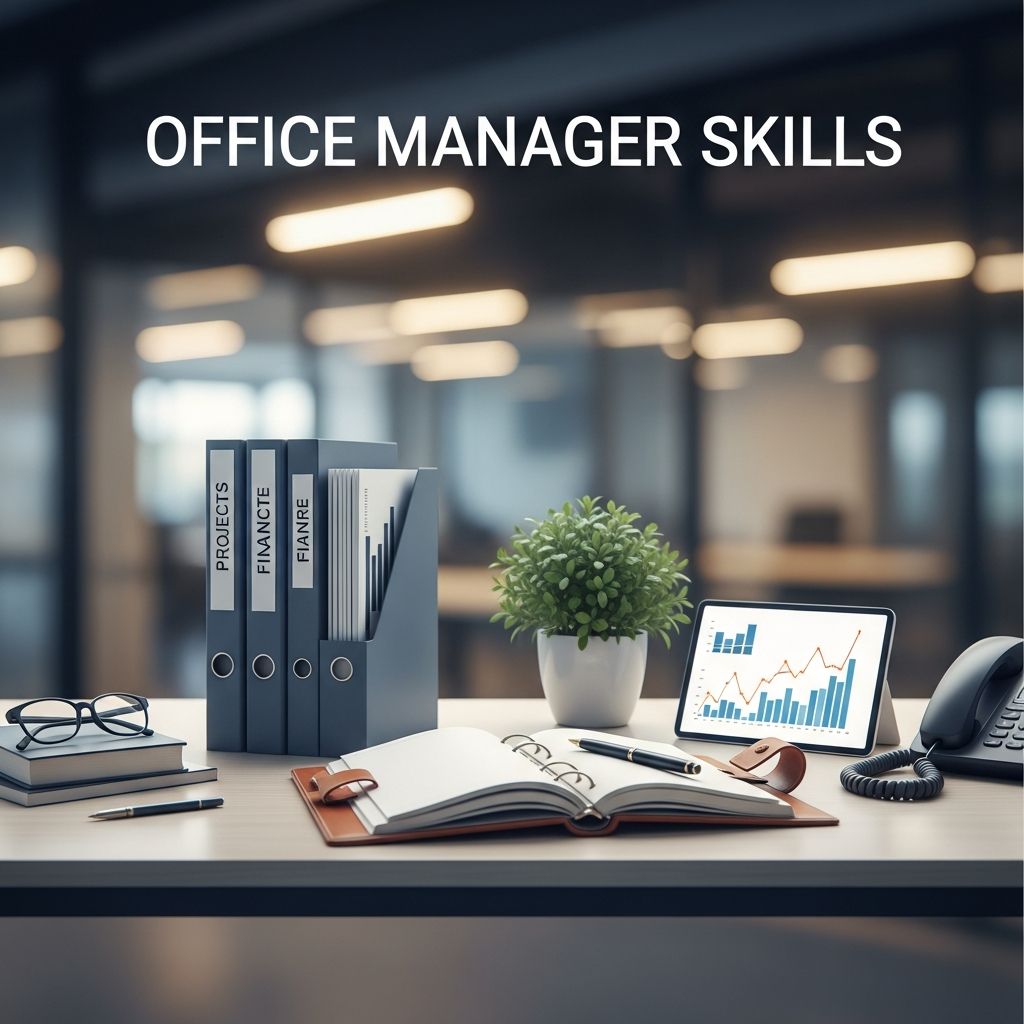
Office Manager Skills Guide
Office managers serve as the operational backbone of any organization, ensuring that daily activities run without a hitch while supporting broader business goals. This role demands a versatile skill set that blends administrative expertise, leadership abilities, and strategic thinking to maintain efficiency and foster a positive work environment.
Core Responsibilities of an Office Manager
At the heart of the position lies a wide array of duties that keep the office functioning optimally. Office managers oversee everything from supply procurement to staff coordination, acting as the central hub for information and resources.
- Coordinating schedules for meetings, appointments, and executive travel to prevent overlaps and ensure punctuality.
- Managing inventory of office supplies, anticipating needs, and placing timely orders to avoid shortages.
- Handling incoming correspondence, phone calls, and visitor inquiries as the primary point of contact.
- Supervising administrative teams, including receptionists and assistants, to maintain high performance standards.
- Tracking expenses, processing invoices, and adhering to budgetary constraints for cost-effective operations.
These tasks, drawn from standard industry practices, highlight the multifaceted nature of the role, requiring constant adaptation to emerging needs.
Essential Organizational Abilities
Organization stands out as the cornerstone skill for office managers. Without it, even minor oversights can cascade into major disruptions. Effective organization involves creating systems for document management, workflow tracking, and resource allocation.
Professionals in this role often implement digital filing systems and project management tools to streamline access to records. For instance, maintaining up-to-date personnel files and financial ledgers ensures compliance and quick retrieval during audits or reviews.
| Organizational Task | Key Tools/Strategies | Benefits |
|---|---|---|
| Document Archiving | Cloud storage, labeling protocols | Easy retrieval, version control |
| Inventory Tracking | Spreadsheet software, vendor portals | Prevents stockouts, controls costs |
| Schedule Management | Calendar apps, shared booking systems | Reduces conflicts, boosts productivity |
This table illustrates how targeted strategies enhance daily efficiency, allowing office managers to focus on higher-level priorities.
Leadership and Team Supervision
Leading administrative staff requires motivational skills and clear direction-setting. Office managers must delegate tasks effectively, provide feedback, and resolve interpersonal conflicts to cultivate a cohesive team dynamic.
Key leadership practices include conducting regular check-ins, organizing training sessions, and recognizing achievements to boost morale. By fostering inclusivity, managers create environments where employees feel valued, leading to higher retention and output.
- Developing onboarding programs for new hires to accelerate integration.
- Addressing performance issues promptly through constructive dialogues.
- Coordinating team-building events to strengthen relationships.
Financial Oversight and Budget Management
Handling finances demands precision and foresight. Office managers prepare budgets, monitor expenditures, and reconcile accounts to support fiscal health. They negotiate with vendors for better terms and analyze spending patterns to identify savings opportunities.
For example, reviewing monthly invoices against purchase orders prevents discrepancies, while forecasting supply needs aligns purchases with cash flow. Proficiency in accounting software like QuickBooks or Excel is invaluable for generating reports that inform senior leadership.
Communication Excellence
Superior communication bridges gaps between departments, executives, and external parties. Office managers draft professional emails, prepare presentations, and facilitate meetings to convey information clearly.
Active listening plays a crucial role in understanding stakeholder needs, whether resolving a supplier dispute or relaying executive directives. Non-verbal cues and tone also matter in maintaining professionalism during high-pressure interactions.
Technical Proficiency for Modern Offices
In today’s digital landscape, familiarity with office technologies is non-negotiable. Office managers must navigate Microsoft Office Suite, collaboration platforms like Microsoft Teams or Slack, and HR systems for payroll and records.
Additionally, basic IT troubleshooting—such as resetting printers or managing user access—minimizes downtime. Staying updated on cybersecurity best practices protects sensitive data from breaches.
Facility and Safety Management
Maintaining a safe, functional workspace involves scheduling maintenance, ensuring compliance with health regulations, and coordinating cleaning services. Office managers conduct safety drills, update emergency protocols, and manage vendor contracts for repairs.
Proactive measures, like regular equipment inspections, prevent accidents and extend asset life, contributing to overall operational stability.
Problem-Solving and Adaptability
Unexpected challenges arise daily, from equipment failures to staffing shortages. Office managers excel by assessing situations quickly, brainstorming solutions, and implementing fixes with minimal disruption.
Cultivating resilience allows them to pivot during crises, such as remote work transitions or supply chain delays, ensuring continuity.
Strategic Contributions to Business Growth
Beyond routine tasks, office managers influence long-term success by optimizing processes and supporting expansion. They analyze workflows for bottlenecks, recommend automation tools, and assist in HR functions like recruitment.
By aligning administrative operations with organizational objectives, they enable teams to innovate without logistical hurdles.
Developing Your Office Manager Skill Set
Building these competencies involves targeted training, hands-on experience, and continuous learning. Certifications in project management (PMP) or HR (PHR) add credibility, while mentorship programs provide practical insights.
- Enroll in online courses for advanced Excel or leadership workshops.
- Shadow experienced managers to observe real-world applications.
- Track personal metrics, like task completion rates, to measure improvement.
Challenges Faced by Office Managers
Common hurdles include balancing competing priorities, managing diverse personalities, and adapting to technological shifts. Overcoming these requires prioritization frameworks like Eisenhower Matrices and stress management techniques.
Time management tools help segment the day into focused blocks, preventing burnout while meeting deadlines.
Future Trends in Office Management
Hybrid work models and AI integration are reshaping the role. Office managers will increasingly handle virtual coordination tools and data analytics for predictive inventory management. Sustainability efforts, such as paperless initiatives, will also gain prominence.
Frequently Asked Questions (FAQs)
What qualifications are needed to become an office manager?
A bachelor’s degree in business administration is common, but experience in administrative roles often suffices. Key is demonstrating organizational prowess through past achievements.
How does an office manager differ from an administrative assistant?
Office managers hold supervisory responsibilities and strategic oversight, while assistants focus on task execution without team leadership.
What software should office managers master?
Essentials include Google Workspace, Microsoft 365, Trello for task management, and QuickBooks for finances.
Can office managers work remotely?
Yes, especially in hybrid setups, though on-site presence aids facility oversight.
How can office managers advance their careers?
Pursue certifications, network via professional groups, and take on project leadership roles.
References
- Office manager: job description — TargetJobs. 2023. https://targetjobs.co.uk/careers-advice/job-descriptions/office-manager-job-description
- How to Write an Effective Office Manager Job Description — Curve Dental. 2024. https://www.curvedental.com/dental-blog/writing-an-office-manager-job-description
- Office Manager Job Description Template [2026] — X0PA AI. 2026-01-15. https://x0pa.com/hiring/office-manager-job-description/
- Office Manager Job Description [Updated for 2026] — Indeed. 2026-01-01. https://www.indeed.com/hire/job-description/office-manager
- Office Manager Job Description | Roles & Skills — NCCUSA. 2025. https://nccusa.edu/blog/office-manager-job-description/
- Office Manager Job Description [TEMPLATE] — Workforce.com. 2024. https://workforce.com/job-descriptions/office-manager
Similar Articles






Read full bio of medha deb