Profanity in the Office: When Is It Acceptable?
Explore the fine line between casual cursing and professional conduct in modern workplaces, weighing benefits, risks, and generational shifts.
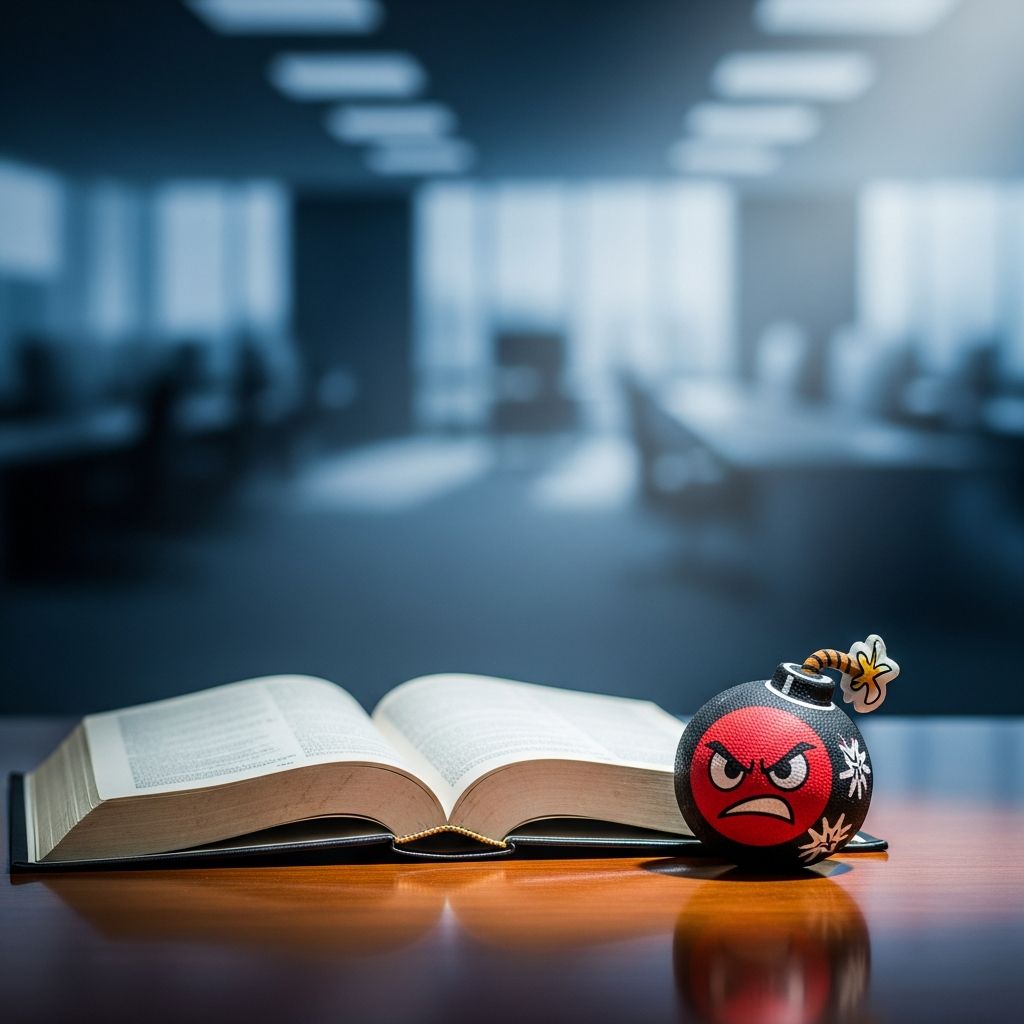
Swearing at work remains a contentious issue, blending authenticity with professionalism. While some view it as a natural expression that strengthens bonds, others see it as a breach of decorum that can undermine authority or alienate colleagues. Research indicates that context, relationships, and cultural norms heavily influence its impact, with studies showing both positive correlations to honesty and risks of perceived hostility.
The Dual Nature of Workplace Language
Language shapes workplace interactions profoundly. Profanity, often dismissed as unprofessional, can signal trust and emotional openness in certain settings. A study in the Leadership & Organization Development Journal highlights that non-abusive cursing fosters personal relationships among coworkers by conveying genuine emotion. Conversely, it risks violating norms, potentially creating a hostile environment, as searches related to “swearing at work” frequently link to concerns over abuse.
Generational divides amplify this tension. Millennials embrace swearing more readily than Baby Boomers, viewing it as integral to emotional intelligence—a trait they prioritize in professional spaces. Older generations, shaped by norms of emotional restraint, often perceive it differently. This shift reflects broader cultural evolutions toward informal, high-trust teams where casual language signals camaraderie.
Psychological and Social Benefits of Casual Cursing
Swearing serves as more than mere habit; it functions as a social lubricant and stress valve. University of East Anglia researchers found that appropriate profanity helps employees connect authentically, reflecting personality traits suppressed otherwise. For those accustomed to casual speech outside work, censoring it erects barriers, hindering rapport.
Additionally, profanity correlates with honesty. Analysis of individual behaviors shows frequent swearers lie less, associating raw language with straightforwardness. In teams, this can build solidarity—informality denotes trust, distinguishing healthy dynamics from toxic ones, though the words overlap.
Stress relief stands out as a key advantage. Amid high-pressure environments, a well-timed expletive manages tension effectively, as noted in studies on workplace communication. Lower-level employees swear more than executives, possibly due to fewer status constraints.
Contextual Factors Determining Appropriateness
Appropriateness hinges on multiple variables. Psychological research on swearing pragmatics emphasizes speaker-listener dynamics, social-physical settings, and word choice. Native speakers intuitively gauge these, rating profanity higher in informal spots like dorms versus formal offices.
| Factor | High Appropriateness | Low Appropriateness |
|---|---|---|
| Speaker-Listener Relationship | Peers with equal status | Superior to subordinate |
| Setting | Private office or break room | Client meeting or public space |
| Word Intensity | Mild expletives | Highly offensive terms |
| Gender/Status Norms | Informal teams | High-status roles (e.g., dean/executive) |
Data confirms men are expected to swear more than women in equivalent roles, while higher-status individuals restrain more. Non-native speakers show less contextual variability, underscoring learned social cues.
Risks and Negative Consequences
Despite upsides, downsides loom large. Surveys reveal UK employees hear 11 swear words daily, with the F-word topping lists; yet, a quarter rarely self-censor, risking offense. Indeed’s poll of over 1,000 workers found 1 in 5 avoid offices due to irritating behaviors like swearing, fueling remote work preferences.
- Potential for damaged relationships: Context matters; what bonds peers might alienate others.
- Norm violations: Executives swearing less preserves authority.
- Hybrid work shifts: Reduced socializing (once monthly) limits informal exchanges, amplifying profanity’s impact.
Offensiveness varies: Deans swearing offends more than students, and formal settings amplify this. Sanctions range from dirty looks to termination.
Generational and Cultural Perspectives
Younger workers prioritize authenticity, swearing to express unfiltered selves. Boomers favor restraint, associating professionalism with polished speech. Globally, cultural contexts differ—some view profanity as trust markers, others as disrespect.
In high-trust teams, swearing signals inclusion; in low-trust ones, aggression. Managers must discern intent, as identical language yields divergent outcomes.
Strategies for Navigating Profane Workplaces
Leaders can guide norms without stifling culture:
- Assess team dynamics: Gauge comfort via anonymous surveys.
- Set clear guidelines: Define acceptable contexts, emphasizing non-abusive use.
- Model behavior: Executives lead by example, swearing sparingly.
- Promote awareness: Train on contextual cues and inclusivity.
- Encourage feedback: Foster open discussions on language preferences.
Individuals should evaluate audience, setting, and stakes before swearing, prioritizing empathy.
Legal and HR Implications
While casual swearing rarely triggers action, patterns signaling hostility can. Searches tying profanity to “hostile work environment” underscore vigilance. HR policies often prohibit abusive language, protecting diverse teams.
Future Trends in Workplace Expression
Remote and hybrid models evolve norms—virtual chats may liberalize language sans visual cues. As emotional intelligence rises, balanced profanity might integrate, provided inclusivity prevails.
Frequently Asked Questions (FAQs)
Is swearing ever okay at work?
Yes, in non-abusive, contextually appropriate scenarios among trusting peers, per research.
Does swearing make you seem less honest?
No—studies link it to greater honesty and less deception.
How does generation affect swearing tolerance?
Millennials swear more freely than Boomers, valuing emotional expression.
Can swearing improve team bonds?
When mutual, it signals trust and authenticity.
What if a colleague is offended by swearing?
Adapt language, apologize, and discuss preferences to maintain harmony.
References
- Swearing At Work — Berrett-Koehler Publishers Ideas. N/A. https://ideas.bkconnection.com/swearing-at-work
- Is It Ever Appropriate To Swear At Work? — Bluesky Thinking. N/A. https://bluesky-thinking.com/mr-trump-f-off-is-it-ever-appropriate-to-swear-at-work/
- The Pragmatics of Swearing — Massachusetts College of Liberal Arts. N/A. https://www.mcla.edu/Assets/MCLA-Files/Academics/Undergraduate/Psychology/Pragmaticsofswearing.pdf
- Frankly, We Do Give a Damn: The Relationship Between Profanity and Honesty — PubMed Central (PMC). 2017-11-13. https://pmc.ncbi.nlm.nih.gov/articles/PMC5686790/
Similar Articles






Read full bio of medha deb