Puerto Rico’s Path to U.S. Territory Status
Tracing Puerto Rico's transformation from Spanish colony to U.S. territory, citizenship, and ongoing status debates over 125 years.
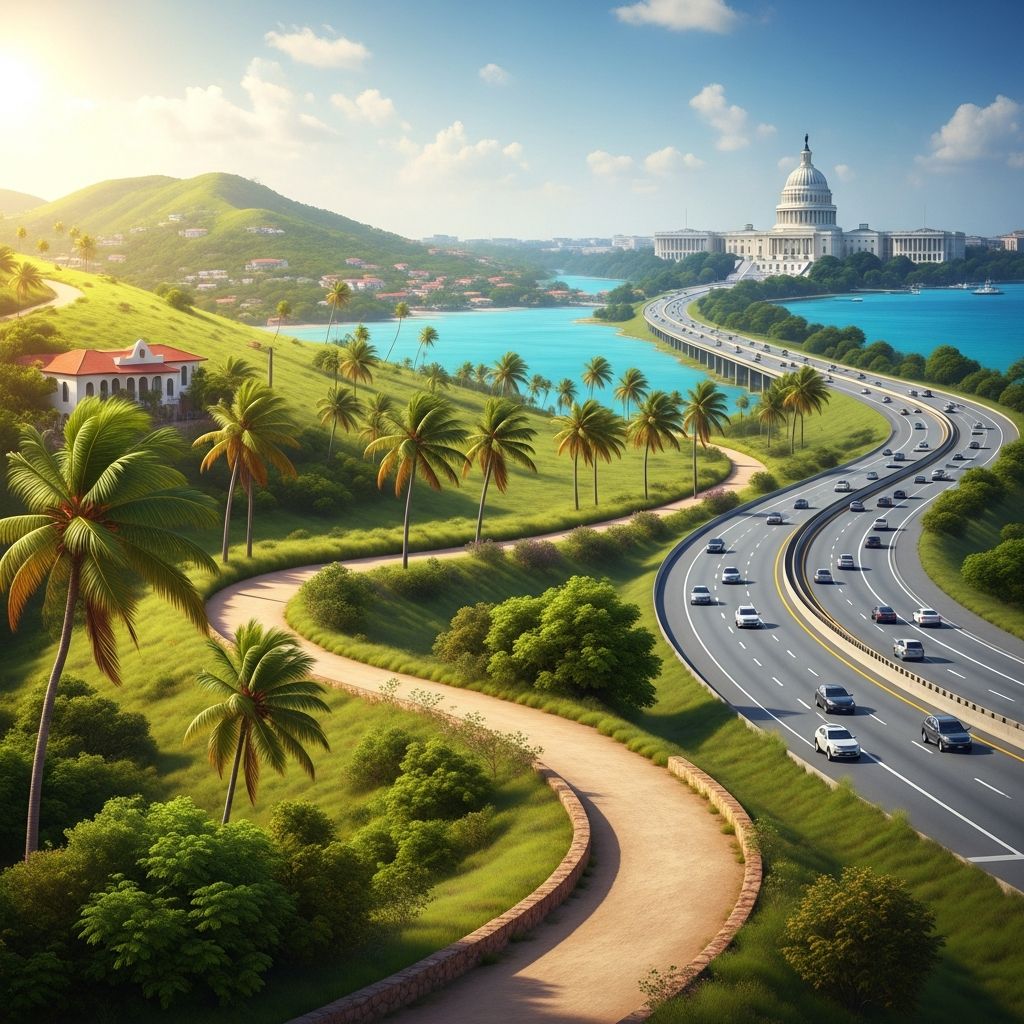
Puerto Rico officially became an organized U.S. territory through the Jones-Shafroth Act on March 2, 1917, granting U.S. citizenship to its residents while establishing a structured civil government. This milestone capped nearly two decades of U.S. control following the Spanish-American War invasion in 1898, marking a shift from military occupation to formal territorial governance.
Pre-U.S. Era: Spanish Colonial Legacy
Before U.S. involvement, Puerto Rico endured over 400 years as a Spanish colony, evolving from a strategic military outpost to a culturally rich island blending Indigenous Taíno, African, and European influences. By the late 19th century, growing calls for autonomy clashed with Spain’s rigid control, setting the stage for external intervention. The island’s ports fortified against pirates and rival powers underscored its geopolitical value, but economic stagnation and political repression fueled unrest.
Spanish rule introduced sugar plantations reliant on enslaved African labor after the Taíno population decimated from disease and exploitation. This demographic shift created a unique criollo identity, distinct from mainland Spain, with figures like Ramón Emeterio Betances advocating for independence in the 1860s. The 1897 Spanish Charter promised limited self-rule, but it was never fully implemented due to the impending war.
The Spanish-American War: Turning Point in 1898
The U.S. invasion on July 25, 1898, during the Spanish-American War, transferred control without immediate resistance in Puerto Rico. American forces under General Nelson A. Miles landed at Guánica, proclaiming liberation from Spanish tyranny. The Treaty of Paris, ratified December 10, 1898, formalized Spain’s cession of Puerto Rico, Guam, and the Philippines to the U.S. for $20 million.
Initially celebrated by some locals weary of Spanish taxes and conscription, the occupation quickly revealed U.S. intentions to retain the island as a strategic Caribbean base. Military governors ruled until civilian administration, with the name briefly changed to ‘Porto Rico’ before reverting to ‘Puerto Rico’ in 1932. This period exposed Puerto Rico to American legal and economic systems, though residents lacked citizenship or voting rights.
Early Governance Reforms: Foraker Act of 1900
Congress passed the Foraker Act on April 12, 1900, establishing Puerto Rico’s first civilian government and marking it as an unincorporated territory. Key provisions included:
- A U.S.-appointed governor and executive council holding majority power.
- A popularly elected House of Delegates with limited legislative authority.
- Tariff autonomy but ultimate congressional oversight.
- No U.S. citizenship, treating residents as non-citizen nationals.
The Supreme Court in Downes v. Bidwell (1901) classified Puerto Rico as ‘foreign in a domestic sense,’ justifying selective application of the Constitution. This ‘Insular Cases’ doctrine allowed Congress plenary power, denying full rights like voting in federal elections. Economically, the act imposed duties on island-mainland trade, spurring sugar industry growth under U.S. firms.
Jones-Shafroth Act: Citizenship and Territory Status in 1917
World War I pressures accelerated reforms. Sponsored by Rep. William Jones and Sen. John Shafroth, the Jones-Shafroth Act (March 2, 1917) declared Puerto Rico a U.S. territory, granting statutory citizenship to those born on or after April 25, 1898. Major changes included:
- Bicameral legislature with an elected Senate replacing the executive council.
- U.S. President appointing the governor, subject to local advice.
- Freedom of movement to the mainland without alien status.
- Draft eligibility, as 18,000 Puerto Ricans served in WWI.
While citizenship brought protections and mobility, it excluded presidential voting or congressional voting representation. A 1904 Supreme Court ruling had already affirmed free migration. The act restructured the economy, boosting U.S. investment amid rising nationalism.
| Act | Date | Key Impacts |
|---|---|---|
| Treaty of Paris | 1898 | Cession to U.S.; military rule begins. |
| Foraker Act | 1900 | Civilian government; unincorporated territory. |
| Jones-Shafroth Act | 1917 | U.S. citizenship; organized territory status. |
From Territory to Commonwealth: 1952 Milestone
Post-WWII aspirations led to Operation Bootstrap, industrializing the island and prompting status reevaluation. In 1950, Public Law 600 allowed a local constitution, ratified in 1952, creating the ‘Estado Libre Asociado’ (Free Associated State) or commonwealth. This granted internal self-government, with residents electing their governor and legislature, while federal matters remained under Congress.
The 1952 Constitution, approved by Congress and Puerto Rican voters, symbolized compact theory over territorial doctrine, though Supreme Court rulings like Rodriguez v. Popular Democratic Party (1982) reaffirmed congressional supremacy. Economically, commonwealth status facilitated tax incentives, attracting pharma giants, but dependency persisted.
Modern Challenges and Status Debates
Over 125 years post-invasion, Puerto Rico’s 3.2 million residents hold citizenship without full rights, akin to D.C. or other territories. The resident commissioner votes only in committees. Debt crises culminated in PROMESA (2016), imposing a federal oversight board on fiscal policy.
Plebiscites reveal divisions: 2012 favored statehood (61%), 2017 (52%), 2020 (52%), but independence garners 5-10%, status quo around 30-40%. Congress holds unilateral admission power via simple majority. Hurricanes Maria (2017) and economic woes highlight vulnerabilities, fueling debates on equity.
Key issues include:
- Representation: No Senate/House voting seats despite population exceeding 29 states.
- Economic:
- Jones Act mandates U.S. ships, raising costs; Medicaid caps strain services.
- Cultural: Bilingual identity amid statehood pushback.
Demographic and Cultural Evolution
U.S. era spurred migration waves, with over 5 million Puerto Ricans stateside by 2020. Remittances and dual identity thrive, yet island depopulation raises sustainability concerns. Culturally, bomba, plena, and salsa reflect resilience, while American influences blend with traditions.
Frequently Asked Questions
Can Puerto Ricans vote in U.S. presidential elections?
No, residents cannot vote in presidential general elections unless registered in a state; they participate in primaries if stateside.
What is the difference between territory and commonwealth?
Territory implies direct congressional rule; commonwealth suggests a voluntary compact with more autonomy, though Congress retains override power.
Does Puerto Rico pay federal income taxes?
No on island-sourced income, but yes if residing stateside; they fund Medicare/Social Security without full benefits parity.
Has Puerto Rico ever voted for independence?
Support hovers low (3-10% in recent plebiscites), with statehood gaining traction amid status quo dissatisfaction.
Could Puerto Rico become the 51st state?
Yes, via congressional Admission Act after local approval, but political hurdles persist.
References
- 100 Years of Puerto Rico: Puerto Rico Becomes a U.S. Territory — Library of Congress Blogs, Law Library. 2017-03-02. https://blogs.loc.gov/law/2017/03/100-years-of-puerto-rico-puerto-rico-becomes-a-u-s-territory/
- Puerto Rico has been part of the US for 125 years, but its future remains contested — Florida International University News. 2023-07-25. https://news.fiu.edu/2023/puerto-rico-has-been-part-of-the-us-for-125-years-but-its-future-remains-contested
- Puerto Rico — Wikipedia (used for background; primary sources cited). N/A. https://en.wikipedia.org/wiki/Puerto_Rico
- A History of Puerto Rico — Smithsonian National Museum of American History. N/A. https://americanhistory.si.edu/explore/projects/collective-care-puerto-rico/history
- How Puerto Rico Became a U.S. Commonwealth — PBS LearningMedia. N/A. https://www.pbslearningmedia.org/resource/ush22-soc-puertorico/how-puerto-rico-became-a-us-commonwealth/
Similar Articles






Read full bio of Sneha Tete