Safe Exterior Paint Removal Techniques
Master safe methods to strip old exterior paint from your home, protecting surfaces, health, and environment effectively.
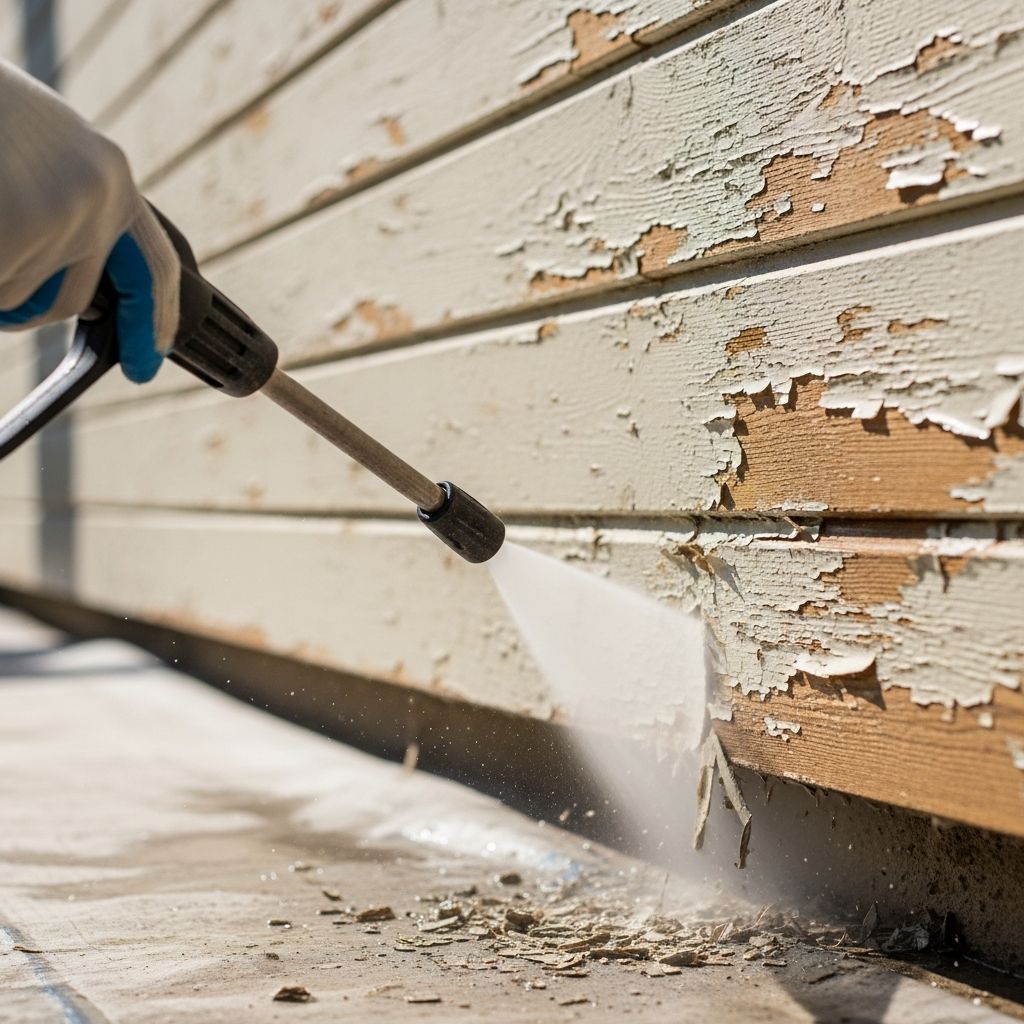
Removing old paint from the exterior of a home is a critical step before applying fresh coats, ensuring better adhesion and a polished look. Done correctly, it rejuvenates siding, trim, and other surfaces without damage. This guide explores reliable methods, safety protocols, and preparation steps to achieve professional results at home.
Essential Safety Measures Before Starting
Protection is paramount when dealing with paint removal, especially on older structures. Homes built before 1978 often contain lead-based paint, which poses severe health risks if disturbed, including neurological damage upon inhalation or ingestion.
- Wear full protective equipment: Goggles shield eyes from debris, gloves prevent chemical burns and lead absorption through skin, and a respirator mask filters dust and fumes.
- Ensure proper ventilation: Work outdoors or in open areas to disperse vapors; use fans if needed for enclosed spaces.
- Test for lead: Use EPA-approved kits to detect lead; if positive, follow certified lead-safe practices or hire professionals.
- Secure the site: Cover plants, block access for children and pets, and lay down tarps to contain debris.
- Handle waste properly: Collect chips and residue in sealed bags for hazardous disposal, avoiding drains or soil.
These steps minimize risks, complying with guidelines from health authorities.
Preparation Steps for Optimal Results
Success begins with thorough preparation. Clean surfaces using a pressure washer at low setting to remove dirt, mildew, and loose flakes without embedding grime deeper.
- Inspect for damage: Repair cracks or rot in wood or siding first.
- Protect surroundings: Tape off windows, doors, and landscaping with plastic sheeting.
- Choose method wisely: Consider surface type (wood, metal, masonry), paint layers, and weather—avoid rainy or windy days.
A well-prepped area reduces effort and prevents rework.
Manual Scraping: The Low-Tech Approach
Manual scraping suits small areas or budgets, relying on physical tools for precision control. It’s ideal for peeling paint on flat surfaces like trim or doors.
Tools needed: Paint scrapers, putty knives (rigid blade), wire brushes, steel wool.
Process:
- Hold scraper at 30-45 degree angle to lift paint without gouging substrate.
- Work in sections, applying firm, even pressure; soften stubborn spots with warm soapy water.
- Follow with wire brush for crevices, then fine steel wool for smoothing.
Pros: No chemicals or power; minimal dust. Cons: Labor-intensive for large surfaces. Expect 2-3 times longer than powered methods.
Heat-Based Paint Removal Methods
Heat softens paint for easy lifting, effective on wood without chemicals. Use electric heat guns or infrared devices.
| Method | Temperature | Best For | Risks |
|---|---|---|---|
| Heat Gun | 500-1100°F | Wood trim, siding | Fire hazard, lead vapor |
| Infrared Remover | Lower heat | Large areas | Slower but safer |
Steps:
- Warm gun per instructions; hold 2-3 inches from surface, moving steadily to bubble paint.
- Scrape immediately at 30-degree angle into a collection tray.
- Sand remnants with fine grit; stop if smoke appears.
Avoid on metal to prevent warping; test small areas first.
Chemical Strippers: Powerful Penetration
Chemical strippers dissolve multiple layers quickly, perfect for intricate details or thick buildup. Opt for biodegradable, low-VOC formulas.
Application guide:
- Brush on thickly; cover with plastic wrap to retain moisture (per label).
- Wait 15-30 minutes until paint wrinkles; do not exceed time to avoid substrate etch.
- Scrape neutralized goo into buckets; rinse with water and scrub residue.
Neutralize with water or baking soda solution post-use. Methylene chloride-free options are safer for DIY.
Power Tools for Efficiency
For expansive exteriors, power tools accelerate removal. Key options include sanders, grinders, and pressure washers.
- Orbital/Power Sander: Coarse (40-60 grit) to fine (120+); vacuum attachment curbs dust.
- Angle Grinder with Strip Disk: Fast on metal/wood; angle at 15 degrees, steady motion.
- Pressure Washer: 1500-2000 PSI for decks; add stripper for boost.
Always use dust extraction and hearing protection.
Special Considerations for Different Surfaces
Wood Siding and Trim
Gentle methods like heat or scraping preserve grain; sand lightly post-removal for stain absorption.
Masonry and Brick
Avoid chemicals; use wire cups on grinders or soda blasting to prevent porous damage.
Metal Surfaces (Gutters, Railings)
Mineral spirits or grinders excel; vinegar-baking soda boil for small parts.
Dealing with Lead Paint Challenges
Lead requires RRP (Renovation, Repair, Painting) certification for pros. DIY: Wet scrape to suppress dust, use HEPA vacuums, and decontaminate thoroughly—shower, launder clothes separately.
Cleaning Up and Surface Finishing
Post-removal, wash with TSP substitute, rinse, and prime bare wood within 48 hours. Sand to 220 grit for smoothness.
Frequently Asked Questions
What is the safest way to remove exterior paint?
The safest DIY method is manual scraping with wet techniques, especially for potential lead paint, combined with full PPE.
Can I use a pressure washer for paint removal?
Yes, for decks and siding at moderate PSI; pair with stripper for tough layers but test to avoid wood fiber damage.
How do I know if my paint has lead?
Test kits from hardware stores react to lead; positive results mean professional handling or strict EPA wet methods.
Is chemical stripping eco-friendly?
Choose biodegradable strippers; dispose waste per local hazardous rules to minimize environmental impact.
How long does paint removal take for a house?
Varies: Small projects 1-2 days; full house 1-2 weeks with power tools and help.
Pro Tips for Long-Lasting Results
- Work top-down to control mess.
- Prime immediately after stripping.
- Monitor weather: Ideal 50-85°F, low humidity.
- For big jobs, rent pro-grade tools.
Mastering these techniques extends your home’s curb appeal for years.
References
- Lead Paint Safety Guidelines — U.S. Environmental Protection Agency (EPA). 2023-01-15. https://www.epa.gov/lead/renovation-repair-and-painting-rrp-rule
- Paint Stripping and Surface Preparation — Occupational Safety and Health Administration (OSHA). 2024-05-10. https://www.osha.gov/paint-stripping
- How to Remove Paint with Different Methods — Sherwin-Williams. 2025-02-20. https://www.sherwin-williams.com/en-us/project-center/paint/how-to-remove-old-paint
- Guidelines for Exterior Paint Removal — This Old House. 2024-11-05. https://www.thisoldhouse.com/this-old-house/season-24/winchester-house/how-to-strip-years-of-paint-off-a-house
- Safe Practices for Lead-Based Paint Removal — Centers for Disease Control and Prevention (CDC). 2023-08-12. https://www.cdc.gov/niosh/topics/lead/default.html
Similar Articles







Read full bio of Sneha Tete