Spotting ACT And SAT Prep Frauds: Key Warning Signs
Protect your family from costly scams targeting college test prep with proven strategies and real-world warnings.
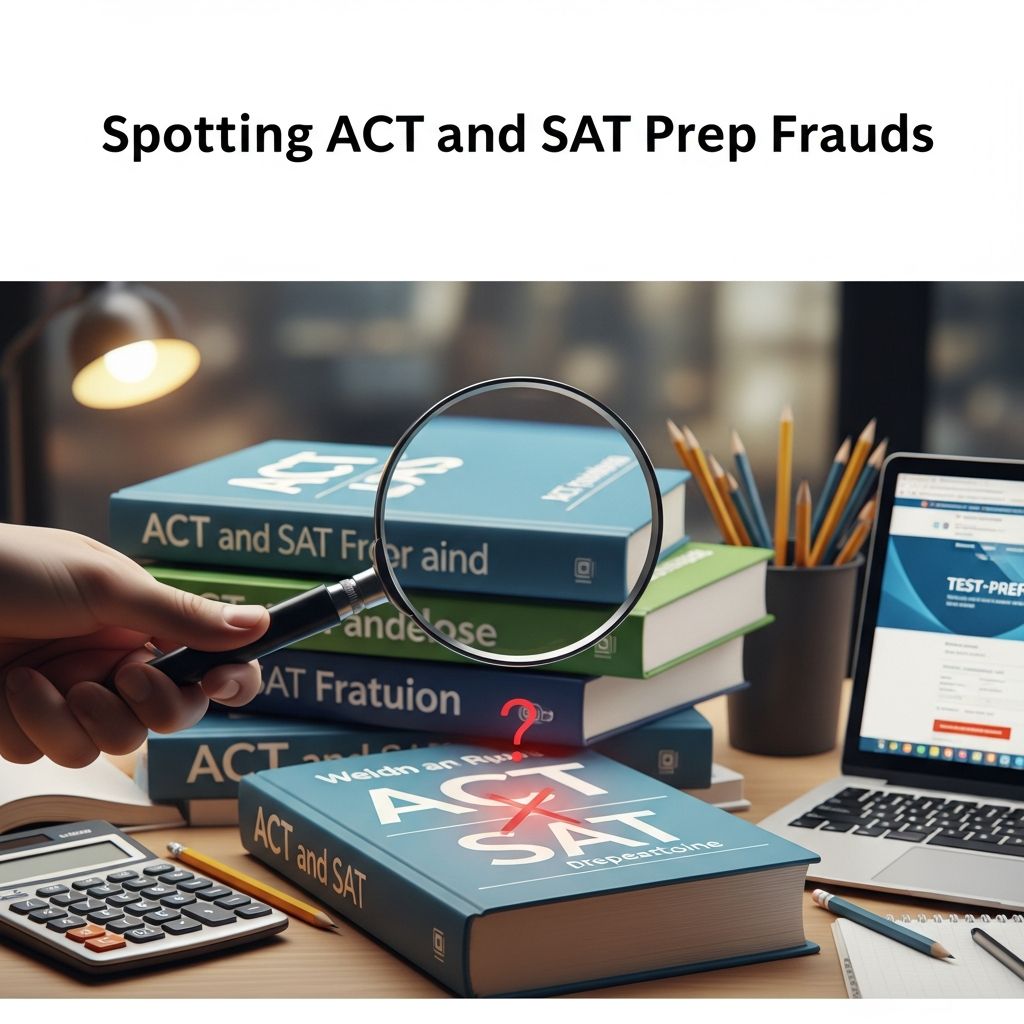
Spotting ACT and SAT Prep Frauds
High school students and their families face immense pressure during college admissions season, especially when preparing for standardized tests like the ACT and SAT. Scammers exploit this stress by posing as legitimate prep providers, tricking parents into handing over credit card details for nonexistent materials. These frauds often involve detailed personal information about the student, making them seem authentic. Awareness of common tactics empowers families to focus on genuine study resources without financial loss.
Understanding the Growing Threat of Test Prep Deceptions
Every year, as registration deadlines approach for the SAT and ACT, reports of fraudulent schemes surge. Con artists contact parents via phone or email, claiming affiliation with official organizations like the College Board, which administers these exams. They assert that the student requested study aids such as books, online access, or USB drives during school registration. To heighten credibility, callers recite specifics like the child’s name, school, test date, and location—details easily harvested from public sources or social media.
These operations thrive because parents, eager to support their child’s success, act quickly without verification. Victims typically surrender payment information for a supposed ‘deposit’ or ‘holding fee,’ promised to be refunded after a trial period. In reality, no materials arrive, charges stick—often around $250—and personal data fuels further crimes.
Classic Tactics Employed by Fraudsters
Fraudsters refine their approaches to mimic legitimate outreach. Here’s how they operate:
- Unsolicited Contact: Calls or emails arrive without prior interaction, often during peak prep seasons like spring.
- Impersonation: Pretending to represent the College Board or similar entities, using scripted pitches that sound professional.
- Personalization: Armed with student details from online profiles, school directories, or data breaches, creating urgency and trust.
- Free Trial Bait: Offering ‘free’ materials with a refundable deposit via credit card, exploiting goodwill.
- Pressure Techniques: Insisting on immediate confirmation to ‘secure’ the spot or avoid missing deadlines.
Real accounts highlight the sophistication. One parent recounted a caller who knew their daughter’s SAT test details and provided a confirmation number, only for a $249.95 charge to appear instantly. Another nearly fell for a smooth operator demanding card details for USB drives supposedly requested at school.
Official Positions from Test Administrators
Legitimate bodies like the College Board and ACT Inc. explicitly warn against these impersonations. They never solicit financial information over the phone or email for prep materials. All official resources, such as free practice tests and Khan Academy partnerships, are accessible directly via their websites without deposits or unsolicited outreach.
Parents should verify any claim by contacting the organization through official channels listed on their homepage, not numbers provided by the caller. This simple step dismantles most scams immediately.
Key Indicators of a Potential Scam
Recognizing warning signs prevents victimization. Use this table to evaluate suspicious contacts:
| Red Flag | Description | Legitimate Alternative |
|---|---|---|
| Unexpected Call/Email | No prior request or signup | Initiate contact yourself via official site |
| Requests Payment Upfront | Deposit for ‘free’ trial materials | Free official practice tests available online |
| High-Pressure Language | “Act now or lose access” | No rush; prep materials are always accessible |
| Too-Good-to-Be-True Offers | Guaranteed score boosts | Real prep focuses on practice, not miracles |
| Unofficial Payment Methods | Wire transfer or gift cards | Credit cards only through verified platforms |
Additional clues include poor grammar in emails, generic greetings, or refusal to provide verifiable business details. Always cross-check the caller’s company on trusted scam trackers.
Practical Steps to Safeguard Your Family
Proactive measures build a strong defense:
- Verify Independently: Hang up and visit the official College Board or ACT website. Use contact info from there only.
- Consult Your Student: Confirm if they requested anything; scammers often fabricate school-based requests.
- Research the Provider: Search BBB.org or Scam Tracker for complaints using the company name plus “scam.”
- Decline Unsolicited Offers: Legitimate prep doesn’t cold-call for payments.
- Secure Personal Info: Limit public sharing of test details on social media; adjust privacy settings.
If targeted, report to the FTC at consumer.ftc.gov, your state attorney general, and local Better Business Bureau. Dispute charges promptly with your credit card issuer—many recover funds this way.
Choosing Reliable Test Preparation Options
Steer toward proven, transparent alternatives:
- Official Free Resources: College Board’s partnership with Khan Academy offers personalized SAT practice. ACT provides free practice tests.
- School Programs: Many high schools offer counselor-recommended workshops or peer tutoring at no cost.
- Reputable Providers: Look for those with verifiable reviews on BBB, transparent pricing, and trial options without deposits. Examples include structured online platforms with progress tracking.
- Tutors: Hire certified educators via school referrals or platforms with vetting processes.
Invest time in self-paced study plans. Consistent practice with real past exams yields better results than any gimmick.
Real-Life Lessons from Scam Survivors
Victim stories underscore the importance of caution. A Georgia parent lost $250 to a caller posing as College Prep Tutors, who promised returnable USB materials—none arrived. In New England, hundreds reported similar ploys, with scammers leveraging social media data. One distracted parent caught the fraud mid-call by searching online, avoiding payment.
These cases reveal a pattern: Scammers prey on busy families. A quick pause to verify saves hundreds and preserves data security.
Frequently Asked Questions
Does the College Board call parents for prep materials?
No. They provide free resources online and never request payment over the phone.
What if I gave my credit card details?
Contact your card issuer immediately to dispute the charge and monitor for fraud. Report to FTC.
Are email scams common too?
Yes, alongside calls. Always check sender domains against official ones.
How do scammers get my child’s info?
From public social media, school sites, or data brokers. Tighten privacy settings.
Is there a safe way to buy paid prep?
Yes, through official apps, vetted tutors, or platforms with money-back guarantees and BBB accreditation.
Building Long-Term Prep Habits
Beyond avoiding scams, foster effective routines. Start early with diagnostic tests to identify weaknesses. Dedicate weekly sessions to each section—math, reading, science for ACT; evidence-based reading, writing, math for SAT. Track progress with timed mocks. Combine with healthy sleep and nutrition for peak performance.
Parental involvement matters: discuss goals, review practice scores, but avoid pressure. Resources like community college courses or library books offer affordable boosts.
In summary, vigilance turns potential pitfalls into preparation triumphs. By spotting frauds early and embracing verified tools, families navigate test season confidently.
References
- SAT, ACT prep scams are popping up. Here’s what to look out for as parents sign kids up for college tests — KIRO 7 News (affiliate WSOC-TV). 2023. https://www.kiro7.com/news/local/sat-act-prep-scams-are-popping-up-heres-what-look-out-parent/KO2SATDQT5BJVNEWO3HYMLTAD4/
- BBB Scam Alert: Watch out for SAT prep scams — Better Business Bureau. 2023-04-12. https://www.bbb.org/article/news-releases/23883-bbb-scam-alert-watch-out-for-sat-prep-scams
- Parents, beware! Crooks could be selling you fake SAT, ACT prep materials — WSB-TV (YouTube transcript). 2023. https://www.youtube.com/watch?v=bDvPegyp3aI
- College test prep scams are happening — Federal Trade Commission (FTC). 2018-10-01. https://consumer.ftc.gov/consumer-alerts/2018/10/college-test-prep-scams-are-happening
Similar Articles






Read full bio of Sneha Tete