Linguistics Scholarships: Complete Guide To Funding 2025
Unlock funding opportunities for linguistics students at every academic level with this comprehensive guide to top scholarships and grants.
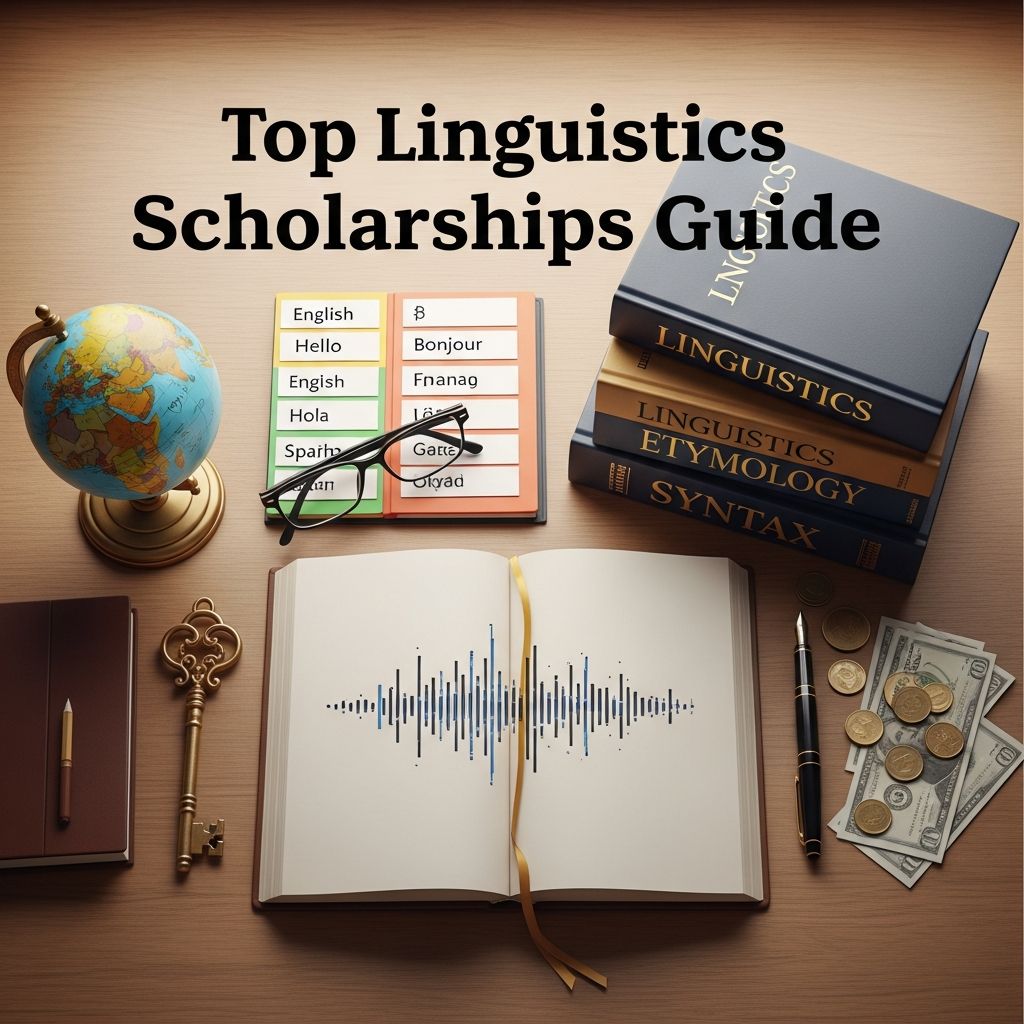
Top Linguistics Scholarships Guide
Linguistics, the scientific study of language structure, evolution, and use, opens doors to careers in academia, technology, translation, and cultural preservation. However, funding advanced study can be challenging. This guide highlights key scholarships and grants tailored for linguistics students, drawing from federal programs, professional societies, and specialized foundations. Whether you’re an undergraduate building foundational skills or a graduate tackling dissertation research, these opportunities can cover tuition, stipends, travel, and fieldwork costs.
Why Pursue Linguistics Funding?
Studying linguistics often involves intensive language training, computational tools, fieldwork in remote areas, and interdisciplinary research. Costs add up quickly, from software licenses to international travel. Scholarships not only alleviate financial burdens but also enhance resumes with prestigious affiliations, networking events, and research experience. Federal initiatives prioritize national security languages and endangered language documentation, while society awards recognize emerging talent.
Federal Fellowships for Language Mastery and Research
Government-backed programs provide substantial support for linguistics students interested in critical languages and innovative research.
- Foreign Language and Area Studies (FLAS) Fellowships: Funded under Title VI, these awards support study of less-commonly taught languages paired with area studies. Graduate recipients typically receive $15,000-$18,000 stipends plus tuition remission for academic years, with summer intensives offering up to $5,000 stipends. Undergrads qualify at select institutions. Apply through FLAS-designated universities, with deadlines often in January-February.
- National Security Language Initiative for Youth (NSLI-Y): Ideal for high school students aged 15-18 preparing for college linguistics. Fully funded summer or year-long immersion abroad in languages like Arabic, Chinese, or Russian. Builds credentials for future college applications and scholarships.
- National Science Foundation Graduate Research Fellowship Program (GRFP): Offers $37,000 annual stipends plus $16,000 cost-of-education allowances for three years to promising graduate students in linguistics research, including computational, sociolinguistics, and psycholinguistics. Deadlines typically in October.
Research Grants for Endangered Languages and Dissertations
Preserving vanishing languages is a cornerstone of modern linguistics. Dedicated grants fund documentation, community partnerships, and data archiving.
| Grant Name | Award Amount | Focus Area | Deadline |
|---|---|---|---|
| Endangered Language Fund Grants | Up to $2,000-$5,000 | Language preservation projects | February |
| NSF Doctoral Dissertation Research Improvement (LING-DDRI) | Up to $12,000 direct costs | Dissertation fieldwork, equipment | Varies by solicitation |
| Endangered Languages Documentation Programme (ELDP) | Up to €10,000 small grants | Documentation and archiving | Rolling |
These grants emphasize ethical practices, such as community involvement and open-access outputs like digital corpora. Applicants should propose clear methodologies and impact statements.
Professional Society Awards and Institute Fellowships
The Linguistic Society of America (LSA) and similar bodies offer targeted fellowships, especially for their biennial Linguistic Institutes—intensive summer programs with cutting-edge courses.
- LSA Linguistic Institute Fellowships: Up to $3,200 per award, covering tuition, travel, and housing. Named fellowships include the Ken Hale for endangered language documentation ($3,200), Charles Fillmore for computational linguistics ($2,500), and Warren Cowgill for underrepresented students ($2,500). Open to undergrads and grads; biennial deadlines around March.
- American Translators Association (ATA) Student Scholarship: $1,500 for translation-focused linguistics students. Annual spring deadline.
These high-ROI awards build networks and showcase expertise through institute participation.
Undergraduate Opportunities: Building Foundations
Early-career students can access scholarships for language immersion, study abroad, and introductory research.
- Jean L. Jensen Language Arts Scholarship: $1,000 for undergrads in linguistics or language degrees. Deadline April 1.
- Corinne Jeannine Schillings Foundation Scholarship: $1,500 for female undergrads (Girl Scout Silver/Gold recipients) studying foreign languages. May deadline.
- Charles L. Hebner Memorial Scholarship: Supports linguistics undergrads with language study interests. Varies by cycle.
Campus-specific awards, like those from the University of Iowa’s Linguistics department (up to $3,000), reward high-achieving majors.
Graduate and Advanced Study Funding
PhD candidates benefit from dissertation support and multi-year stipends.
- Beinecke Scholarship: $35,000 over four years for humanities grads, including linguistics. March deadline.
- Language Learning Dissertation Grant Program: Up to $2,000 for applied linguistics theses. Spring deadline.
Combine with teaching assistantships for comprehensive funding packages.
Application Strategies for Success
To stand out:
- Tailor Proposals: Align with funder priorities, e.g., national security for FLAS or community impact for ELDP.
- Secure Strong Letters: From professors familiar with your language proficiency or research potential.
- Highlight Impact: Quantify outcomes, like corpora created or languages reached.
- Apply Early and Broadly: Many have February-April deadlines; track via Fastweb or Scholarships.com.
- Leverage Campus Resources: Financial aid offices often match students to institutional linguistics funds.
Average award sizes range from $1,000-$37,000, with competitive GPAs above 3.5 and demonstrated language skills boosting chances.
Alternative Funding Paths
Beyond scholarships, consider Boren Awards for national security languages (up to $20,000 plus service commitment), paid research assistantships, and crowdfunding for fieldwork via platforms like Experiment.com. Internships at tech firms (e.g., natural language processing roles) provide stipends and experience.
FAQs
Are linguistics scholarships only for native speakers?
No, most reward analytical skills and commitment to language study, regardless of background.
Can international students apply?
Many federal programs like GRFP require U.S. citizenship; society awards vary.
What if I’m interdisciplinary (e.g., linguistics + CS)?
Programs like NSF GRFP and Fillmore Fellowship explicitly welcome computational linguistics.
How do deadlines work for institute fellowships?
Align with LSA Institute cycles (odd years); check lsadc.org annually.
What’s the most generous linguistics award?
NSF GRFP at $37,000/year stands out for its scale and duration.
References
- 25+ Best Linguistics Scholarships & Grants — Scholarshipsandgrants.us. 2025-09-21. https://scholarshipsandgrants.us/list/major/linguistics/
- Scholarship & College Guide for Studying Linguistics and Languages — Study.com. Accessed 2026. https://study.com/resources/languages-linguistics-scholarship-college-guide.html
- Scholarships for Students Interested in Linguistics — College Raptor. Accessed 2026. https://www.collegeraptor.com/paying-for-college/articles/scholarships/scholarships-students-interested-linguistics/
- Linguistic Institute Fellowships — Linguistic Society of America. Accessed 2026. https://www.lsadc.org/content.asp?contentid=426
- 41 Scholarships for Linguistics Majors — SmartScholar. Accessed 2026. https://www.smartscholar.com/scholarships/scholarships-for-linguistics-majors/
- Linguistics Scholarships — Scholarships.com. 2026-02-06. https://www.scholarships.com/financial-aid/college-scholarships/scholarship-directory/academic-major/linguistics
Similar Articles







Read full bio of medha deb