Understanding Architecture: Art, Science, and Society
Discover the essence of architecture as a blend of creativity, engineering, and cultural expression shaping human environments.
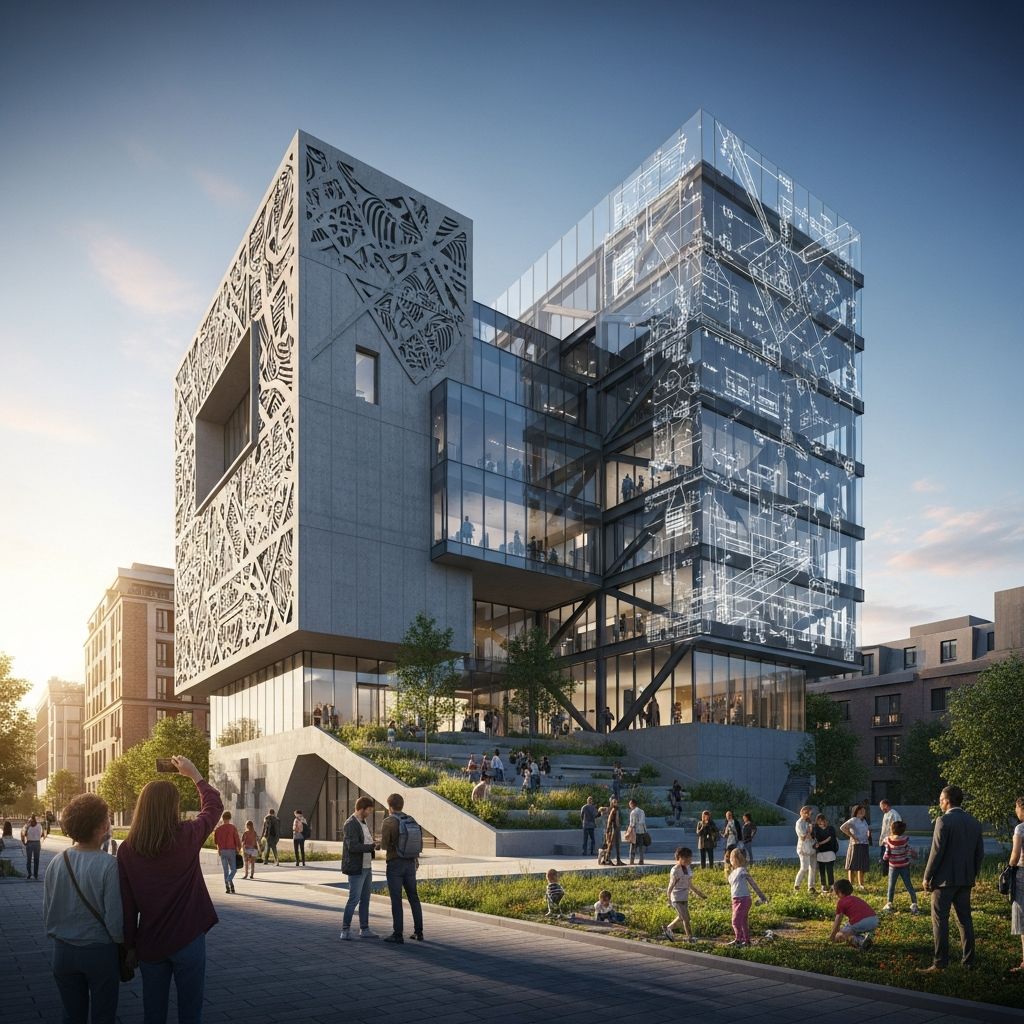
Architecture represents the thoughtful integration of artistic vision and scientific precision to create spaces that support human activities while inspiring awe and reflection. It goes beyond mere construction, embodying cultural values, environmental responses, and innovative problem-solving.
The Fundamental Essence of Architectural Design
At its core, architecture involves planning and erecting structures like homes, offices, bridges, and public spaces that harmonize utility with beauty. This discipline addresses both the practical demands of shelter and movement and the expressive needs of identity and emotion. Structures crafted through architecture reveal societal priorities, from climate adaptations to ceremonial functions, making them mirrors of their creators’ worlds.
Unlike pure engineering, which focuses on structural integrity, architecture emphasizes holistic experiences. It organizes environments to foster productivity, comfort, and delight, ensuring buildings are not just standing but alive with purpose. This dual nature—practical yet poetic—distinguishes it as a field where creativity meets calculation.
Historical Foundations and Evolutionary Milestones
Architecture’s roots trace back to ancient civilizations, where early humans transitioned from nomadic shelters to monumental edifices. Egyptian pyramids demonstrated mastery over scale and symbolism, while Greek temples perfected proportion and symmetry, influencing designs for millennia. Roman innovations in arches and domes enabled vast interiors, laying groundwork for cathedrals and basilicas in medieval Europe.
The Renaissance revived classical ideals, with figures like Brunelleschi pioneering perspective and humanism in structures like Florence’s Duomo. Industrial revolutions introduced iron and glass, birthing skyscrapers and modernists like Frank Lloyd Wright, who championed organic integration with nature. Today, digital tools and sustainability drive parametric designs and eco-friendly skyscrapers, continuing this adaptive legacy.
- Ancient Era: Megalithic monuments and ziggurats focused on permanence and ritual.
- Classical Period: Emphasis on orders (Doric, Ionic, Corinthian) for harmony.
- Modernism: ‘Form follows function’ mantra, minimalism, and new materials.
- Contemporary: Smart buildings, biophilic design, and resilient urbanism.
Core Principles Guiding Architectural Practice
Successful architecture adheres to timeless principles: form, function, and context. Form refers to the visual shape and aesthetic appeal, function to usability and efficiency, and context to site, culture, and environment. These must balance, as overly aesthetic designs fail practically, while purely functional ones lack soul.
| Principle | Description | Example |
|---|---|---|
| Form | Shape and visual impact | Guggenheim Museum’s spiral |
| Function | Practical utility | Hospitals optimized for flow |
| Context | Environmental harmony | Earthships using local materials |
| Sustainability | Long-term viability | Net-zero energy buildings |
These elements ensure structures withstand time, disasters, and evolving needs, reducing complexity and enhancing adaptability.
The Architect’s Pivotal Role in Shaping Spaces
An architect serves as the orchestrator of space, blending technical expertise with imaginative foresight. They conceptualize layouts, select materials, integrate landscapes, and oversee interiors, ensuring every aspect—from foundations to facades—aligns with client visions and regulations. Beyond drawing plans, architects navigate budgets, collaborate with engineers, and advocate for sustainable practices.
Qualifications include rigorous education, licensure exams, and continuous learning. Their work demands understanding human psychology, as spaces influence mood and behavior—open atriums boost collaboration, natural light enhances well-being. Architects thus act as societal stewards, designing not just buildings but futures.
Architecture’s Societal and Cultural Impact
Buildings shape communities, economies, and identities. Iconic landmarks like the Eiffel Tower or Sydney Opera House become cultural beacons, driving tourism and pride. Urban planning through architecture mitigates issues like overcrowding, promoting inclusive public realms.
In daily life, architecture affects health via ventilation and light, productivity through ergonomics, and sustainability by minimizing energy use. Resilient designs combat climate change, using passive cooling or flood-resistant features. Historically, architecture reflects ideologies—from Gothic spires symbolizing faith to Brutalist concrete expressing post-war grit.
Innovations and Future Trajectories in Architecture
Modern architecture leverages technology: BIM (Building Information Modeling) for 3D simulations, AI for optimization, and 3D printing for rapid prototyping. Parametricism allows fluid, algorithm-driven forms, seen in Zaha Hadid’s flowing masterpieces. Sustainability dominates, with green roofs, solar facades, and circular economies reducing waste.
Future trends include adaptive reuse—repurposing old factories into lofts—and vertical forests integrating nature into cities. Smart materials that self-heal or change opacity promise efficiency. Amid urbanization, architecture must prioritize equity, ensuring affordable housing and accessible public spaces.
Common Misconceptions About Architecture Clarified
- Myth: Architecture is just aesthetics. Reality: It demands engineering rigor for safety and durability.
- Myth: All buildings are architecture. Reality: True architecture transcends construction, embodying conceptual depth.
- Myth: Architects only design luxury. Reality: They tackle diverse scales, from homes to infrastructure.
Frequently Asked Questions (FAQs)
What distinguishes architecture from construction?
Architecture focuses on design, aesthetics, and user experience, while construction executes the build. Architects conceptualize; builders realize.
How does architecture influence daily life?
It shapes how we work, rest, and interact—efficient layouts reduce stress, inspiring designs elevate spirits.
Why is sustainability crucial in modern architecture?
With climate challenges, sustainable designs conserve resources, lower emissions, and ensure longevity against disasters.
What education is needed to become an architect?
Typically a 5-year professional degree, internship, and licensure exam like the ARE in the US.
Can architecture adapt to future technologies?
Yes, through AI, robotics, and smart systems, enabling responsive, efficient structures.
Practical Applications Across Scales
Residential architecture prioritizes comfort and personalization, commercial focuses on revenue-generating flows, and civic emphasizes communal gathering. Infrastructure like bridges demands resilience and minimal intrusion. Each scale requires tailored approaches, yet all share the goal of enhancing life quality.
In education, architecture fosters learning via flexible classrooms; in healthcare, it aids healing with calming environments. This versatility underscores its societal indispensability.
References
- Architecture | Definition, Techniques, Types, Schools, Theory, & Facts — Encyclopædia Britannica. 2023-10-15. https://www.britannica.com/topic/architecture
- Architecture Definition | Dragon1 Open EA Method — Dragon1. 2024-01-20. https://www.dragon1.com/terms/architecture-definition
- What is Architecture? Defined by an Industry Expert — Development One. 2023-05-12. https://developmentone.net/what-is-architecture/
- What is Architecture? | Life of an Architect — Life of an Architect. 2022-11-08. https://www.lifeofanarchitect.com/what-is-architecture-2/
- What is architecture and why is it important? – Applet 3D — Applet3D. 2024-03-05. https://applet3d.com/blog/architecture/what-is-architecture/
Similar Articles








Read full bio of medha deb