Understanding Biography: Life Stories Unveiled
Dive deep into the art of biography writing, exploring its history, types, and enduring impact on readers and society.
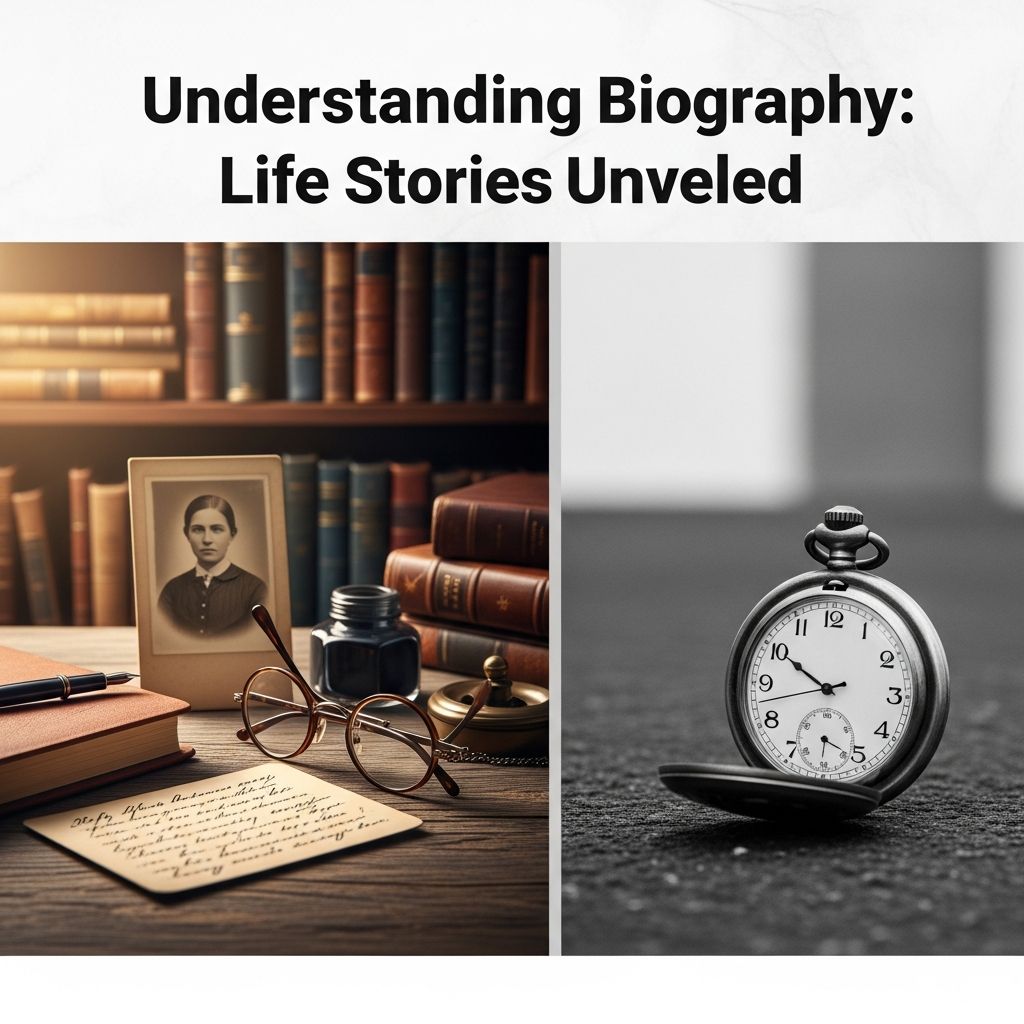
Biographies capture the essence of human existence, weaving together facts, experiences, and insights into compelling narratives about real individuals. These accounts go beyond mere chronologies, offering readers a window into the motivations, triumphs, and struggles that define remarkable lives. As a cornerstone of non-fiction literature, biography helps us connect with the past, empathize with diverse perspectives, and draw lessons for our own journeys.
The Core Essence of Biographical Writing
At its heart, a biography is a detailed narrative of a person’s life, crafted by someone other than the subject. It encompasses not just dates and events but the subjective experiences that shaped their path. Derived from Greek roots meaning ‘life writing,’ this genre prioritizes authenticity while interpreting personal and historical contexts.
Unlike resumes or profiles, biographies delve into intimate details, personality traits, and societal influences. They reconstruct lives using evidence from letters, interviews, diaries, and public records, aiming to present a holistic portrait. This process demands rigorous research to balance objectivity with narrative flair.
Historical Roots and Evolution of Life Narratives
Biographical writing traces back to ancient civilizations. Early examples include Plutarch’s Parallel Lives from the 1st century AD, which compared Greek and Roman figures to extract moral lessons. In the East, texts like the Shiji by Sima Qian chronicled Chinese emperors and generals with vivid detail.
During the Renaissance, the form gained prominence with works like Giorgio Vasari’s Lives of the Artists, blending art history with personal anecdotes. The 18th and 19th centuries saw the rise of modern biography, exemplified by James Boswell’s intimate portrayal of Samuel Johnson, which set standards for depth and candor.
In the 20th century, biographies diversified, incorporating psychological insights and social commentary. Figures like Lytton Strachey revolutionized the genre with concise, interpretive ‘new biographies’ that challenged Victorian hagiography. Today, digital archives and multimedia enable even richer, more accessible accounts.
Key Distinctions: Biography vs. Related Genres
Understanding biography requires differentiating it from similar forms. Here’s a breakdown:
| Genre | Author | Perspective | Scope | Example |
|---|---|---|---|---|
| Biography | Third party | Objective/external | Full life or major periods | Robert Caro’s The Power Broker on Robert Moses |
| Autobiography | Subject themselves | First-person subjective | Often full life | Mahatma Gandhi’s The Story of My Experiments with Truth |
| Memoir | Subject themselves | Reflective, thematic | Specific themes/periods | Vladimir Nabokov’s Speak, Memory |
| Collective Biography | Third party | Group-focused | Multiple lives | Team of Rivals by Doris Kearns Goodwin |
Biographies maintain a commitment to verifiable facts, while autobiographies and memoirs embrace personal bias, often prioritizing emotional truth over chronology.
Diverse Forms Within the Biographical Spectrum
- Authorized vs. Unauthorized: Authorized works receive subject cooperation; unauthorized ones rely on public data, sometimes sparking controversy.
- Cradle-to-Grave: Comprehensive life stories from birth to death.
- Partial Biographies: Focus on pivotal eras, like a leader’s presidency.
- Group Biographies: Interwoven tales of families, teams, or movements, revealing collective impacts.
- Biographical Novels: Fictionalized elements for dramatic effect, blurring lines with historical fiction.
These variations allow biographers to tailor narratives to their subjects’ complexities, from political titans to cultural icons.
The Craft of Creating a Biography
Writing a biography is an investigative art. Authors begin with exhaustive research: archival dives, interviews with contemporaries, and analysis of artifacts. They must navigate ethical dilemmas, such as portraying flaws without sensationalism.
Structure often follows chronology but may employ flashbacks or thematic chapters for engagement. Voice matters—formal for historical figures, conversational for modern subjects. Successful biographers like Walter Isaacson blend empathy with critical distance, humanizing giants like Steve Jobs or Leonardo da Vinci.
Challenges include bias mitigation and source verification. Living subjects complicate matters, requiring consent and fact-checking against their recollections.
Influential Biographies That Shaped History
Certain works transcend entertainment, influencing public perception and policy:
- The Autobiography of Malcolm X (1965): Co-authored with Alex Haley, it humanized a revolutionary, boosting civil rights awareness.
- Steve Jobs by Walter Isaacson (2011): Revealed the innovator’s genius and flaws, impacting tech culture.
- Long Walk to Freedom by Nelson Mandela (1994): Offered intimate insights into apartheid’s end.
- Truman by David McCullough (1992): Pulitzer-winning depiction of an underdog president.
These texts not only preserve legacies but inspire change by illuminating resilience and leadership.
Biography’s Role in Education and Society
Biographies foster empathy, teaching history through personal lenses. In classrooms, they make abstract events tangible—readers grasp World War II via Winston Churchill’s decisions or the Renaissance through Michelangelo’s struggles.
Societally, they challenge myths, humanize villains, and celebrate unsung heroes. In an era of misinformation, well-researched biographies uphold truth, countering simplified narratives on social media. They also democratize history, spotlighting marginalized voices like those of women and minorities in recent works.
Modern Trends and Future Directions
Digital tools are transforming biography. Podcasts, interactive e-books, and AI-assisted research enable multimedia narratives. Graphic biographies, like those on Anne Frank, appeal to visual learners.
Expect more focus on underrepresented lives—queer icons, indigenous leaders, and everyday activists. Collaborative projects, blending subject input with biographer analysis, are rising.
Frequently Asked Questions About Biographies
Can a biography be written about someone still alive?
Yes, many biographies feature living subjects, such as Barack Obama’s or Oprah Winfrey’s, often with their involvement for accuracy.
How does a biography differ from a memoir?
Biographies are third-person accounts by external authors covering full lives objectively; memoirs are first-person, thematic reflections on specific experiences.
Are biographies always factual?
Core facts must be verifiable, but interpretation adds narrative color. Ethical biographers cite sources transparently.
Why read biographies?
They offer profound life lessons, historical context, and inspiration, making complex figures relatable and human.
What’s the best way to start writing a biography?
Gather primary sources, outline chronologically, and focus on themes that reveal character. Revise for balance and engagement.
References
- Biography – Wikipedia — Wikimedia Foundation. 2023-10-15. https://en.wikipedia.org/wiki/Biography
- What is biography? — The British Academy, Professor Dame Hermione Lee. 2020-07-07. https://www.thebritishacademy.ac.uk/blog/what-is-biography/
- Autobiography vs. Biography vs. Memoir — Blurb Blog. 2023. https://www.blurb.com/blog/memoirs-biographies-autobiographies/
- What Is a Biography? — Celadon Books. 2022-05-12. https://celadonbooks.com/what-is-a-biography/
- Biography | Definition & Examples — Encyclopædia Britannica. 2024-01-20. https://www.britannica.com/art/biography-narrative-genre
- Biography Definition & Meaning — Merriam-Webster. 2024. https://www.merriam-webster.com/dictionary/biography
- Biographies and Autobiographies: Home — Community College of Baltimore County Library Guides. 2023-08-01. https://libraryguides.ccbcmd.edu/bio
Similar Articles







Read full bio of medha deb