Understanding Emotional Intelligence: Core Capabilities and Practical Applications
Master the five key dimensions of emotional intelligence to enhance personal and professional relationships
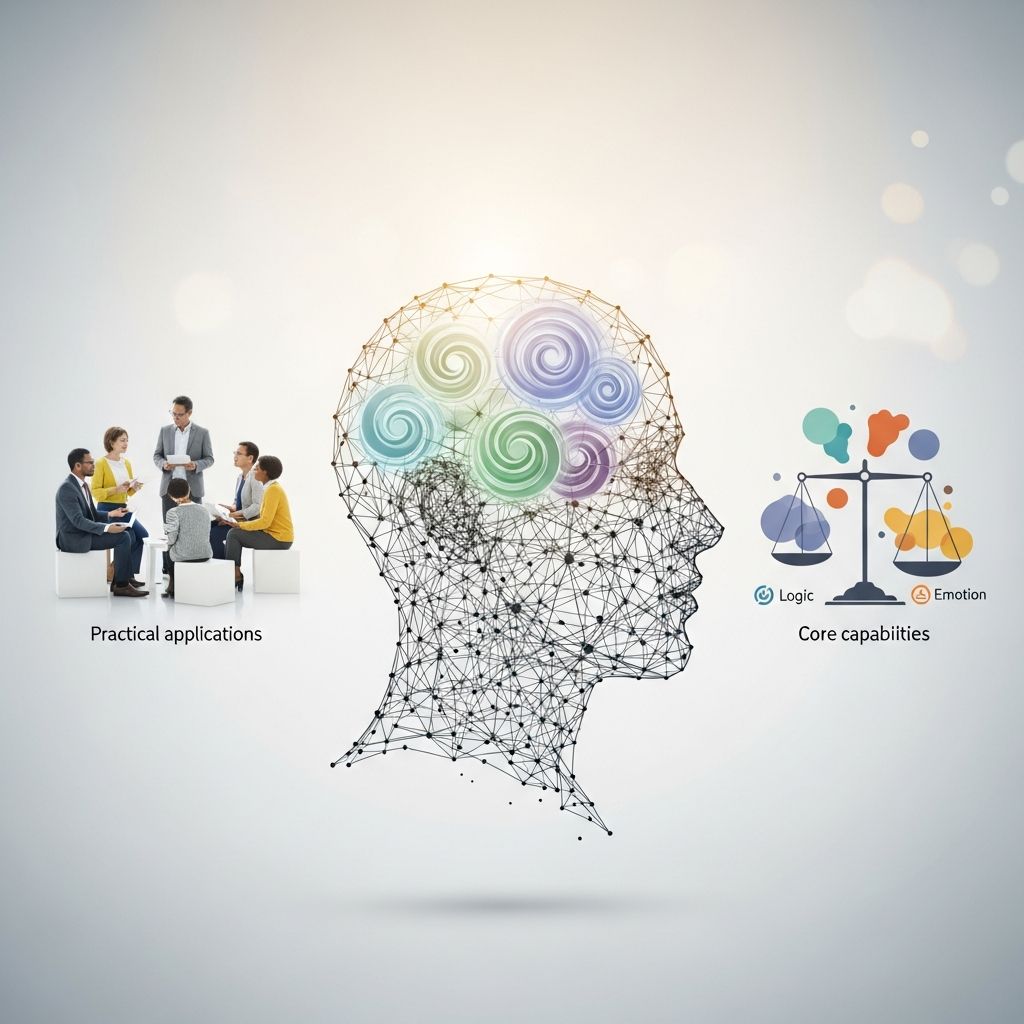
Emotional intelligence represents a fundamental aspect of human capability that extends far beyond traditional measures of cognitive ability. Unlike IQ, which focuses on logical reasoning and problem-solving, emotional intelligence encompasses the capacity to recognize, understand, and effectively manage emotions—both your own and those of others around you. This multifaceted skill set has emerged as a critical differentiator in personal relationships, professional environments, and leadership contexts.
What Makes Emotional Intelligence Essential in Today’s World
In an increasingly complex social and professional landscape, the ability to navigate emotions has become as valuable as technical expertise. Research demonstrates that individuals with higher emotional intelligence experience greater success in their careers, maintain healthier relationships, and demonstrate superior resilience during challenging periods. The concept gained widespread recognition through psychologist Daniel Goleman’s groundbreaking work, which identified the core dimensions that comprise this vital capability.
Unlike innate intelligence, which remains relatively stable throughout life, emotional intelligence can be developed and refined through deliberate practice and self-reflection. This characteristic makes it an accessible skill for anyone willing to invest in personal growth and interpersonal development.
The Foundation: Understanding Your Own Emotional Landscape
Self-Awareness as the Starting Point
Self-awareness forms the bedrock upon which all other emotional intelligence capabilities rest. This dimension involves developing a clear understanding of your emotional states, recognizing what triggers particular feelings, and comprehending how these emotions influence your thoughts, decisions, and behaviors. An individual with strong self-awareness can identify emotional patterns, understand their personal values, and recognize how their emotional responses might affect others.
Cultivating self-awareness requires honest introspection and willingness to examine your emotional reactions without judgment. This might involve journaling about emotional experiences, seeking feedback from trusted colleagues or friends, or working with a mentor to identify patterns in your behavioral responses. The goal is to develop the ability to pause and recognize what you’re feeling in real-time, rather than reacting automatically to emotional triggers.
Self-Regulation: Managing Your Emotional Responses
Once you develop awareness of your emotions, the next critical skill involves managing how you respond to them. Self-regulation refers to your capacity to control impulses, adapt to changing circumstances, and maintain emotional stability even during stressful situations. Rather than suppressing emotions or denying their existence, effective self-regulation means acknowledging what you feel while making conscious choices about your subsequent actions.
This capability becomes particularly important in professional settings where emotional reactions might undermine relationships or decision-making quality. Someone with strong self-regulation might feel frustrated during a challenging meeting but choose to pause, take a breath, and respond thoughtfully rather than react defensively. This skill develops through practice, patience with yourself, and implementation of strategies such as mindfulness, breathing techniques, or cognitive reframing.
Sustaining Drive Toward Meaningful Objectives
Intrinsic Motivation as a Component of Emotional Intelligence
Motivation within the context of emotional intelligence refers to your ability to maintain sustained effort toward your goals, particularly when facing obstacles or experiencing setbacks. This dimension differs from external motivation driven by rewards or external pressure; instead, it emphasizes intrinsic drive rooted in personal values and long-term vision.
Individuals with strong emotional intelligence maintain perspective during difficulties, recognizing that short-term challenges represent temporary obstacles rather than permanent failures. They connect their daily activities to larger purposes, which helps sustain effort even when immediate gratification seems distant. This capacity to persist through adversity, learn from failures, and maintain optimism distinguishes those who achieve their ambitious objectives from those who abandon goals at the first sign of difficulty.
Connecting With Others: The Interpersonal Dimensions
Empathy: Developing Genuine Understanding of Others
Empathy represents the bridge between understanding yourself and effectively navigating relationships with others. This capability involves genuinely comprehending another person’s emotional experience, even when their situation differs significantly from your own. Empathetic individuals can read subtle emotional cues conveyed through facial expressions, tone of voice, and body language, even when those feelings remain unspoken.
Beyond simply recognizing others’ emotions, true empathy involves responding with compassion and adjusting your communication to acknowledge their emotional state. When a colleague expresses concern about a project deadline, an empathetic response involves understanding the source of their worry rather than dismissing their concerns as unfounded. This understanding creates space for more authentic communication and problem-solving that addresses underlying concerns rather than surface-level complaints.
Developing empathy requires consistent practice in perspective-taking. This might involve deliberately considering situations from others’ viewpoints, asking clarifying questions before forming judgments, and listening to understand rather than listening to respond. Over time, these practices strengthen your ability to genuinely connect with others’ experiences.
Social Skills: Translating Understanding Into Effective Interaction
Social skills represent the practical application of self-awareness, self-regulation, and empathy in your interactions with others. These capabilities include your ability to communicate clearly, navigate conflicts productively, build genuine relationships, and inspire or influence others toward shared objectives.
Strong social skills don’t necessarily mean being extroverted or charming; rather, they involve authentic connection, clear communication, and the ability to manage group dynamics effectively. Someone with developed social skills can navigate disagreements without damaging relationships, recognize when others need support and provide it appropriately, and facilitate collaboration among people with different perspectives and working styles.
Practical Applications Across Life Domains
Emotional Intelligence in Professional Environments
In workplace settings, emotional intelligence directly impacts team performance, organizational culture, and individual career progression. Managers with high emotional intelligence create psychologically safe environments where team members feel comfortable sharing ideas and admitting mistakes. They recognize when team members are struggling, adjust their leadership approach accordingly, and address conflicts before they escalate into broader organizational problems.
Beyond management roles, emotional intelligence enhances collaboration across all positions. Individuals who understand their own emotional triggers avoid unnecessary conflict, while those who recognize colleagues’ emotional states communicate more effectively and build stronger working relationships. This capability proves particularly valuable during organizational change, where emotional intelligence helps people navigate uncertainty and maintain morale.
Relationship Quality and Personal Well-being
In personal relationships, emotional intelligence fosters deeper connections and more satisfying interactions. Individuals who understand their own emotional patterns can communicate their needs more clearly without blaming others. Those who develop empathy navigate disagreements more constructively, seeking solutions that honor both partners’ concerns rather than pursuing victory in conflicts.
Research indicates that higher emotional intelligence correlates with greater relationship satisfaction, improved conflict resolution, and more stable partnerships. Beyond romantic relationships, these skills enhance friendships, family dynamics, and community engagement.
Academic Success and Student Well-being
Students with higher emotional intelligence demonstrate better stress management, more positive peer relationships, and improved academic outcomes. The ability to regulate emotions helps students persist through challenging coursework, while social skills facilitate study group participation and peer support networks. Schools increasingly recognize the importance of teaching these capabilities alongside traditional academic content.
Developing Your Emotional Intelligence: Actionable Strategies
Building Self-Awareness
- Maintain a daily emotional journal noting situations that triggered strong reactions and your subsequent responses
- Request specific feedback from trusted colleagues or mentors about how your emotions affect others
- Practice mindfulness meditation to develop moment-to-moment awareness of your emotional states
- Identify your core values and examine whether your daily actions align with these values
Enhancing Self-Regulation
- Develop a personal stress-management toolkit including breathing exercises, physical activity, or creative outlets
- Implement a pause before responding to emotionally triggering situations
- Practice reframing challenges as opportunities for growth rather than threats
- Establish environmental factors that support emotional stability, such as adequate sleep and healthy nutrition
Strengthening Empathy and Social Skills
- Engage in active listening by genuinely seeking to understand others’ perspectives before forming judgments
- Volunteer or engage in community service to develop understanding of diverse experiences
- Practice perspective-taking by deliberately considering situations from others’ viewpoints
- Seek opportunities to collaborate with people from different backgrounds and experiences
- Address conflicts directly but compassionately, focusing on shared interests rather than positions
Measuring Progress in Emotional Intelligence Development
Unlike academic subjects with clear metrics, emotional intelligence development manifests through behavioral changes and improved outcomes in relationships and professional contexts. You might notice you handle frustration more gracefully, maintain better relationships during conflict, or feel greater satisfaction in your interactions with others.
Formal assessment tools exist that provide structured evaluation of your emotional intelligence across different dimensions. These assessments can identify specific areas for development and help track progress over time. However, the most meaningful measurement comes through reflection on how your relationships and life circumstances have improved as your emotional intelligence has developed.
Common Misconceptions About Emotional Intelligence
Many people mistakenly believe emotional intelligence means being nice or avoiding conflict. In reality, high emotional intelligence sometimes involves having difficult conversations because you recognize their necessity and can conduct them with both clarity and compassion. It doesn’t mean always prioritizing others’ feelings over your own needs; rather, it involves understanding all parties’ emotional needs and seeking solutions that honor everyone involved.
Another misconception suggests that emotional intelligence is static—either you have it or you don’t. Research clearly demonstrates that these capabilities develop throughout life through deliberate practice and reflection. While personality factors influence the ease with which you develop emotional intelligence, commitment to growth can substantially enhance your capabilities.
The Long-Term Impact of Developing Emotional Intelligence
As you cultivate greater emotional awareness and interpersonal effectiveness, the cumulative effects extend far beyond individual interactions. You create positive ripple effects in your organizations and communities as others respond to your emotional awareness and genuine engagement. Your improved relationships provide greater satisfaction and support. Your enhanced ability to manage stress and maintain perspective creates better health outcomes.
Perhaps most significantly, developing emotional intelligence represents an investment in becoming the person you aspire to be. Rather than being driven by reactive emotional patterns established early in life, you gain agency over your responses, relationships, and contributions to the world around you.
References
- Emotional Intelligence: Components, Importance, and Examples — Medical News Today. 2024. https://www.medicalnewstoday.com/articles/components-of-emotional-intelligence
- EI Overview: The Four Domains and Twelve Competencies — Daniel Goleman Emotional Intelligence. https://danielgolemanemotionalintelligence.com/ei-overview-the-four-domains-and-twelve-competencies/
- Emotional Intelligence in Leadership: Why It’s Important — Harvard Business School Online. 2024. https://online.hbs.edu/blog/post/emotional-intelligence-in-leadership
- Improving Emotional Intelligence (EQ): Expert Guide — HelpGuide. 2024. https://www.helpguide.org/mental-health/wellbeing/emotional-intelligence-eq
- Components Of Emotional Intelligence — Kapable. https://kapable.club/blog/emotional-intelligence/components-of-emotional-intelligence/
- Emotional Intelligence Theories & Components Explained — Positive Psychology. 2024. https://positivepsychology.com/emotional-intelligence-theories/
Similar Articles







Read full bio of medha deb