Figurative Meaning Explained
Unlock the power of figurative meaning: how non-literal language enriches communication, literature, and everyday expression.
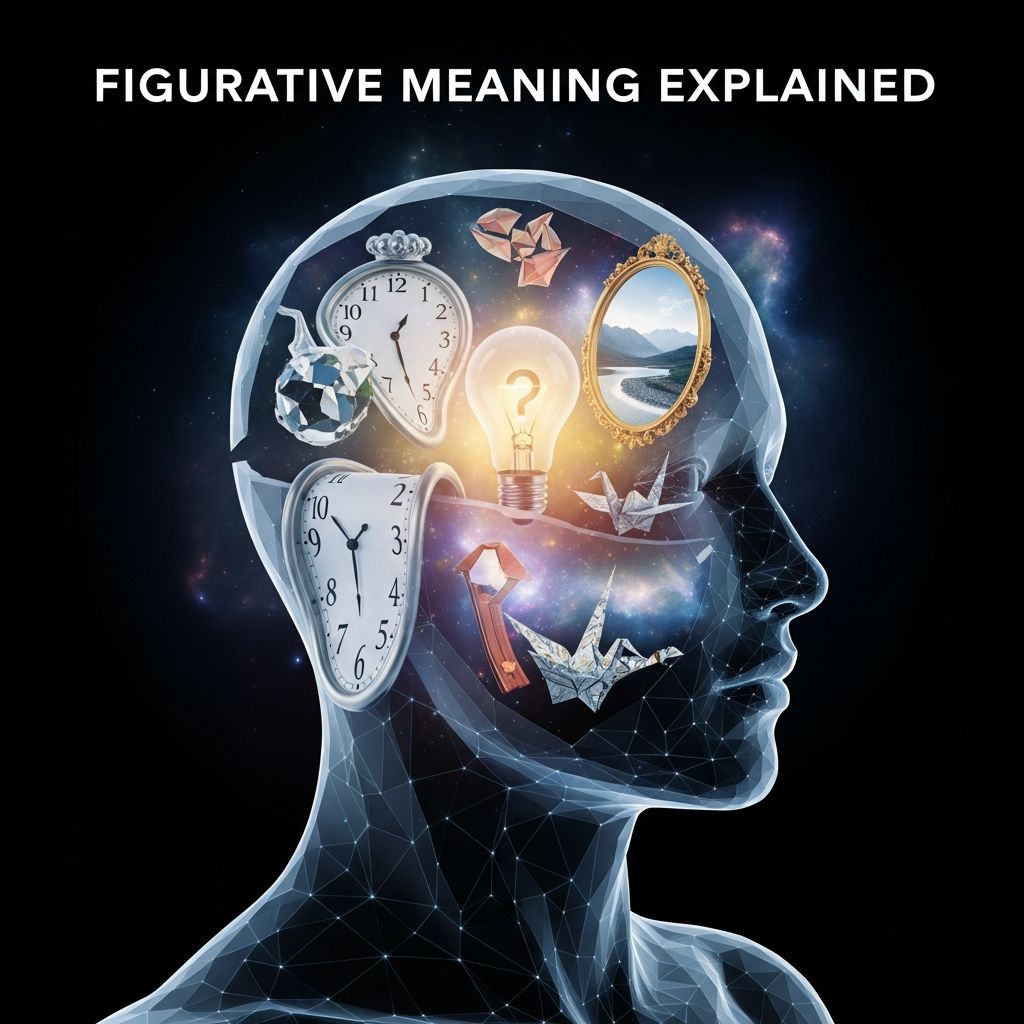
Figurative meaning refers to the non-literal interpretation of words or phrases, where language conveys ideas through imagery, comparison, or symbolism rather than direct, factual description. This approach allows speakers and writers to evoke emotions, create vivid pictures, and add depth to communication in ways that straightforward literal language cannot.
Defining Figurative and Literal Language
At its core,
figurative meaning
involves using words in a symbolic or imaginative way, diverging from their dictionary definition to suggest deeper associations. For instance, saying “it’s raining cats and dogs” does not mean animals are falling from the sky; it figuratively describes heavy rainfall.In contrast, literal meaning sticks strictly to the explicit, dictionary sense of words. “The sky is blue” is literal when describing actual color, but becomes figurative in contexts like “feeling blue” to express sadness.
- Key Distinction: Literal = exact, factual; Figurative = implied, creative.
- Figurative language often relies on context to signal its intended use.
Core Elements of Figurative Expression
Figurative meaning draws from figures of speech, tools that stretch language for effect. Dictionaries like Merriam-Webster define it as “expressing one thing in terms normally denoting another,” often metaphorical. Cambridge emphasizes its imaginative twist for special effects.
| Type | Description | Example |
|---|---|---|
| Metaphorical | Direct comparison without ‘like’ or ‘as’ | “Time is a thief.” |
| Symbolic | Represents ideas via emblems | “Dove of peace.” |
| Non-literal | Extended beyond primary sense | “Head of the table.” |
These elements make language dynamic, as seen in Elizabethan poetry’s florid, figurative style.
Historical Roots and Evolution
The term “figurative” traces to Old French “figuratif,” meaning metaphorical, evolving to encompass art and rhetoric. In ancient rhetoric, Aristotle highlighted figures of speech for persuasion, a practice enduring in modern discourse. Today, figurative meaning thrives in literature, advertising, and casual talk, adapting to cultural shifts.
Common Types of Figurative Language
Metaphors and Similes
**Metaphors** equate unlike things directly: “Her eyes were diamonds,” implying sparkle and value.
Similes
use “like” or “as”: “As brave as a lion.” Both paint mental images, enhancing description.Personification and Hyperbole
**Personification** gives human traits to non-humans: “The wind whispered secrets.”
Hyperbole
exaggerates for emphasis: “I’m so hungry I could eat a horse.” These amplify emotion and humor.Idioms and Allusions
**Idioms** are fixed phrases with non-literal sense: “Kick the bucket” means die.
Allusions
reference external knowledge: “Achilles’ heel” for vulnerability.- Idioms vary culturally, challenging non-native speakers.
- Allusions enrich text for informed readers.
Figurative Meaning in Literature
Writers employ figurative language to layer meaning. Shakespeare’s “All the world’s a stage” metaphorically views life as theater, prompting reflection on roles and acts. In poetry, it creates rhythm and resonance; in novels, it builds immersive worlds.
Modern examples include Toni Morrison’s vivid personifications in Beloved, evoking haunting emotions. Figurative devices foster empathy, making abstract concepts tangible.
Everyday Applications and Impact
Beyond literature, figurative meaning peppers daily speech. “Break a leg” wishes good luck theatrically. In business, “low-hanging fruit” denotes easy gains. It simplifies complex ideas, like “butterflies in my stomach” for anxiety.
Politicians use it for persuasion: “A rising tide lifts all boats” symbolizes economic benefits. However, overuse can confuse, especially across cultures.
Figurative Art and Visual Representation
In art,
figurative
describes realistic depictions of human/animal forms, versus abstract. A figurative sculpture captures likeness, emblematic like the “dove of peace.” This bridges verbal and visual figurative expression.Benefits of Mastering Figurative Meaning
Using figurative language boosts creativity, engagement, and persuasion. It:
- Evokes emotions vividly.
- Simplifies explanations.
- Enhances memorability.
- Adds stylistic flair.
Students improve reading comprehension by spotting it; writers craft compelling narratives.
Challenges and Misinterpretations
Not all grasp figurative nuances. ESL learners struggle with idioms. Context clues help: tone, situation signal non-literal intent. Over-reliance risks obscurity; balance with literal clarity is key.
Tips for Effective Use
- Know Your Audience: Tailor complexity to comprehension levels.
- Combine with Literal: Anchor imagery in facts.
- Practice Identification: Analyze songs, ads for examples.
- Avoid Clichés: Innovate for freshness.
Frequently Asked Questions (FAQs)
What is the difference between figurative and literal meaning?
Figurative meaning is imaginative and non-exact, while literal is direct and factual.
Why use figurative language in writing?
It creates vivid imagery, emotions, and engagement beyond plain description.
Is “figuratively” ever used literally?
Common misuse like “I literally died laughing” is actually hyperbolic figurative.
How does figurative meaning appear in art?
As representational forms of figures, not abstract.
Can figurative language confuse readers?
Yes, without context, especially idioms or cultural references.
Conclusion: Embracing Non-Literal Power
Figurative meaning transforms ordinary words into extraordinary tools, enriching human expression across mediums. By understanding and applying it, we communicate more powerfully.
References
- FIGURATIVE Definition & Meaning — Dictionary.com. Accessed 2026. https://www.dictionary.com/browse/figurative
- FIGURATIVE Definition & Meaning — Merriam-Webster. Accessed 2026. https://www.merriam-webster.com/dictionary/figurative
- Figurative – Definition, Meaning & Synonyms — Vocabulary.com. Accessed 2026. https://www.vocabulary.com/dictionary/figurative
- Figurative Language Examples: 6 Common Types and Definitions — Grammarly. 2023-10-12. https://www.grammarly.com/blog/writing-tips/figurative-language/
- FIGURATIVE | definition in the Cambridge English Dictionary — Cambridge Dictionary. Accessed 2026. https://dictionary.cambridge.org/us/dictionary/english/figurative
- Figurative Language – Definition and Examples — Proofed. Accessed 2026. https://proofed.com/writing-tips/figurative-language-definition-and-examples/
Similar Articles







Read full bio of Sneha Tete