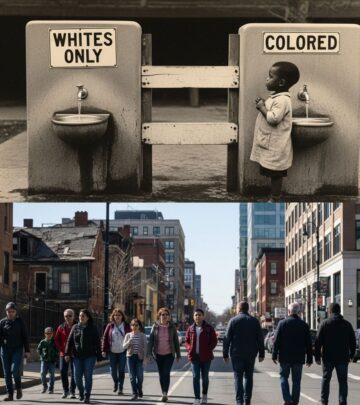
Understanding Protected Classes in Law
Explore protected classes: legal safeguards against discrimination based on race, gender, age, disability, and more in employment, housing, and beyond.

Protected classes represent specific groups of individuals safeguarded by law from discrimination based on inherent characteristics. These protections stem from federal statutes and are often expanded by state laws, ensuring fair treatment in employment, housing, education, and public services.
Core Concept of Protected Classes
A protected class refers to categories of people who receive legal protection against unfair treatment due to traits like race, gender, or disability. This framework emerged to promote equality and prevent bias in societal interactions. Federal laws set the baseline, while states add layers of coverage.
Discrimination occurs when someone faces adverse actions solely because of membership in a protected class. For instance, denying a job or housing opportunity based on ethnicity violates these protections. Laws apply to employers, landlords, schools, and businesses serving the public.
Federal Foundations of Protection
The cornerstone is Title VII of the Civil Rights Act of 1964, prohibiting employment discrimination based on race, color, religion, sex, and national origin. This applies to employers with 15 or more employees. Subsequent laws built on this: the Age Discrimination in Employment Act (ADEA) covers those 40 and older; the Americans with Disabilities Act (ADA) protects individuals with physical or mental impairments; and the Genetic Information Nondiscrimination Act (GINA) shields against bias based on genetic data.
Sex under Title VII now includes sexual orientation and gender identity following Supreme Court rulings. Pregnancy is safeguarded via the Pregnancy Discrimination Act. These laws extend beyond workplaces to federal contracts via executive orders.
Key Categories Defined
Protected characteristics vary slightly by jurisdiction but share common threads. Here’s a breakdown:
- Race and Color: Encompasses physical traits like skin tone, hair texture, or facial features linked to ancestry. Includes multi-racial individuals.
- National Origin and Ancestry: Protects based on birthplace, ethnicity, accent, or cultural heritage. Ancestry covers tribal or familial lineage.
- Religion: Covers sincerely held beliefs, practices like prayer or attire (e.g., hijabs, beards), and non-belief systems like atheism.
- Sex and Gender: Includes pregnancy, childbirth, gender identity, expression, and sexual orientation.
- Age: Typically 40+ in employment under ADEA.
- Disability: Substantial limitations on major life activities, even if episodic, including HIV/AIDS.
- Veteran and Military Status: Special categories like disabled or wartime veterans under VEVRAA.
- Genetic Information and Medical Conditions: Prohibits use of family medical history or conditions like cancer.
These definitions ensure broad coverage, adapting to societal changes.
State-Level Expansions
While federal law provides minimum standards, states enhance protections. California lists marital status, medical conditions, and family care leave requests. Ohio includes HIV/AIDS status and ethnicity explicitly. Massachusetts emphasizes racial stereotypes.
This patchwork means protections differ by location. For example, some states cover political affiliation or socioeconomic status, absent federally. Employers and businesses must comply with the strictest applicable law.
| Category | Federal Protection | Example State Addition |
|---|---|---|
| Race/Color | Title VII | Ethnic intimidation (Ohio) |
| Disability | ADA | Genetic characteristics (CA) |
| Sex/Gender | Title VII | Gender expression (CA) |
| Age | ADEA (40+) | Broader in some locales |
Applications Across Life Sectors
Employment: Covers hiring, firing, pay, promotions, and harassment. Prohibited practices include biased ads, segregated roles, or tests disadvantaging groups. Being in a protected class doesn’t immunize poor performance; nexus to the trait is key.
Housing: Fair Housing Act mirrors Title VII, banning denial of rentals or loans based on race, disability, family status, etc.
Education: Institutions can’t discriminate in admissions or services.
Public Accommodations: Businesses like restaurants must serve all equally.
Retaliation against complainants is also illegal, broadening enforcement.
Proving Discrimination Claims
Victims must show adverse action linked to protected status. Direct evidence like slurs helps; circumstantial cases use comparators (e.g., similarly situated non-protected treated better). EEOC handles federal claims; state agencies mirror this.
Defenses include bona fide occupational qualifications (rarely upheld) or business necessity. Documentation is crucial for employers.
Evolving Landscape and Challenges
Protections expand with culture. Recent inclusions: gender identity via Bostock v. Clayton County. Emerging debates cover AI bias in hiring or intersectionality (multiple traits overlapping).
Challenges persist: subtle bias (microaggressions), enforcement gaps in small businesses, and varying state standards. Training and compliance audits mitigate risks.
Frequently Asked Questions (FAQs)
What qualifies as a protected class?
Groups defined by law like race, age (40+), disability, receiving anti-discrimination safeguards.
Does every trait make someone protected?
No; only legislated classes. Political views often aren’t federally protected.
Can small businesses discriminate?
No, if over 15 employees for Title VII; state laws may cover smaller.
What if discrimination is performance-based?
Valid if unrelated to protected trait; pretext claims require proof.
How do states differ from federal law?
States add categories like marital status; must follow the stricter rule.
Practical Steps for Compliance
Organizations should:
- Conduct bias training.
- Implement neutral policies.
- Document decisions.
- Respond promptly to complaints.
Individuals facing bias: document, report to HR/EEOC, seek legal advice.
Protected classes foster inclusive societies, reducing inequality. Awareness empowers enforcement.
References
- Protected Class Definitions — Civil Rights Compliance Office, Ohio State University. 2023. https://civilrights.osu.edu/training-and-education/protected-class-definitions
- Protected group — Wikipedia. Accessed 2026. https://en.wikipedia.org/wiki/Protected_group
- protected class — Legal Information Institute, Cornell Law School. Accessed 2026. https://www.law.cornell.edu/wex/protected_class
- What Is a Protected Class in Discrimination Law? — Super Lawyers. 2023. https://www.superlawyers.com/resources/discrimination/what-is-a-protected-class-in-discrimination-law/
- Basic Law- What is a protected class and how do I know if I’m in one? — Cutler Legal. Accessed 2026. https://www.cutlerlegal.com/articles/basic-law-what-is-a-protected-class-and-how-do-i-know-if-im-in-one
- What is a Protected Class in the Workplace? — The Noble Law Firm. 2025-05. https://www.thenoblelaw.com/blog/2025/may/what-is-a-protected-class-in-the-workplace-/
- Protected Classes — California State Senate. Accessed 2026. https://www.senate.ca.gov/protected-classes
Similar Articles







Read full bio of medha deb