Unlocking True Inner Strength: 8 Key Traits
Discover the profound qualities that define genuine inner power, helping you thrive amid life's toughest challenges with grace and resilience.
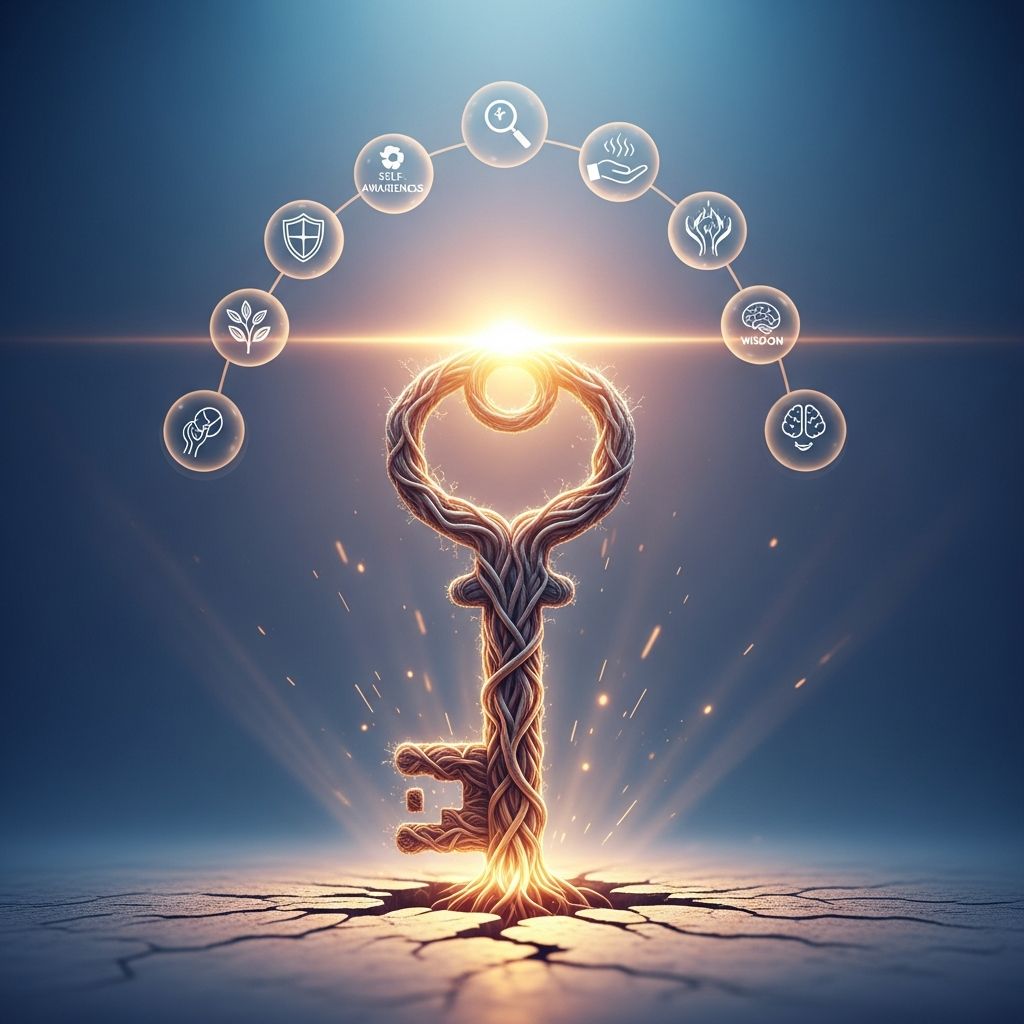
True strength goes beyond physical prowess or outward displays of power. It manifests in quiet resilience, emotional flexibility, and the capacity to navigate life’s uncertainties with poise. Drawing from positive psychology frameworks, this article delves into eight defining traits that cultivate profound inner fortitude, enabling individuals to face adversity, foster meaningful connections, and pursue purposeful lives.
Understanding the Foundations of Inner Strength
Positive psychology identifies core virtues like courage, temperance, and transcendence as universal pillars of human excellence. These virtues underpin 24 character strengths, including bravery, perseverance, and gratitude, which are present across cultures and essential for thriving. Unlike fleeting motivation, true strength involves adaptability, endurance, and steadfastness—qualities that allow people to endure setbacks while maintaining effectiveness.
Emotionally strong individuals prioritize flexibility over rigidity, bending rather than breaking under pressure. They recognize that perfectionism hinders progress, opting instead for ‘good enough’ to move forward decisively. This mindset shifts focus from control to constructive action, laying the groundwork for the traits explored below.
Trait 1: Embracing Vulnerability as a Pillar of Courage
Vulnerability often carries a stigma of weakness, yet it demands immense courage to share authentic emotions and experiences. Those with true strength commit to openness, forging deeper connections and gaining clarity about their inner world. This aligns with positive psychology’s courage virtue, where bravery entails acting despite fear or difficulty.
By voicing struggles honestly, individuals invite empathy and support, transforming isolation into communal strength. Research highlights how such authenticity enhances relationships and personal insight, proving vulnerability as a hallmark of emotional maturity.
Trait 2: Cultivating Acceptance and Gratitude
Strength shines in appreciating what exists rather than fixating on lacks. Emotionally resilient people practice acceptance, savoring current blessings amid chaos. Gratitude, a transcendence strength, fosters awareness of life’s positives, buffering against negativity.
- Daily reflection on three appreciations rewires the brain for optimism.
- Acknowledging imperfections reduces stress and boosts contentment.
- Focusing on gains from challenges reframes setbacks as growth opportunities.
This trait prevents rumination, directing energy toward actionable positivity.
Trait 3: Prioritizing Self-Care for Sustained Resilience
No one conquers challenges while depleted. True strength requires intentional self-care—nourishing the body, mind, and spirit to weather storms. Strong individuals monitor their well-being, ensuring adequate rest, nutrition, and stress management.
Self-regulation, under temperance, involves disciplined impulse control and emotional balance. Regular practices like mindfulness or exercise build a reservoir of endurance, making one dependable in crises.
Trait 4: Focusing on Solutions Over Problems
Problems arise inevitably, but dwelling paralyzes. Those embodying strength pivot to solutions, assessing facts and devising paths forward. This solution-oriented approach embodies prudence—careful planning to achieve goals without excess risk.
| Problem-Focused Mindset | Solution-Focused Mindset |
|---|---|
| Emphasizes obstacles and blame | Identifies actionable steps |
| Leads to frustration | Promotes progress and empowerment |
| Ignores opportunities | Leverages strengths for innovation |
Adopting this trait accelerates recovery and innovation.
Trait 5: Harnessing Personal Strengths Effectively
Rather than lamenting weaknesses, resilient people amplify their innate talents. Positive psychology’s Realise2 model categorizes strengths into realised (high energy/performance), unrealised (underused gems), learned behaviors, and weaknesses. Maximizing realised and unrealised strengths while minimizing weaknesses optimizes performance.
- Realised strengths: Deploy in ideal contexts for peak flow.
- Unrealised strengths: Seek outlets to unleash hidden potential.
- Learned behaviors: Use sparingly to avoid burnout.
Signature strengths like curiosity or perseverance, when identified via tools like VIA surveys, guide purposeful application.
Trait 6: Seeking Deeper Meaning in Adversity
Strength involves transcending immediate pain to discern broader purpose. Resilient individuals extract lessons from trials, viewing them as catalysts for growth. Purpose, a transcendence strength, connects personal efforts to something greater.
This perspective fosters optimism—expecting positive futures through proactive effort. By asking ‘What can I learn?’ setbacks become stepping stones.
Trait 7: Adapting Fluidly to Change
Change is life’s constant; rigid resistance invites fracture. True strength lies in embracing flux, recognizing its inevitability while honoring transition pains. Open-mindedness and curiosity facilitate exploration of new realities.
Perseverance ensures completion despite obstacles, blending flexibility with determination. Those who adapt thrive, turning upheaval into evolution.
Trait 8: Demonstrating Humility and Quiet Confidence
Ostentatious power fades; quiet, steady service endures. Humility lets actions speak, avoiding the spotlight while valuing others. This trait, paired with empathy, builds trust and communal bonds.
Quiet confidence stems from self-awareness, not ego—steady perseverance in service. It proves strength through consistency, not volume.
Practical Steps to Develop These Traits
Building inner strength is deliberate. Start with self-assessment: Journal signature strengths and track usage. Integrate daily habits like gratitude journaling or vulnerability shares.
- Identify top strengths via free VIA survey.
- Practice one trait weekly, e.g., solution-mapping for issues.
- Surround with supportive networks for accountability.
- Reflect monthly on progress and adjustments.
Consistency compounds; over time, these traits become instinctive.
Common Myths About Strength Debunked
| Myth | Reality |
|---|---|
| Strength means never showing emotion | Vulnerability deepens connections and clarity |
| Perfection equals power | Progress over perfection drives resilience |
| Strength ignores weaknesses | Strategic focus on strengths maximizes impact |
Frequently Asked Questions (FAQs)
How do I identify my core strengths?
Use validated tools like the VIA Character Strengths Survey, which categorizes 24 strengths under six virtues for personalized insights.
Can anyone develop true strength?
Yes—strengths are cultivable through practice. Positive psychology emphasizes growth mindsets, turning unrealised potentials into realised assets.
What role does failure play in building strength?
Failure offers growth opportunities. Resilient people reframe it via perseverance and perspective, extracting meaning for future success.
How does self-care contribute to emotional strength?
It equips you with resources to handle stress, embodying self-control and prudence for sustained performance.
Why is embracing change crucial?
Life’s unpredictability demands adaptability; those who bend endure, leveraging curiosity to navigate transitions effectively.
Mastering these traits transforms challenges into triumphs. Inner strength isn’t innate—it’s forged through mindful cultivation, yielding a life of depth, connection, and unshakeable poise.
References
- 10 Characteristics of Emotionally Strong People — Mind Pump Media. 2023. https://www.mindpumpmedia.com/blog/10-characteristics-of-emotionally-strong-people
- Positive Psychology’s Character Strengths — The Positivity Project. 2024-01-15. https://posproject.org/character-strengths/
- The Concept of Strengths within Positive Psychology — Positive Psychology Network. 2023-05-10. https://ppnetwork.org/concept-strengths-within-positive-psychology/
- Discover Your Signature Strengths — VIA Character. 2024. https://www.viacharacter.org/topics/articles/what-are-your-signature-strengths
- Personal Strengths Defined (+ List of Strengths) — PositivePsychology.com. 2025-03-20. https://positivepsychology.com/what-are-your-strengths/
Similar Articles








Read full bio of medha deb